Analyzing the Principles of Green Building
The concept of green building has undergone significant transformations since its inception, evolving into a critical component of contemporary architectural practices. This evolution is marked by a growing awareness of environmental issues and the need for sustainable development.

17 min read
The concept of green building has gained significant attention in recent years due to its potential to reduce environmental impact and improve the quality of life for occupants. As the world grapples with climate change and resource depletion, sustainable architecture has become a critical component of modern construction.
The importance of analyzing sustainable architecture lies in its ability to minimize the ecological footprint of buildings while enhancing their functionality and aesthetic appeal. This involves adopting design principles that prioritize energy efficiency, water conservation, and the use of environmentally friendly materials.
Key Takeaways
- Understanding the importance of green building in modern architecture.
- Recognizing the role of sustainable design in reducing environmental impact.
- Identifying key principles of green building, such as energy efficiency and water conservation.
- Adopting environmentally friendly materials and practices in construction.
- Enhancing building functionality and aesthetic appeal through sustainable design.
The Evolution of Green Building in Modern Architecture
The concept of green building has undergone significant transformations since its inception, evolving into a critical component of contemporary architectural practices. This evolution is marked by a growing awareness of environmental issues and the need for sustainable development.
Historical Development of Sustainable Construction
The roots of green building can be traced back to the 1970s energy crisis, which prompted architects to explore alternative building methods that were more energy-efficient. Over the years, sustainable construction has evolved, incorporating new materials, technologies, and design principles that minimize environmental impact.
The historical development of green building is characterized by several key milestones, including the introduction of energy-efficient systems, the use of recycled materials, and the incorporation of natural elements into building design.
| Period | Key Developments |
|---|---|
| 1970s | Energy crisis prompts exploration of energy-efficient building methods |
| 1990s | Introduction of green building certifications and rating systems |
| 2000s | Increased focus on sustainable materials and technologies |
Eco-conscious design has become increasingly important in modern architecture due to growing concerns about climate change, resource depletion, and environmental degradation. Buildings designed with eco-conscious principles not only reduce their environmental footprint but also provide healthier spaces for occupants.
The importance of eco-conscious design is reflected in current green building trends, which prioritize energy efficiency, water conservation, and the use of sustainable materials.
Fundamental Green Building Principles
The core of sustainable architecture lies in its fundamental principles, which guide the development of eco-friendly buildings. These principles are designed to reduce the environmental impact of construction projects while promoting energy efficiency, water conservation, and the use of sustainable materials.
Energy Efficiency and Conservation
Energy efficiency is a critical component of green building. It involves reducing energy consumption through various strategies.
Minimizing Energy Consumption
One of the primary ways to achieve energy efficiency is by minimizing energy consumption. This can be done through the use of energy-efficient appliances, optimizing building orientation, and improving insulation.
Maximizing Renewable Energy Sources
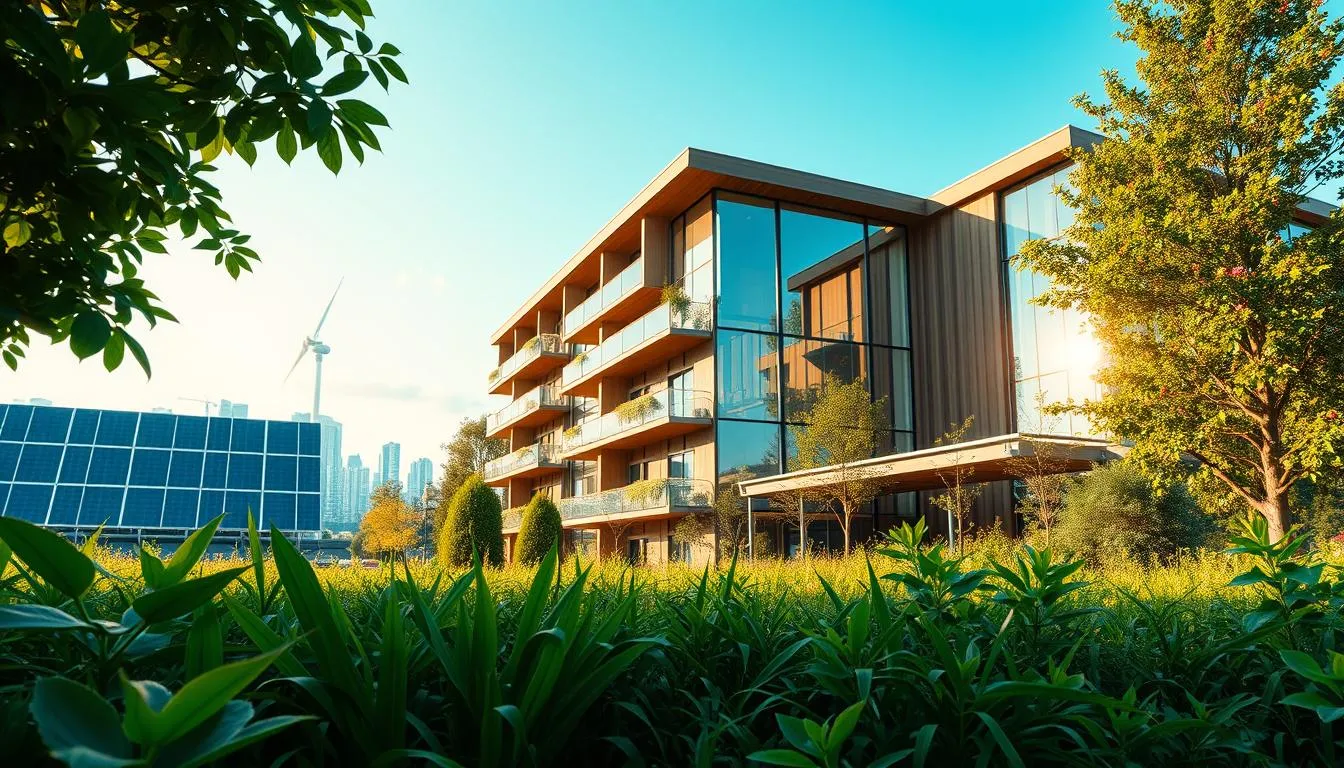
In addition to reducing consumption, green buildings can maximize the use of renewable energy sources such as solar, wind, and geothermal energy. This not only reduces reliance on fossil fuels but also decreases the carbon footprint of the building.
Water Conservation and Management
Water conservation is another vital principle of green building. It involves implementing strategies to reduce water usage and manage water resources effectively. Techniques include using low-flow fixtures, rainwater harvesting systems, and greywater recycling.
“Water conservation is crucial for sustainable development. By adopting efficient water management practices, we can significantly reduce the strain on our water resources.”
John Doe, Sustainability Expert
Sustainable Materials and Resource Efficiency
The use of sustainable materials is essential in green building. This includes selecting materials that are recycled, recyclable, or sustainably sourced. Resource efficiency is also about minimizing waste during construction and ensuring that materials are used effectively throughout the building’s lifecycle.
- Using locally sourced materials to reduce transportation emissions.
- Selecting materials with low embodied energy.
- Implementing recycling programs for construction waste.
By adhering to these fundamental green building principles, architects and builders can create structures that are not only environmentally friendly but also economically viable and socially responsible.
Site Selection and Environmental Planning
Green building begins with careful site selection and environmental planning. This initial phase is crucial for setting the tone for the entire project’s sustainability.
Effective site selection involves a thorough analysis of the land’s ecological value and potential environmental impacts. It’s not just about finding a plot of land; it’s about understanding how that land interacts with its surroundings and how it can be used to minimize the project’s footprint.
Evaluating and Minimizing Environmental Impact
To evaluate the environmental impact, developers must consider factors such as:
- Existing ecosystems and biodiversity
- Water sources and drainage patterns
- Soil quality and potential for erosion
By understanding these elements, developers can make informed decisions that minimize harm to the environment. Strategies such as preserving natural habitats, implementing erosion control measures, and optimizing land use can significantly reduce the project’s overall environmental impact.
Optimizing Land Use and Preserving Ecosystems
Optimizing land use is about maximizing the efficiency of the land while preserving its natural ecosystems. This can involve:
- Designing buildings that work with the natural terrain
- Preserving existing vegetation and natural features
- Creating green spaces that support local wildlife
By adopting these strategies, developers can not only reduce the environmental footprint of their projects but also create more sustainable and resilient buildings.
Energy-Efficient Design and Building Systems
The integration of energy-efficient design and building systems is a cornerstone of modern green building principles. As buildings account for a significant portion of global energy consumption, adopting energy-efficient strategies is crucial for reducing their environmental footprint. Effective energy-efficient design not only lowers energy costs but also enhances the comfort and productivity of occupants.
Passive Solar Design Strategies
Passive solar design leverages the natural heating and cooling potential of the sun, thereby reducing the need for mechanical systems. Techniques include optimizing building orientation, using thermal mass to absorb and release heat, and incorporating shading devices to prevent overheating. By implementing these strategies, buildings can significantly lower their energy demands. For more information on implementing green building principles, visit EcoFlow’s guide on green building principles.
High-Performance Building Envelopes
A high-performance building envelope is critical for minimizing heat loss in the winter and heat gain in the summer. This involves using advanced materials and techniques such as high-insulation windows, air-tight construction, and reflective roofing. A well-designed envelope can drastically reduce the energy required for heating and cooling, making the building more comfortable and sustainable.
Renewable Energy Integration Methods
Integrating renewable energy systems into building design is a key aspect of energy-efficient buildings. Solar photovoltaic (PV) systems, wind turbines, and geothermal energy systems are among the technologies used to generate clean energy on-site. By harnessing renewable energy, buildings can reduce their reliance on fossil fuels, lowering their carbon footprint and energy costs.
As emphasized by experts, “Energy efficiency is not just about using less energy; it’s about using energy more intelligently.” By incorporating these energy-efficient design strategies and building systems, we can create buildings that are not only environmentally friendly but also economically viable and comfortable for occupants.
Water Conservation Strategies in Green Construction
Analyzing sustainable architecture reveals that water conservation is a key element in the design and operation of green buildings. Effective water conservation strategies are crucial in reducing the environmental impact of construction projects. By implementing efficient systems and technologies, builders can significantly minimize water waste and promote sustainability.
Efficient Plumbing Systems and Fixtures
One of the primary methods of conserving water in green construction is through the use of efficient plumbing systems and fixtures. Low-flow showerheads and toilets are examples of fixtures that reduce water consumption without compromising performance. Additionally, dual-flush toilets offer a significant reduction in water usage by providing two different flush options.
Rainwater Harvesting and Greywater Recycling Systems
Rainwater harvesting and greywater recycling systems are innovative strategies for water conservation. Rainwater harvesting involves collecting and storing rainwater for non-potable uses such as flushing toilets or irrigation. Greywater recycling systems treat and reuse water from sinks, showers, and washing machines, further reducing the demand on potable water supplies.
| Water Conservation Method | Description | Water Savings |
|---|---|---|
| Efficient Plumbing Fixtures | Low-flow showerheads and toilets | Up to 30% |
| Rainwater Harvesting | Collection and storage of rainwater | Up to 25% |
| Greywater Recycling | Treatment and reuse of greywater | Up to 50% |
Indoor environmental quality plays a significant role in determining occupant wellbeing in green buildings. A well-designed indoor environment can boost productivity, improve health, and enhance overall occupant satisfaction. According to a study on indoor environmental quality and health outcomes, there is a significant correlation between indoor air quality and occupant health indoor environmental quality research.
Air Quality Management and Ventilation
Effective air quality management is crucial for maintaining a healthy indoor environment. This involves implementing proper ventilation systems that can remove pollutants and maintain optimal indoor air quality. Strategies include using high-efficiency air filters and designing ventilation systems that meet or exceed local building codes.
Natural Lighting and Biophilic Design Elements
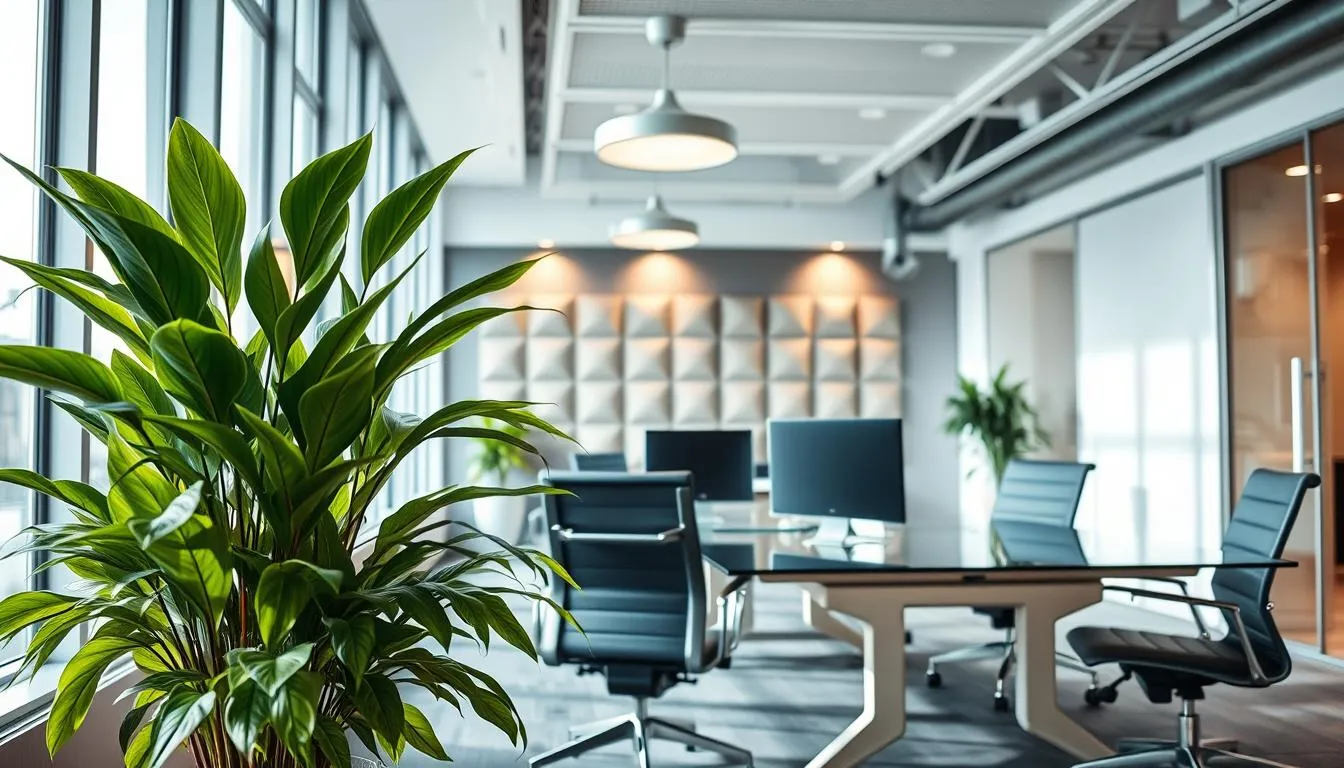
Natural lighting and biophilic design elements are essential for creating a welcoming and healthy indoor space. Incorporating large windows, skylights, and light shelves can enhance natural lighting. Biophilic design elements, such as green walls and indoor plants, not only improve aesthetics but also contribute to occupant wellbeing.
Non-Toxic Materials and Healthy Interiors
Using non-toxic materials is vital for maintaining a healthy indoor environment. This includes selecting materials with low VOC (Volatile Organic Compound) emissions and avoiding materials that contain hazardous chemicals. Some key strategies include specifying low-VOC paints and adhesives, and choosing sustainable flooring options like hardwood or bamboo.
By focusing on these aspects, architects and builders can create indoor environments that support occupant health and wellbeing, aligning with the principles of green building.
Implementing Green Building Principles in Different Structures
Green building principles are versatile and can be integrated into various building types, promoting eco-friendly practices. The application of these principles can significantly reduce environmental impact while enhancing the quality of buildings.
Residential Green Building Applications
Residential buildings can greatly benefit from green building principles. Strategies for single-family homes include:
- Using energy-efficient appliances and lighting
- Incorporating renewable energy sources like solar panels
- Implementing rainwater harvesting systems
Single-Family Home Strategies
For single-family homes, energy-efficient design and the use of sustainable materials are key strategies. This includes proper insulation and the use of materials with low embodied energy.
Multi-Family Building Approaches
Multi-family buildings can benefit from shared green spaces and centralized renewable energy systems. Efficient waste management systems are also crucial in these settings.
Commercial and Institutional Implementation
Commercial and institutional buildings, such as offices and schools, can implement green building principles by focusing on energy efficiency and indoor air quality. For more information on green building programs, visit the Federal Center for Green Buildings.
- Using LED lighting and smart building technologies
- Incorporating green roofs and walls for insulation and aesthetics
Retrofitting Existing Buildings for Sustainability
Retrofitting existing buildings is a cost-effective way to achieve sustainability. This can involve upgrading to energy-efficient systems, improving insulation, and using sustainable materials for renovations.
| Retrofitting Strategy | Benefits |
|---|---|
| Energy-efficient upgrades | Reduced energy consumption |
| Sustainable material use | Lower environmental impact |
The growing importance of eco-friendly buildings has led to the development of various green building rating systems worldwide. These systems provide a framework for evaluating and certifying buildings based on their environmental performance and sustainability features.
LEED Certification Framework and Requirements
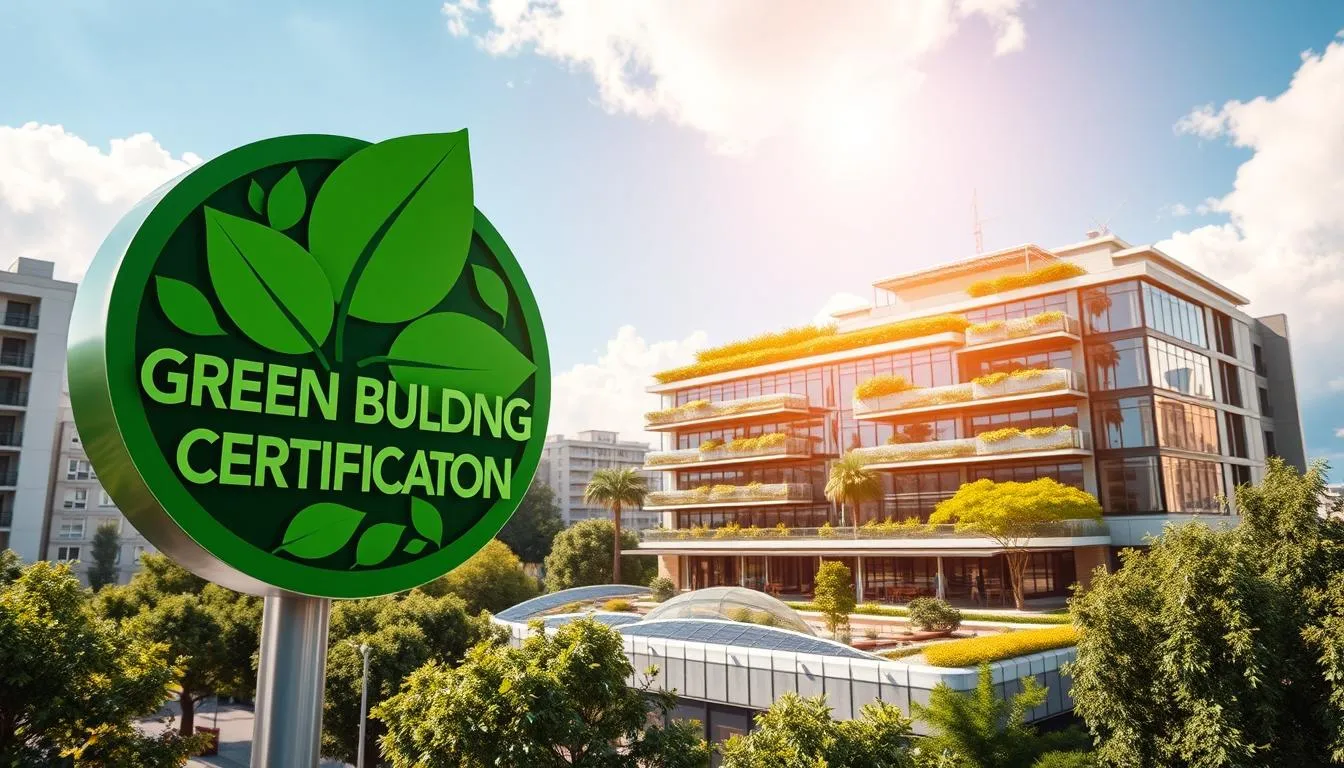
One of the most widely recognized green building certification systems is the Leadership in Energy and Environmental Design (LEED) program. Developed by the U.S. Green Building Council (USGBC), LEED provides a comprehensive framework for assessing a building’s sustainability across various categories, including energy efficiency, water conservation, and indoor environmental quality.
To achieve LEED certification, projects must meet specific prerequisites and earn a certain number of points based on their performance in different areas. The certification levels range from Certified to Platinum, with higher levels indicating greater environmental benefits.
LEED Certification Levels:
- Certified: 40-49 points
- Silver: 50-59 points
- Gold: 60-79 points
- Platinum: 80+ points
Alternative Green Building Standards and Certifications
While LEED is a prominent green building rating system, other alternatives are also gaining recognition. For instance, the Green Building Certification Systems provide a comprehensive overview of various international standards.
Some notable alternative certifications include:
| Certification | Description | Focus Area |
|---|---|---|
| WELL Building Standard | Focuses on occupant health and wellbeing | Indoor Environmental Quality |
| Passive House | Emphasizes energy efficiency and thermal comfort | Energy Performance |
| Green Globes | Provides a comprehensive assessment of sustainability | Multiple Categories |
USGBC
As the demand for sustainable construction continues to grow, understanding and leveraging these certification systems will be crucial for professionals in the industry. By adopting green building practices and pursuing recognized certifications, stakeholders can contribute to a more sustainable future while enhancing the value and performance of their projects.
Economic Considerations of Sustainable Construction
The economic viability of sustainable construction is a critical factor in the decision-making process for developers and investors. As the demand for green buildings continues to grow, understanding the economic benefits and challenges associated with sustainable construction becomes increasingly important.
Initial Investment vs. Long-Term Return Analysis
The initial investment in sustainable construction is often higher compared to traditional building methods. However, a detailed analysis of long-term returns reveals that green buildings can offer significant cost savings through reduced energy consumption and lower maintenance costs. According to a report by the Commission for Environmental Cooperation, the long-term benefits of green buildings can outweigh the initial costs, providing a compelling case for sustainable construction.
| Cost Category | Traditional Building | Green Building |
|---|---|---|
| Initial Investment | $100 per sq. ft. | $120 per sq. ft. |
| Energy Costs (Annual) | $5 per sq. ft. | $3 per sq. ft. |
| Maintenance Costs (Annual) | $2 per sq. ft. | $1.5 per sq. ft. |
Green buildings not only offer cost savings but also enhance market value and provide competitive advantages. Studies have shown that properties with green certifications tend to have higher occupancy rates and command higher rental rates compared to non-certified properties. As noted by experts, “green buildings are becoming a benchmark for modern construction, offering a competitive edge in the real estate market.”
“The economic benefits of green buildings are multifaceted, including reduced operational costs, increased property value, and improved occupant health and productivity.”
In conclusion, while the initial investment in sustainable construction may be higher, the long-term economic benefits, including cost savings and enhanced market value, make it an attractive option for developers and investors.
Case Studies: Excellence in Green Building Design
Examining exemplary green building projects reveals innovative strategies that set new standards in sustainability. These case studies not only demonstrate the practical application of green building principles but also inspire future projects by showcasing successful designs and technologies.
Innovative Residential Projects
Residential green building has seen significant advancements, with projects incorporating cutting-edge sustainable features. For instance, the use of renewable energy systems and water conservation methods has become more prevalent. A notable example is the residential project that achieved significant energy efficiency through innovative design and material selection.
Landmark Commercial and Institutional Buildings
Commercial and institutional buildings have also embraced green building principles, often becoming landmarks in their own right. These structures not only reduce environmental impact but also provide healthy, productive spaces for occupants. As noted by experts, “Green buildings are designed to reduce the overall impact of the built environment on human health and the natural environment” (
Source: U.S. Green Building Council
). Such buildings serve as models for future development, demonstrating that sustainability and functionality can go hand-in-hand.
Conclusion: Advancing the Future of Sustainable Architecture
As the world grapples with the challenges of climate change, environmental degradation, and resource depletion, the importance of sustainable architecture cannot be overstated. By embracing green building principles, architects, builders, and homeowners can significantly reduce the environmental footprint of their projects.
The principles outlined in this article provide a comprehensive framework for designing and constructing buildings that are not only environmentally friendly but also economically viable and socially responsible. From energy-efficient design to water conservation strategies, these principles can be applied to a wide range of construction projects, from residential homes to commercial and institutional buildings.
By adopting sustainable architecture practices, we can create a built environment that is healthier, more productive, and more resilient. As the demand for sustainable buildings continues to grow, it is essential that architects, builders, and policymakers work together to advance the future of sustainable architecture, promoting a more sustainable future for generations to come.
FAQ
What are the key principles of green building?
The key principles of green building include energy efficiency, water conservation, sustainable materials, and minimizing environmental impact. These principles are crucial in reducing the environmental footprint of buildings and promoting sustainable development.
How does green building contribute to energy efficiency?
Green building contributes to energy efficiency by incorporating design elements and technologies that minimize energy consumption, such as passive solar design, high-performance building envelopes, and renewable energy systems.
What is the importance of water conservation in green building?
Water conservation is essential in green building as it reduces the demand on municipal water supplies and minimizes wastewater generation. Strategies include efficient plumbing systems, rainwater harvesting, and greywater recycling.
How can green building principles be applied to different types of structures?
Green building principles can be applied to various structures, including residential, commercial, and institutional buildings. Strategies vary depending on the building type, but the core principles remain the same, focusing on energy efficiency, water conservation, and sustainable materials.
What are the benefits of green building certification, such as LEED?
Green building certification, like LEED, offers numerous benefits, including enhanced market value, reduced operating costs, and improved occupant health and productivity. Certification also demonstrates a commitment to sustainability and environmental stewardship.
How do green buildings impact the environment and occupant wellbeing?
Green buildings positively impact the environment by reducing energy consumption, conserving water, and minimizing waste. They also enhance occupant wellbeing by providing healthy indoor environments, natural lighting, and improved air quality.
What are some current trends in green building and sustainable architecture?
Current trends in green building include the integration of renewable energy systems, biophilic design, and the use of sustainable materials. There’s also a growing focus on resilient design and adapting buildings to the impacts of climate change.
How can existing buildings be retrofitted for sustainability?
Existing buildings can be retrofitted for sustainability by upgrading to energy-efficient systems, improving insulation, and incorporating renewable energy sources. Other strategies include water conservation measures and enhancing indoor environmental quality.