Best Practices for Energy Efficiency at Home
The concept of energy efficiency is simple yet powerful, enabling individuals to save money and reduce their environmental footprint. At its core, energy efficiency involves using less energy to perform the same tasks, thereby reducing energy waste.

18 min read
Making your home more energy-efficient is not only good for the environment, but it can also save you money on your utility bills. As a homeowner, you have the power to reduce your energy consumption and create a more sustainable living space.
Simple changes, such as using LED bulbs and adjusting your daily habits, can make a significant difference. By implementing a few straightforward energy-saving strategies, you can reduce your carbon footprint and enjoy a more comfortable home.
Key Takeaways
- Simple changes can significantly reduce energy consumption
- LED bulbs are an effective way to save energy
- Daily habits play a crucial role in energy efficiency
- Reducing energy consumption saves money and benefits the environment
- A more sustainable home is achievable with straightforward strategies
Understanding Energy Efficiency Fundamentals
The concept of energy efficiency is simple yet powerful, enabling individuals to save money and reduce their environmental footprint. At its core, energy efficiency involves using less energy to perform the same tasks, thereby reducing energy waste.
What Energy Efficiency Really Means
Energy efficiency is about adopting practices and using technologies that require less energy to provide the same level of comfort, convenience, and productivity. According to the United Nations Development Programme, energy efficiency is a critical component of sustainable development, as it helps reduce greenhouse gas emissions and mitigate climate change.
The Impact of Energy Efficiency on Your Bills
One of the most significant benefits of energy efficiency is the potential to lower your energy bills. By reducing energy consumption, households can save money on their utility bills. Simple actions, such as switching to LED bulbs or adjusting thermostat settings, can lead to noticeable savings.
Environmental Benefits of Energy Conservation
Energy efficiency not only saves money but also has a positive impact on the environment. By reducing energy consumption, we can decrease our reliance on fossil fuels and lower greenhouse gas emissions, contributing to a cleaner and healthier environment. As “reducing energy waste is one of the most effective ways to combat climate change”, adopting energy-efficient practices is a crucial step towards a sustainable future.
Practical Energy Efficiency Tips for Homeowners
Simple adjustments in daily habits and home maintenance can lead to substantial energy savings. By implementing a few straightforward strategies, homeowners can make a significant impact on their energy consumption.
No-Cost Energy Saving Strategies
One of the most effective ways to save energy without spending money is by changing daily behaviors. This includes turning off lights, electronics, and appliances when not in use.
Behavioral Changes
- Turn off lights, TVs, and other electronics when not in use.
- Adjust your thermostat to use less energy for heating and cooling.
- Use natural light during the day instead of artificial lighting.
Maintenance Practices
Regular maintenance of your home’s systems can also lead to energy savings. This includes checking for leaks, maintaining your HVAC system, and ensuring that your appliances are in good working condition.
Low-Cost Improvements with Big Impact
Making some low-cost improvements can significantly enhance your home’s energy efficiency. Consider installing energy-efficient light bulbs or adding weatherstripping around doors to prevent heat loss.
For more detailed energy efficiency tips, you can visit Georgia Power’s Energy Efficiency Tips page.
Tracking Your Energy Consumption
Understanding your energy usage is crucial to identifying areas for improvement. By monitoring your energy consumption, you can make informed decisions about how to reduce your energy bills.
| Device | Average Daily Consumption (kWh) | Cost per Month ($) |
|---|---|---|
| LED Bulbs (10) | 1.5 | 2.25 |
| Refrigerator | 3.6 | 5.40 |
| Air Conditioner | 12 | 18.00 |
The kitchen is one of the most energy-intensive areas in the home, but with a few simple changes, you can significantly reduce your energy consumption. By optimizing your appliances and cooking methods, you can make a significant impact on your energy bills.
Refrigerator and Freezer Optimization
To optimize your refrigerator and freezer, ensure they are at the correct temperature settings. The ideal refrigerator temperature is between 37掳F and 40掳F, while the freezer should be at 0掳F or below. Regularly cleaning the coils and checking the door seals can also improve efficiency.
Efficient Cooking Techniques
Adopting efficient cooking techniques can significantly reduce energy consumption. Using the right-sized pots and pans for your burners, cooking with lids on, and turning off the stove a few minutes before finishing cooking can all help. Additionally, using a microwave or toaster oven for smaller meals can be more energy-efficient than using a full-sized oven.
Dishwasher and Small Appliance Management
Running a full load in your dishwasher and using the energy-saving cycle can help reduce energy consumption. For small appliances, unplugging them when not in use or using a smart power strip can eliminate standby power consumption.

- Use energy-efficient appliances
- Optimize cooking techniques
- Manage dishwasher and small appliance usage
By implementing these strategies, you can significantly reduce your kitchen’s energy consumption, contributing to a more energy-efficient home.
Bathroom and Laundry Room Efficiency
Bathroom and laundry room efficiency is key to reducing overall household energy consumption. By implementing a few simple changes, you can significantly lower your energy and water usage.
Water Heating Solutions
One of the most effective ways to improve efficiency in these rooms is by optimizing your water heating system. Consider installing a high-efficiency water heater or a tankless water heater, which can provide hot water only when needed, reducing standby heat loss.
Water-Saving Fixtures and Practices
Installing low-flow showerheads and faucets can significantly reduce water usage. Additionally, fixing leaks promptly can save both water and energy. For combined bathroom and laundry rooms, consider optimizing the space to improve efficiency further.
Energy-Efficient Laundry Habits
Doing laundry is a significant energy consumer in many households. Adopting energy-efficient laundry habits can make a big difference.
Washing Machine Best Practices
- Use cold water for washing clothes whenever possible.
- Run full loads to maximize efficiency.
- Consider using an Energy Star-rated washing machine for optimal efficiency.
Drying Alternatives
For drying clothes, consider using a clothesline or drying rack instead of a dryer. When you do use a dryer, make sure to clean the lint filter regularly to maintain efficiency.
By implementing these strategies, you can enjoy a more efficient bathroom and laundry room, contributing to overall energy savings and a more sustainable home.
Living Areas and Bedroom Energy Conservation
Energy conservation in living areas and bedrooms is crucial for reducing overall household energy consumption. By implementing a few simple strategies, you can significantly lower your energy usage and create a more sustainable living environment.
Entertainment System Power Management
One of the easiest ways to conserve energy is by managing your entertainment system’s power usage. Consider using a smart power strip to turn off devices like TVs and gaming consoles when not in use. This can help eliminate standby power consumption, which can account for up to 10% of your household energy usage. For more tips on saving energy, visit EnergySage.
Lighting Optimization
Optimizing your lighting can also make a significant impact. Use LED bulbs, which are more energy-efficient than traditional incandescent bulbs. Additionally, installing dimmer switches can help adjust lighting levels to suit different activities and moods, further reducing energy consumption.
Sleep-Friendly Energy Saving
Creating a sleep-friendly environment not only improves your sleep but can also save energy. Using blackout curtains and maintaining a cooler bedroom temperature can reduce the need for excessive lighting and heating. This approach to energy conservation enhances both your comfort and your energy efficiency.
HVAC Optimization for Maximum Efficiency
HVAC optimization is a key step in making your home more energy-efficient and comfortable. By fine-tuning your heating, ventilation, and air conditioning system, you can significantly reduce your energy consumption and lower your utility bills.
Thermostat Programming and Smart Controls
One of the simplest ways to optimize your HVAC system is by using a programmable thermostat. This allows you to adjust the temperature based on your schedule, ensuring you’re not heating or cooling your home when it’s unoccupied. Smart thermostats take this a step further by learning your preferences and adjusting the temperature accordingly.
Seasonal Maintenance Requirements
Regular maintenance is crucial for the longevity and efficiency of your HVAC system. This includes changing filters, cleaning condenser coils, and inspecting ductwork for leaks or damage. Seasonal checks can help identify potential issues before they become major problems.
Airflow Improvement Techniques
Improving airflow within your home can significantly enhance the efficiency of your HVAC system. Two key techniques include duct sealing and cleaning, and filter maintenance.
Duct Sealing and Cleaning
Leaky ducts can lead to significant energy loss. Sealing these leaks and cleaning your ducts regularly can improve airflow and reduce the strain on your HVAC system.
Filter Maintenance
Dirty filters can restrict airflow, causing your HVAC system to work harder and consume more energy. Regularly replacing or cleaning your filters can improve efficiency and indoor air quality.
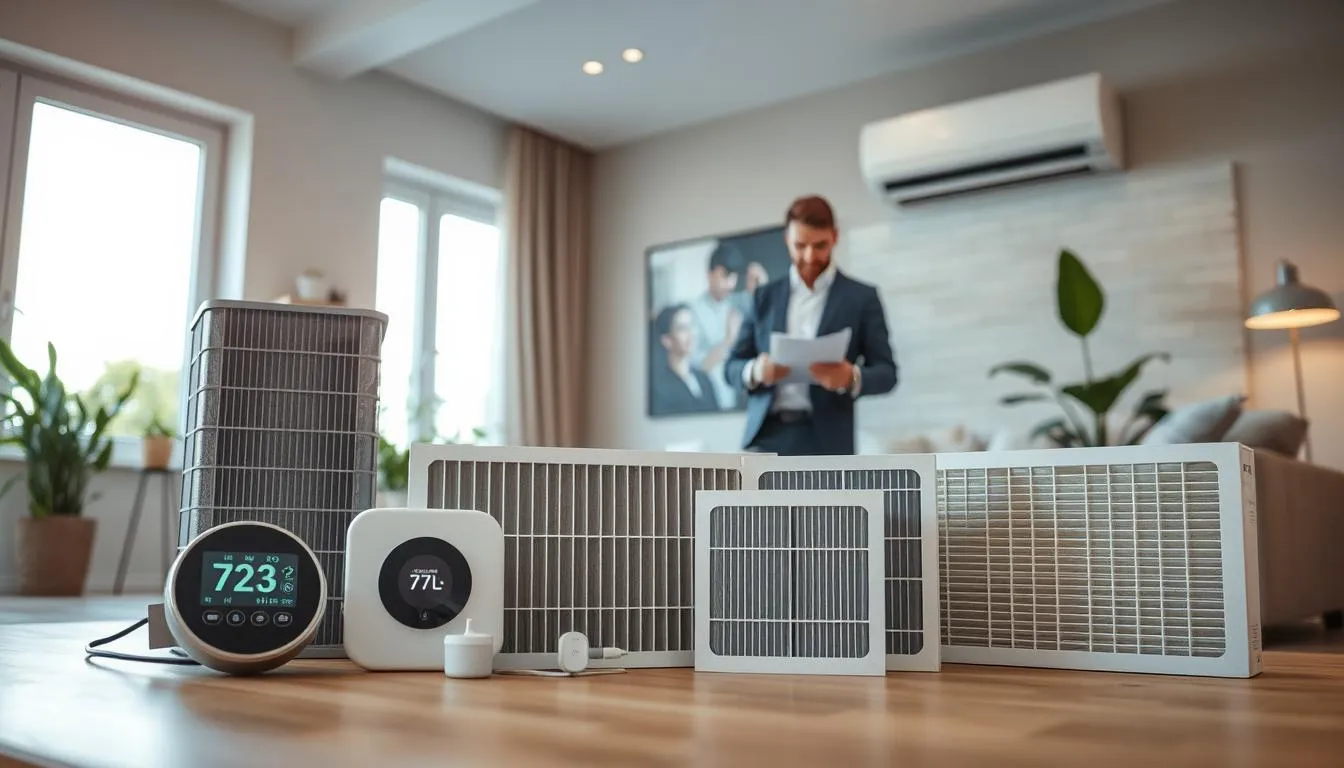
| Maintenance Task | Frequency | Benefit |
|---|---|---|
| Filter Replacement/Cleaning | Every 1-3 months | Improved Airflow and Efficiency |
| Duct Sealing and Cleaning | Every 2-5 years | Reduced Energy Loss |
| System Inspection | Annually | Early Detection of Potential Issues |
Home Insulation and Weatherproofing Essentials
Insulating your home and sealing energy leaks are among the best energy saving practices you can implement. Proper insulation helps maintain a consistent indoor temperature, reducing the need for heating and cooling. This not only saves energy but also enhances the comfort of your living space.
Identifying and Sealing Energy Leaks
Energy leaks can significantly compromise your home’s energy efficiency. Common areas where leaks occur include windows, doors, and electrical outlets. To identify leaks, you can perform a simple candle test: hold a lit candle near potential leak areas; if the flame flickers, you have a leak. Sealing these gaps with caulk or weatherstripping can make a significant difference.
- Check for gaps around windows and doors.
- Inspect electrical outlets and switch plates.
- Seal gaps with appropriate materials like caulk or weatherstripping.
DIY Insulation Projects
For homeowners looking to improve insulation, several DIY projects can be effective. Adding insulation to your attic or walls can significantly reduce energy loss. You can also use draft stoppers or door sweeps to prevent cold air from entering under doors. For more detailed guidance, resources like the Green Home Guide provide comprehensive instructions.
Professional Solutions Worth the Investment
While DIY projects can be beneficial, some situations require professional expertise. For instance, if you’re dealing with significant energy loss or complex insulation needs, hiring a professional can ensure the job is done correctly. Professionals can also provide assessments and recommendations tailored to your home’s specific needs, ensuring maximum energy efficiency.
By combining these strategies鈥攊dentifying and sealing energy leaks, undertaking DIY insulation projects, and investing in professional solutions鈥攜ou can significantly enhance your home’s energy efficiency and comfort.
Smart Home Technology for Energy Management
Energy management has taken a significant leap forward with the integration of smart home technology. This innovative approach enables homeowners to optimize their energy usage, leading to reduced energy bills and a more sustainable lifestyle.
Smart Thermostats and HVAC Controls
Smart thermostats are a cornerstone of smart home energy management. They learn your schedule and preferences to adjust the temperature accordingly, ensuring your heating and cooling systems are not wasting energy. For instance, brands like Nest and Ecobee offer advanced features like geofencing and smart alerts to enhance energy efficiency. You can explore more about smart home technologies and their benefits on Bank of America’s Better Money Habits.
Automated Lighting Systems
Automated lighting systems offer another layer of energy savings. These systems can be programmed to turn lights on or off when you leave or enter a room, or even adjust brightness based on the time of day. LED bulbs integrated with smart lighting controls can significantly reduce energy consumption.
Energy Monitoring Devices and Apps
Energy monitoring devices and apps provide real-time data on your energy usage, helping you identify areas for improvement. These tools can be invaluable in understanding your energy consumption patterns and making informed decisions to reduce waste.
Professional Energy Audits and Assessments
A professional energy audit is a crucial step towards making your home more energy-efficient. It provides a detailed analysis of your home’s energy usage, identifying areas of inefficiency and recommending improvements.
What to Expect from an Energy Audit
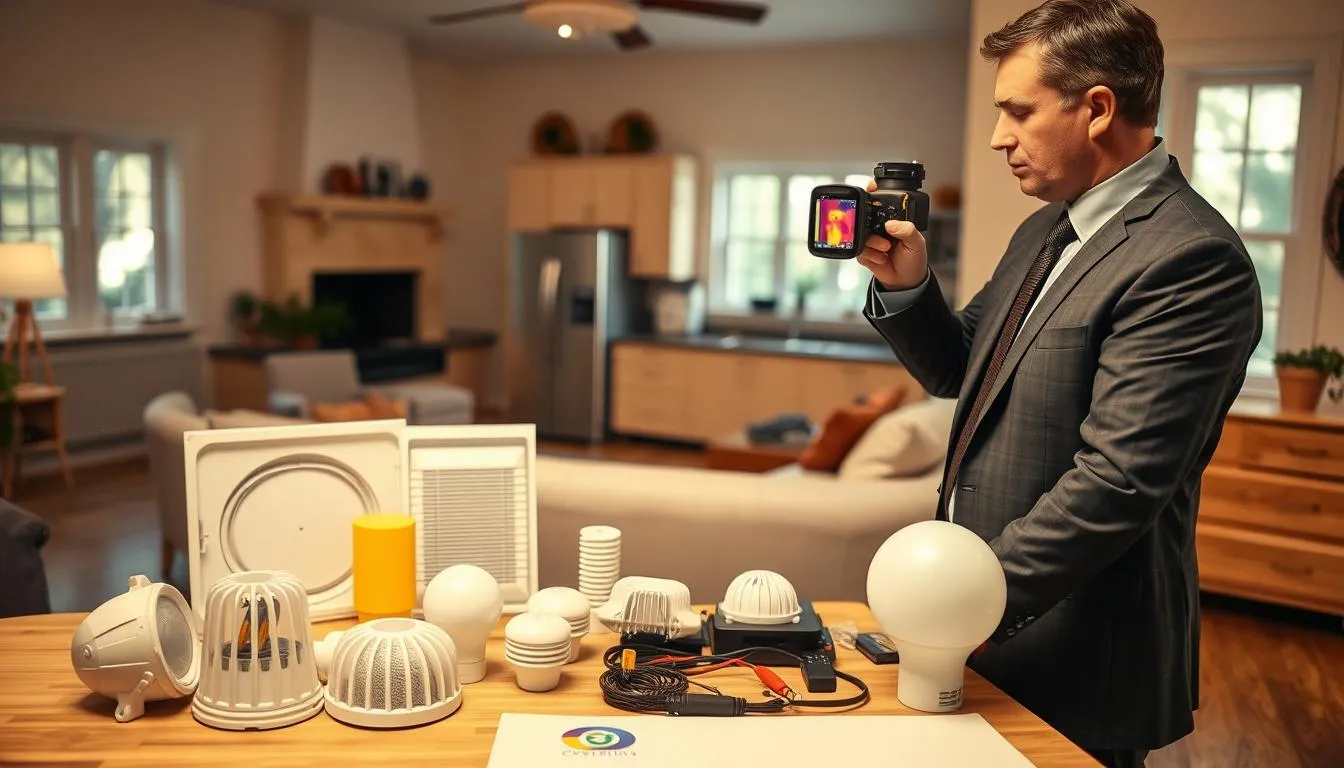
During an energy audit, a professional will assess your home’s insulation, windows, doors, and HVAC systems. They will use specialized equipment to detect energy leaks and provide a comprehensive report outlining necessary upgrades and repairs.
DIY Energy Assessment Techniques
While a professional audit is invaluable, homeowners can also conduct basic energy assessments. Checking for drafts around windows and doors, inspecting attic insulation, and monitoring energy bills are simple yet effective methods.
Implementing Audit Recommendations
After receiving the audit report, prioritize the recommended changes based on cost, impact, and urgency. Start with low-cost, high-impact improvements like sealing energy leaks and upgrading to energy-efficient lighting.
Renewable Energy Options for American Homeowners
With the growing concern over climate change, homeowners in the United States are exploring renewable energy options to reduce their carbon footprint. Renewable energy sources offer a cleaner, more sustainable alternative to traditional energy, helping homeowners save on utility bills while contributing to a healthier environment.
Solar Power Basics and Installation
Solar power is one of the most popular forms of renewable energy for homeowners. By installing solar panels, homeowners can harness the sun’s energy to power their homes. The initial investment in solar panels can be significant, but the long-term savings on energy bills and the potential increase in property value make it an attractive option.
Alternative Renewable Solutions
Beyond solar power, there are other renewable energy solutions available, such as wind turbines and geothermal energy systems. These alternatives can be particularly effective depending on the location and specific energy needs of the homeowner.
Federal and State Tax Incentives
To encourage the adoption of renewable energy, both federal and state governments offer tax incentives. For example, the federal government provides a tax credit for homeowners who install solar energy systems. Homeowners should consult with a tax professional to understand the specific incentives available in their area.
| Renewable Energy Source | Average Cost | Potential Savings |
|---|---|---|
| Solar Power | $15,000 - $25,000 | Up to 50% on energy bills |
| Wind Turbines | $20,000 - $40,000 | Up to 60% on energy bills |
Seasonal Energy Efficiency Tips for Year-Round Savings
To maximize energy savings, it’s crucial to adapt your strategies to the changing seasons. By making a few simple adjustments, homeowners can significantly reduce their energy consumption and lower their utility bills throughout the year.
Winter Energy Conservation
During the winter months, it’s essential to focus on retaining heat within your home. Ensure that your home is well-insulated, and consider using programmable thermostats to regulate the temperature. For more detailed energy-saving tips, visit our comprehensive guide on energy saving practices.
Summer Cooling Efficiency
In the summer, the goal is to keep your home cool without overusing your air conditioning. Use natural ventilation techniques, such as opening windows at night and closing them during the day, to reduce the need for mechanical cooling.
Spring and Fall Transition Strategies
During the spring and fall, take advantage of the mild temperatures to perform maintenance tasks. Check your HVAC system, inspect your insulation, and seal any air leaks to ensure your home remains energy-efficient.
| Season | Energy Efficiency Tips |
|---|---|
| Winter | Insulate your home, use programmable thermostats |
| Summer | Use natural ventilation, optimize air conditioning use |
| Spring/Fall | Maintain HVAC, check insulation, seal air leaks |
As we’ve explored throughout this article, adopting energy-efficient practices is crucial for reducing our environmental footprint and saving on utility bills. By implementing the discussed energy efficiency tips, such as optimizing your HVAC system, improving home insulation, and utilizing smart home technology, you can significantly impact your energy consumption.
Current energy efficiency methods offer a wide range of solutions, from simple changes like using energy-efficient light bulbs to more significant investments like solar panel installations. By combining these strategies, homeowners can create a more sustainable living environment.
Embracing a sustainable energy future requires a commitment to ongoing learning and adaptation. Stay informed about the latest energy-saving technologies and practices to continue optimizing your home’s energy efficiency. With these efforts, you’ll not only contribute to a healthier planet but also enjoy the benefits of lower energy costs and a more comfortable living space.
FAQ
What are some simple ways to improve energy efficiency at home?
Simple ways to improve energy efficiency include switching to LED bulbs, turning off lights and electronics when not in use, and adjusting your thermostat. You can also optimize your kitchen by using energy-efficient appliances and cooking methods, and improve your home’s insulation to reduce heat loss.
How can I reduce my energy consumption in the kitchen?
To reduce energy consumption in the kitchen, use energy-efficient appliances, such as those with the ENERGY STAR label. Optimize your cooking techniques by using the right-sized pots and pans, covering pots and pans while cooking, and turning off burners or oven elements when not in use. You can also save energy by using a microwave or toaster oven instead of a full-sized oven for small meals.
What are some effective ways to save energy in the bathroom and laundry room?
To save energy in the bathroom and laundry room, install low-flow showerheads and faucets, and consider a tankless water heater. You can also save energy by washing clothes in cold water, hanging them to dry, or using an energy-efficient dryer. Regular maintenance, such as checking for leaks and cleaning your washing machine, can also help.
How can I make my living areas and bedrooms more energy-efficient?
To make your living areas and bedrooms more energy-efficient, use energy-efficient lighting, such as LED bulbs, and turn off lights, TVs, and other electronics when not in use. You can also optimize your entertainment systems by using power strips to turn off devices when not in use, and adjusting your thermostat to a comfortable temperature.
What are some best practices for optimizing my HVAC system?
To optimize your HVAC system, regularly change your filters, seal ducts, and schedule seasonal maintenance. You can also install a smart thermostat to optimize your heating and cooling usage, and consider upgrading to a more energy-efficient HVAC system if your current one is outdated.
How can I identify and seal energy leaks in my home?
To identify energy leaks, check for gaps around windows, doors, and ducts, and use a candle or incense stick to detect air leaks. Seal energy leaks by caulking or weatherstripping around windows and doors, and using spray foam to seal gaps around ducts and other openings.
What are the benefits of using smart home technology for energy management?
Smart home technology can help you manage your energy usage more effectively by providing real-time data on your energy consumption, automating lighting and thermostat adjustments, and optimizing your HVAC system. You can also use smart home devices to monitor your energy usage remotely and receive alerts when your energy usage exceeds certain thresholds.
How can I assess my home’s energy efficiency, and what are the benefits of a professional energy audit?
You can assess your home’s energy efficiency by conducting a DIY energy audit, checking for energy leaks, and monitoring your energy usage. A professional energy audit can provide a more detailed assessment of your home’s energy efficiency, identifying areas for improvement and providing recommendations for energy-saving upgrades.
What are some renewable energy options available to American homeowners?
Renewable energy options available to American homeowners include solar power, wind power, and geothermal energy. You can also consider investing in a solar water heater or a renewable energy-based heating system. Additionally, there are federal and state tax incentives available to help offset the cost of installing renewable energy systems.
How can I save energy during different seasons?
To save energy during different seasons, adjust your thermostat to a comfortable temperature, use energy-efficient appliances, and optimize your HVAC system. In the winter, use thick curtains or drapes to keep warmth in, and in the summer, use shades or blinds to keep heat out. You can also save energy by using seasonal energy-saving strategies, such as using a programmable thermostat and adjusting your lighting usage.