Comparing Biodegradable vs. Compostable Products
The idea of biodegradability is simple yet complex, depending on various factors. At its core, biodegradability refers to the ability of a substance to break down into simpler, more natural components with the help of microorganisms like bacteria and fungi. This process is crucial in reducing the...

16 min read
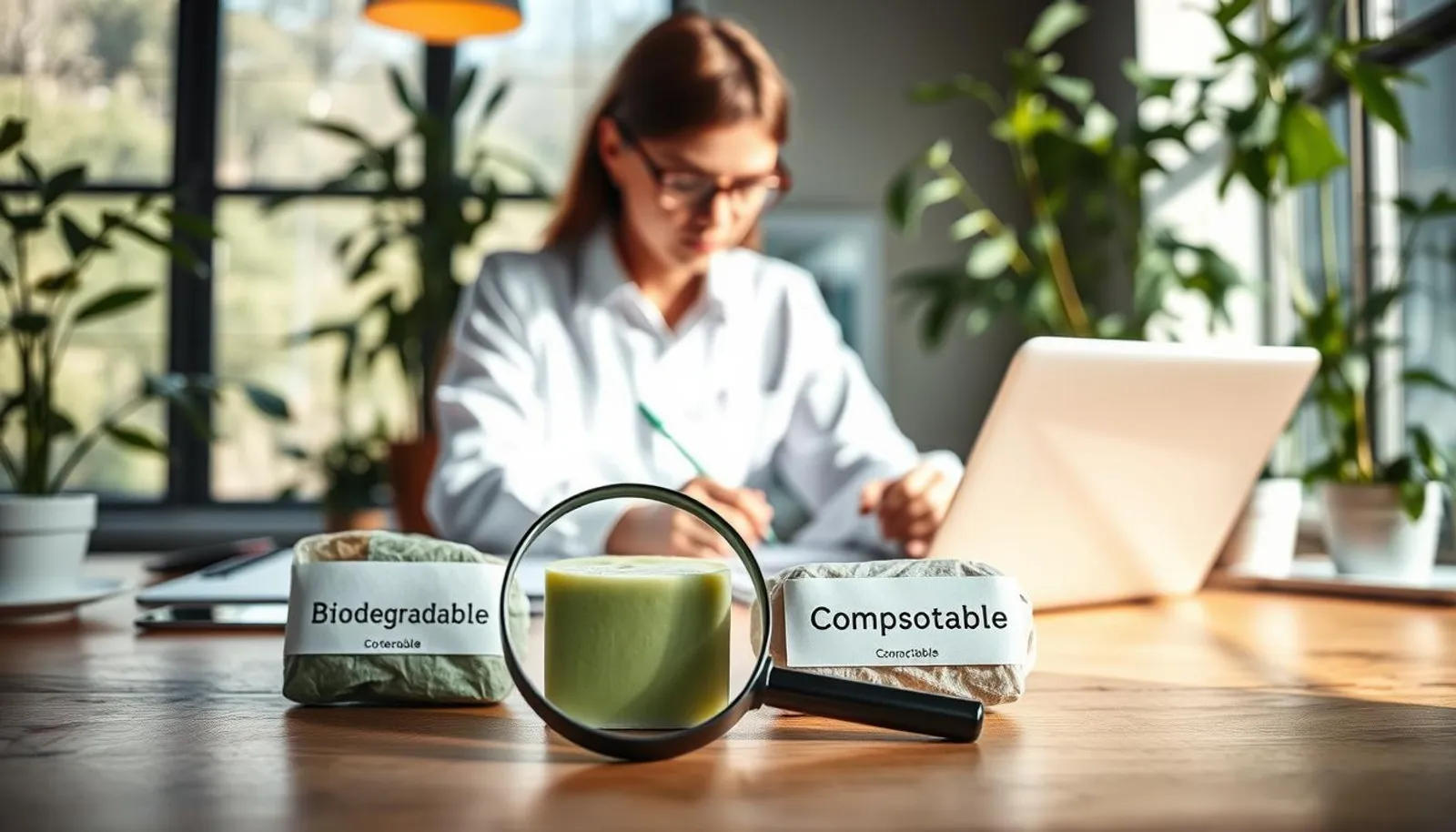
As consumers become increasingly environmentally conscious, the terms biodegradable and compostable have gained significant attention. Understanding the differences between these eco-friendly labels is crucial for making informed choices about the products we use and their impact on our planet.
The distinction between biodegradable and compostable products lies in their decomposition processes and the environments in which they break down. For a detailed analysis, let’s explore the specifics of each category. More information on this topic can be found in our in-depth comparison on sustainable product analysis.
Key Takeaways
- Biodegradable products break down naturally, but the timeframe is not specified.
- Compostable products decompose into nutrient-rich compost within a specific timeframe.
- Not all biodegradable products are compostable.
- Compostable products must meet strict standards for industrial composting.
- Understanding the difference is key to reducing environmental impact.
What Does Biodegradable Really Mean?
The idea of biodegradability is simple yet complex, depending on various factors. At its core, biodegradability refers to the ability of a substance to break down into simpler, more natural components with the help of microorganisms like bacteria and fungi. This process is crucial in reducing the environmental impact of human activities, particularly in the context of waste management.
The Science Behind Biodegradation
Biodegradation is a natural process where microorganisms decompose complex organic materials into simpler substances like carbon dioxide, water, and biomass. This process occurs through various biochemical reactions, facilitated by enzymes produced by the microorganisms. The rate and extent of biodegradation depend on factors such as temperature, moisture, oxygen availability, and the presence of microorganisms.
**
Key factors influencing biodegradation include:
- Temperature: Higher temperatures generally increase the rate of biodegradation.
- Moisture: Adequate moisture is necessary for microorganisms to thrive.
- Oxygen: The presence or absence of oxygen can significantly affect the biodegradation process.
Timeframes for Biodegradation
The timeframe for biodegradation varies widely among different materials. Understanding these timeframes is essential for managing expectations and making informed decisions about waste reduction.
Fast-Degrading Materials
Some materials, like food waste and certain bioplastics, can biodegrade relatively quickly, often within a few weeks to months under optimal conditions.
Slow-Degrading Materials
In contrast, materials such as certain plastics and synthetic materials can take years or even decades to biodegrade, depending on their composition and environmental conditions.
**The distinction between fast-degrading and slow-degrading materials highlights the importance of proper waste management and the need for more sustainable practices.
Understanding Compostable Products
With the rising awareness of environmental issues, understanding compostable products is crucial. Compostable products are designed to break down into carbon dioxide, water, and biomass within a certain timeframe, typically under composting conditions. This process not only reduces waste but also creates a valuable resource for agriculture and gardening.
Industrial vs. Home Compostable
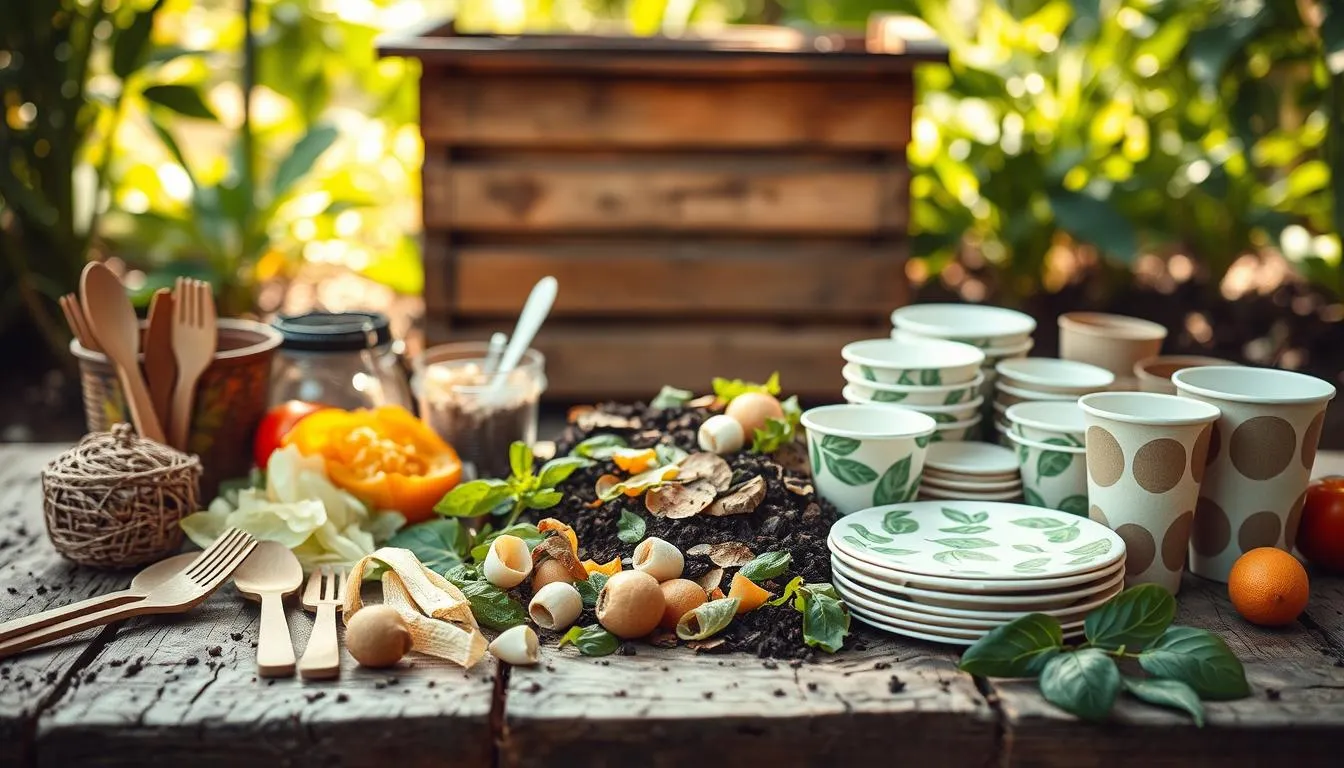
Compostable products can be categorized into industrial and home compostable items. **
Industrial compostable products** require the high temperatures and controlled conditions of industrial composting facilities to break down. In contrast, home compostable products can decompose in a backyard compost pile, although they still require certain conditions to be met, such as adequate moisture and carbon-rich materials.
Certification Standards for Compostable Items
To ensure that products are compostable, various certification standards have been established. These standards verify that products meet specific criteria for compostability.
ASTM Standards
The American Society for Testing and Materials (ASTM) provides standards for compostable products, such as ASTM D6400 for plastics. This standard requires that materials break down within 180 days in an industrial composting environment.
BPI Certification
The Biodegradable Products Institute (BPI) is a leading certification body in North America. BPI certification ensures that products meet ASTM standards for compostability, providing assurance that they can be effectively composted in industrial facilities.
Understanding these standards is essential for manufacturers to produce compostable products and for consumers to make informed choices. By choosing certified compostable products, consumers can contribute to a more sustainable waste management system.
Biodegradable vs. Compostable: Key Differences
The terms biodegradable and compostable are often used interchangeably, but they have distinct meanings that impact their environmental footprint. Understanding these differences is crucial for consumers, businesses, and policymakers aiming to reduce waste and promote sustainability.
Breakdown Process Comparison
Biodegradable products are designed to break down naturally in the environment, typically through microbial action. However, the timeframe for this breakdown can vary significantly depending on the material and environmental conditions. Compostable products, on the other hand, are engineered to decompose under specific composting conditions, usually within a few months, leaving behind nutrient-rich compost.
The key difference lies in the conditions required for their breakdown. Biodegradable materials can decompose in various environments, whereas compostable materials need controlled composting conditions to break down effectively. For more detailed information on the differences, you can visit this resource.
End-of-Life Requirements
The end-of-life requirements for biodegradable and compostable products differ significantly. Biodegradable products can often be disposed of in regular waste streams, although they may not always fully degrade in landfills due to lack of oxygen. Compostable products, however, require industrial composting facilities to break down properly. If compostable products are sent to landfills, they may not decompose as intended, potentially leading to methane production.
- Biodegradable products: Can be disposed of in regular waste, but degradation rates vary.
- Compostable products: Require industrial composting facilities for proper decomposition.
Environmental Impact Differences
The environmental impact of biodegradable and compostable products varies based on their breakdown processes and end-of-life scenarios. Biodegradable products can reduce plastic waste and potentially lower greenhouse gas emissions if they degrade aerobically. Compostable products, when composted correctly, can divert significant amounts of organic waste from landfills and produce valuable compost that enhances soil health.
In conclusion, while both biodegradable and compostable products offer environmental benefits, their differences in breakdown processes, end-of-life requirements, and environmental impacts are significant. Choosing between them depends on specific waste management infrastructure and sustainability goals.
Common Materials Used in Each Category
Understanding the materials used in biodegradable and compostable products is crucial for making informed choices about sustainability. Both categories utilize a variety of materials, each with its own set of characteristics and applications.
Popular Biodegradable Materials
Biodegradable materials are designed to break down naturally in the environment. Two of the most common types are bioplastics and natural fibers.
Bioplastics
Bioplastics are made from renewable biomass sources such as corn starch, sugarcane, or potato starch. They offer a more sustainable alternative to traditional plastics, as they can reduce dependence on fossil fuels and potentially lower greenhouse gas emissions. However, it’s essential to note that not all bioplastics are biodegradable, and their environmental impact can vary based on production processes and disposal methods.
Natural Fibers
Natural fibers, including cotton, hemp, and bamboo, are biodegradable and can be composted at the end of their life cycle. These materials are renewable, require less chemical treatment than synthetic fibers, and can significantly reduce environmental pollution. Natural fibers are used in a wide range of products, from clothing and textiles to packaging materials.
Frequently Used Compostable Materials
Compostable materials are designed to break down into nutrient-rich compost under specific conditions. Plant-based polymers and food-based materials are among the most commonly used compostable materials.
Plant-Based Polymers
Plant-based polymers are derived from renewable plant sources and are designed to be composted. These materials can replace traditional plastics in packaging and disposable products. Polylactic acid (PLA) is a common example of a plant-based polymer used in 3D printing, packaging, and disposable cutlery.
Food-Based Materials
Food-based materials, such as agricultural waste and mushroom-based composites, are innovative compostable materials. These materials can be used to create packaging, disposable tableware, and even building insulation. They offer a sustainable alternative to traditional materials and can help reduce food waste.
The following table summarizes the key characteristics of these materials:
| Material Category | Examples | Key Characteristics |
|---|---|---|
| --- | --- | --- |
| Bioplastics | Corn starch, sugarcane, potato starch | Renewable, potentially biodegradable |
| Natural Fibers | Cotton, hemp, bamboo | Biodegradable, renewable, less chemical treatment |
| Plant-Based Polymers | PLA (Polylactic acid) | Compostable, derived from renewable sources |
| Food-Based Materials | Agricultural waste, mushroom-based composites | Compostable, innovative, reduces food waste |
Environmental Impact Assessment
The environmental implications of choosing between biodegradable and compostable products are multifaceted and warrant a closer examination. As consumers increasingly opt for eco-friendly alternatives, understanding the true environmental impact of these products becomes crucial.
Carbon Footprint Comparison
A critical aspect of assessing environmental impact is comparing the carbon footprint of biodegradable versus compostable products. Research indicates that the production processes for these products can significantly influence their overall carbon footprint. For instance, a study on bioplastics found that production processes can emit varying levels of greenhouse gases (PMC9563026).
To illustrate the differences, let’s examine a comparison table:
| Product Type | Production Emissions | End-of-Life Emissions |
|---|---|---|
| --- | --- | --- |
| Biodegradable | High | Low |
| Compostable | Moderate | Negligible |
The impact of these products on land and water pollution varies. Biodegradable products, if not disposed of correctly, can contribute to litter and potentially harm aquatic life. Compostable products, on the other hand, are designed to break down in composting facilities, reducing the risk of pollution if managed properly.
Long-term Ecological Effects
Long-term ecological effects are also a consideration. Compostable products can enrich soil quality when composted correctly, whereas biodegradable products may not offer the same benefits if they do not fully break down into harmless components.
In conclusion, both biodegradable and compostable products have their environmental advantages and drawbacks. A comprehensive understanding of their impacts is essential for consumers and manufacturers alike to make informed decisions that support sustainability.
Common Product Categories and Their Sustainability
The shift towards sustainable living has led to an increased demand for eco-friendly products across various categories. As consumers become more environmentally conscious, businesses are responding by offering biodegradable and compostable alternatives in key product areas.
Food Packaging and Containers
Food packaging is one of the largest contributors to waste. Biodegradable packaging made from materials like plant-based plastics or paper products is becoming increasingly popular. Compostable containers, certified by organizations like the Compostable Products Institute (CPI), offer a viable alternative to traditional plastics. These options reduce landfill waste and minimize environmental harm.
Disposable Utensils and Dishware
Disposable utensils and dishware are commonly used in take-out and outdoor events. Biodegradable utensils made from materials such as cornstarch or sugarcane are now widely available. Compostable dishware, made from plant-based materials, provides a sustainable alternative to plastic and foam products. These options are particularly useful in settings where washing dishes is not feasible.
Bags and Storage Solutions
Bags and storage solutions are essential for daily use. Biodegradable bags made from materials like PLA (polylactic acid) or PBAT (polybutylene adipate-co-butylene terephthalate) are becoming more common. Compostable storage containers offer a sustainable option for storing food and other items, reducing reliance on single-use plastics.
Personal Care Products
The personal care industry is also shifting towards sustainability. Biodegradable personal care products, such as toothbrushes and razors, are being developed using materials like bamboo or bioplastics. Compostable packaging for personal care items is another area of growth, reducing waste and environmental impact.
| Product Category | Biodegradable Options | Compostable Options |
|---|---|---|
| --- | --- | --- |
| Food Packaging | Plant-based plastics, paper products | Certified compostable containers |
| Disposable Utensils | Cornstarch, sugarcane utensils | Plant-based compostable utensils |
| Bags and Storage | PLA, PBAT bags | Compostable storage containers |
| Personal Care | Bamboo, bioplastic products | Compostable packaging |
Consumer Confusion and Greenwashing
As consumers become more environmentally conscious, they face a new challenge: distinguishing between genuinely sustainable products and those falsely marketed as such. The terms ‘biodegradable’ and ‘compostable’ are often misused, leading to confusion among consumers who want to make eco-friendly choices.
Misleading Marketing Claims
Many companies make exaggerated or false claims about their products being biodegradable or compostable. This practice, known as greenwashing, erodes consumer trust and makes it harder for genuinely sustainable products to stand out. For instance, some products labeled as ‘biodegradable’ might only break down under specific conditions that are not typically met in real-world environments.
To combat this, consumers need to be aware of the certifications that verify a product’s sustainability claims. Understanding the differences between various eco-labels can help consumers make informed decisions.
How to Identify Truly Sustainable Products
Identifying genuinely sustainable products requires a bit of know-how. First, consumers should look beyond marketing claims and check for third-party certifications. These certifications are issued after rigorous testing and verification processes, ensuring that the product meets specific sustainability standards.
Reading Labels Correctly
When reading labels, consumers should be cautious of vague terms like ‘eco-friendly’ or ‘green.’ Instead, look for specific information about the product’s composition and how it should be disposed of. For example, a product might be labeled as ‘compostable’ but only if it’s processed in an industrial composting facility.
Third-Party Certifications to Trust
Certifications like the Biodegradable Products Institute (BPI) or Compostable Products Institute (CPI) are recognized standards for compostable products. For biodegradable products, certifications from organizations such as the International Organization for Standardization (ISO) can provide assurance. These certifications ensure that products meet rigorous standards for sustainability.
| Certification | Description | Standards |
|---|---|---|
| --- | --- | --- |
| BPI | Biodegradable Products Institute | ASTM D6400, EN 13432 |
| CPI | Compostable Products Institute | ASTM D6400 |
| ISO | International Organization for Standardization | ISO 14855 |
Making the Right Choice for Different Needs
To make an informed choice between biodegradable and compostable products, one must consider the product’s end-of-life, local composting facilities, and personal convenience. Understanding these factors can significantly impact the effectiveness of your eco-friendly choices.
When deciding between these options, it’s essential to evaluate your specific needs and circumstances. For instance, if you prioritize products that can easily decompose in various environments, you might lean towards biodegradable options. On the other hand, if you have access to industrial composting facilities, compostable products could be more suitable.
When to Choose Biodegradable Products
Biodegradable products are ideal when you need items that can break down naturally in the environment without requiring specific conditions. For example, certain packaging materials or disposable cutlery that may end up in landfills or natural environments can be made biodegradable to reduce their environmental footprint.
When Compostable Options Make More Sense
Compostable products are preferable when you have access to composting facilities, either at home or through local industrial composting programs. These products are designed to turn into nutrient-rich compost, reducing waste sent to landfills. For instance, food waste bags or compostable packaging can be effectively composted, turning waste into a valuable resource.
Considering Your Local Waste Management System
Your local waste management infrastructure plays a crucial role in determining the most effective eco-friendly choice. Check if your community has industrial composting facilities or if biodegradable products are more likely to end up in landfills. For more information on the differences between biodegradable and compostable products, you can visit this resource.
| Product Type | Ideal Conditions | End Result |
|---|---|---|
| --- | --- | --- |
| Biodegradable | Various environments | Breaks down naturally |
| Compostable | Composting facilities | Turns into compost |
Conclusion: The Future of Sustainable Products
As we move towards a more environmentally conscious future, understanding the differences between biodegradable and compostable products is crucial for making informed choices. By comparing waste reduction products and understanding eco-friendly products, consumers can significantly impact the environment.
The distinction between biodegradable and compostable products is not just about terminology; it’s about the end-of-life process for these items and their overall environmental impact. By choosing the right products for our needs, we can reduce waste and promote sustainability.
As consumers, manufacturers, and policymakers work together, the future of sustainable products looks promising. With continued education and innovation, we can create a more circular economy that benefits both people and the planet.
By embracing waste reduction products comparison and understanding eco-friendly products, we take a significant step towards a more sustainable future.
FAQ
What is the main difference between biodegradable and compostable products?
Biodegradable products break down naturally in the environment, while compostable products require specific conditions to decompose into nutrient-rich compost.
Are all biodegradable products compostable?
No, not all biodegradable products are compostable. Biodegradable products can break down into smaller pieces, but they may not necessarily become compost.
What certifications should I look for when buying compostable products?
Look for certifications like ASTM (American Society for Testing and Materials) and BPI (Biodegradable Products Institute), which ensure that products meet specific compostability standards.
Can I compost biodegradable plastics at home?
It’s not recommended to compost biodegradable plastics at home, as they often require industrial composting facilities to break down properly.
How do I know if a product is truly biodegradable or compostable?
Check the product label for certifications, read reviews, and research the manufacturer’s claims to ensure that the product meets your sustainability standards.
What are some common materials used in biodegradable and compostable products?
Common materials include bioplastics, natural fibers, plant-based polymers, and food-based materials, which are used in various products such as packaging, utensils, and bags.
Can biodegradable and compostable products reduce waste and pollution?
Yes, these products can help reduce waste and pollution by breaking down naturally or becoming compost, reducing the amount of waste sent to landfills.
How do local waste management systems impact the choice between biodegradable and compostable products?
Understanding your local waste management system’s capabilities and limitations can help you make informed decisions about which type of product to choose, ensuring that your choices align with your community’s waste management practices.