Comparing Organic vs Conventional Farming
The American agricultural landscape has undergone significant transformations since its inception. From traditional farming methods to modern agricultural practices, the United States has seen a considerable shift.

18 min read
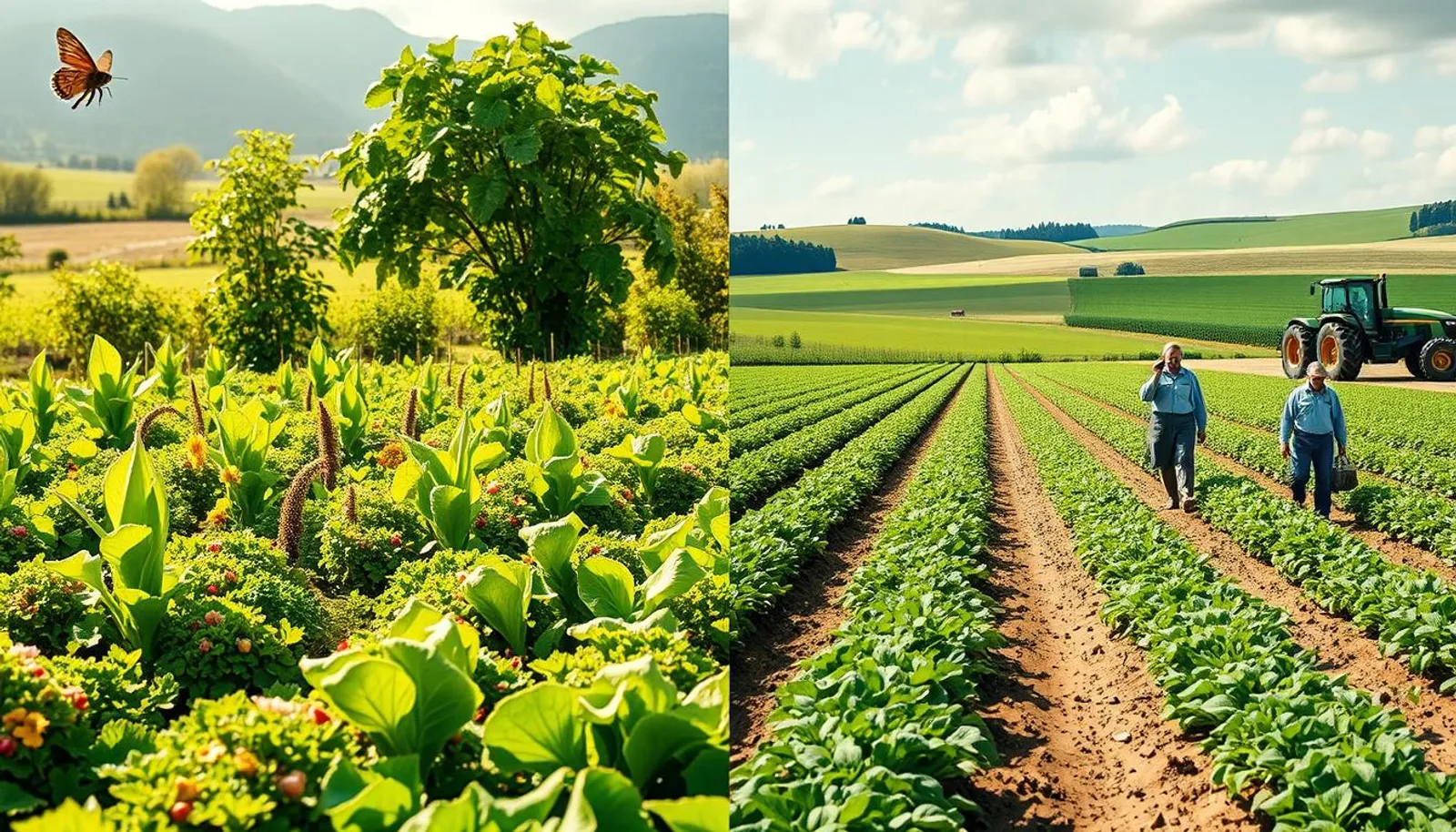
The debate between organic and conventional farming has been ongoing, with each method having its advantages and disadvantages. Organic farming avoids the use of chemical fertilizers and pesticides, instead relying on natural methods to enhance soil fertility.
A study published on the National Center for Biotechnology Information website highlights that organic farming yields may be 20-25% lower than conventional farming under experimental conditions, but can be higher under severe drought due to better soil water-holding capacity. You can read more about this study here.
Key Takeaways
- Organic farming reduces soil erosion and aquatic ecotoxicity.
- Conventional farming yields are generally higher under normal conditions.
- Organic farming promotes higher soil biodiversity.
- Organic farming can provide higher income per hectare.
- The Farm to Fork Strategy aims to increase organic farming land to 25% by 2030.
The Agricultural Landscape in America Today
The American agricultural landscape has undergone significant transformations since its inception. From traditional farming methods to modern agricultural practices, the United States has seen a considerable shift.
How Farming Has Evolved in the United States
Farming in the U.S. has evolved dramatically over the years, influenced by technological advancements, changing consumer demands, and environmental considerations.
Traditional Farming to Modern Agriculture
Traditionally, farming was labor-intensive and relied on natural methods for pest control and soil fertility. Modern agriculture, however, has adopted more mechanized and technologically advanced practices.
The Rise of Different Farming Philosophies
The rise of different farming philosophies, including organic farming, has contributed to the diverse agricultural landscape seen today. Organic farming, in particular, has gained popularity due to its focus on sustainability and environmental stewardship.
The Growing Divide Between Farming Approaches
The divide between organic and conventional farming has grown, with each side having its proponents and critics. A comparison of these approaches can be seen in the table below.
| Farming Approach | Key Characteristics | Environmental Impact |
|---|---|---|
| Organic Farming | Natural pest control, no synthetic fertilizers | Lower environmental impact, promotes biodiversity |
| Conventional Farming | Mechanized, synthetic fertilizers, and pesticides | Higher environmental impact, potential for pollution |
Understanding Organic Farming Methods
With the growing demand for organic produce, understanding the methods behind organic farming has become crucial for farmers, consumers, and policymakers alike. Organic farming is a holistic approach that prioritizes ecological balance, biodiversity, and the use of natural processes to maintain soil fertility and control pests and diseases.
USDA Organic Certification Requirements
To be labeled as “organic,” farms must adhere to the USDA Organic certification requirements. This involves a rigorous process that includes maintaining detailed records of farming practices, undergoing inspections, and ensuring that no prohibited substances (such as synthetic fertilizers or pesticides) are used.
Key requirements include:
- Maintaining soil quality through natural methods
- Using crop rotation and other conservation practices
- Implementing integrated pest management techniques
Natural Pest and Weed Management Techniques
Organic farming relies on natural methods to manage pests and weeds. This includes:
Beneficial Insects and Companion Planting
Using beneficial insects, such as ladybugs and lacewings, to control pests, and companion planting, where certain plants are grown together to deter pests or improve growth.
Mechanical and Cultural Controls
Mechanical controls, such as hand weeding and using barriers, and cultural controls, like adjusting planting times to avoid peak pest seasons, are also employed.
Building Soil Health in Organic Systems
Building and maintaining soil health is critical in organic farming. Techniques include using compost, manure, and cover crops to enhance soil fertility and structure.
“Soil is the foundation of organic farming. By enhancing its health, we not only improve crop yields but also contribute to carbon sequestration and biodiversity.” - Rodale Institute
Conventional Farming Practices Explained
Modern conventional farming practices integrate advanced technology and chemical inputs to enhance crop production and reduce labor costs. This approach to agriculture has become a significant part of the global food system, prioritizing efficiency and high yields.
Modern Industrial Agricultural Methods
Conventional farming relies heavily on industrial agricultural methods, which involve large-scale monoculture farming and the extensive use of machinery. These methods have been criticized for their environmental impact, including soil degradation and loss of biodiversity.
Synthetic Inputs and Technological Advantages
The use of synthetic inputs such as fertilizers and pesticides is a hallmark of conventional farming. These chemicals can significantly increase crop yields but also pose risks to the environment and human health.
Fertilizers and Crop Protection Products
Fertilizers provide essential nutrients to crops, promoting healthy growth and high yields. Crop protection products, including herbicides and pesticides, help control weeds and pests that could damage crops.
Genetically Modified Organisms (GMOs)
GMOs are another key component of modern conventional farming. These organisms have been genetically engineered to possess traits such as pest resistance or drought tolerance, potentially increasing yields and reducing the need for chemical pesticides.
A study on the impact of GMOs in agriculture can be found in a research paper published in the International Journal of Multidisciplinary Research here.
Maximizing Efficiency and Crop Yields
Conventional farming practices are designed to maximize efficiency and crop yields. Techniques such as precision agriculture, which uses GPS and data analytics to optimize crop management, are becoming increasingly common.
| Aspect | Conventional Farming | Organic Farming |
|---|---|---|
| Synthetic Inputs | Uses fertilizers and pesticides | Avoids synthetic chemicals |
| GMOs | Allowed | Not permitted |
| Yield Focus | High yield priority | Emphasizes sustainability |
In the world of agriculture, organic and conventional farming stand out as two prominent methods, each with its unique characteristics. As consumers become more aware of the food they eat, understanding the differences between these farming practices is crucial.
Side-by-Side Analysis of Production Methods
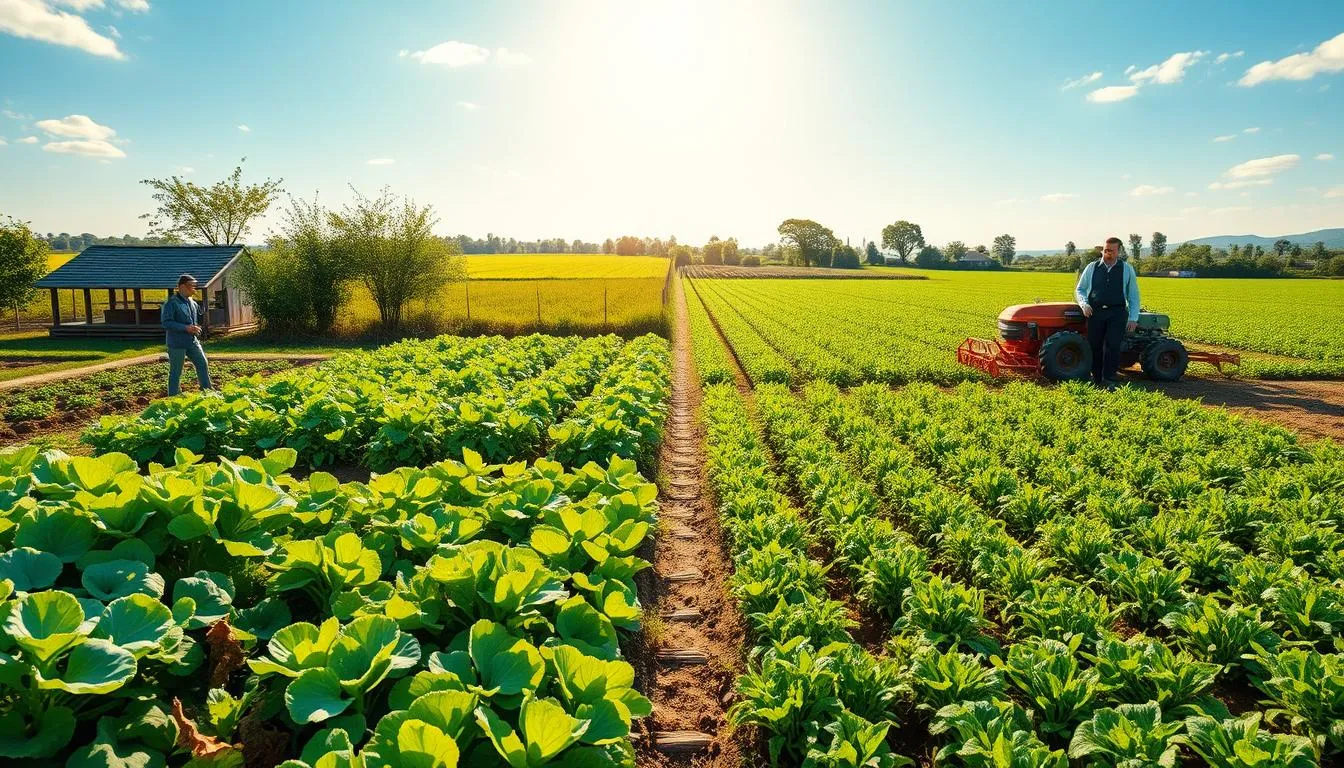
Organic farming relies on natural processes and materials, avoiding synthetic fertilizers and pesticides. In contrast, conventional farming often employs modern technology and chemical inputs to maximize yields. Organic farming focuses on building soil health through methods like crop rotation and composting, while conventional farming may use synthetic fertilizers to boost crop growth.
Resource Utilization and Efficiency Metrics
When it comes to resource utilization, organic farming tends to use more land and labor compared to conventional farming. However, organic farming often promotes biodiversity and improves soil health, which can lead to more sustainable long-term outcomes. Conventional farming, on the other hand, prioritizes efficiency and higher yields per acre, often relying on monoculture practices.
Long-term Sustainability Considerations
Long-term sustainability is a critical factor in evaluating farming practices. Organic farming methods tend to enhance soil health and biodiversity, making them more resilient to climate change. Conventional farming, while efficient in the short term, may face challenges related to soil degradation and water pollution.
Soil Degradation vs. Soil Building
Soil health is a crucial aspect of sustainable agriculture. Organic farming practices like cover cropping and reduced tillage help build soil organic matter, improving its structure and fertility. In contrast, intensive conventional farming can lead to soil erosion and degradation.
Adaptability to Climate Change
As climate change becomes increasingly significant, the adaptability of farming systems is crucial. Organic farming’s focus on soil health and biodiversity can enhance its resilience to extreme weather events. Conventional farming, while adaptable, may require more external inputs to maintain productivity under changing climate conditions.
As stated by the USDA, “Organic farming systems rely on ecological processes, biodiversity, and cycles adapted to local conditions, rather than the use of inputs with adverse effects.” This highlights the fundamental difference in approach between organic and conventional farming.
“The way we farm affects not just our health, but the health of our planet.”
In conclusion, both organic and conventional farming have their strengths and weaknesses. Understanding these differences is essential for making informed decisions about agricultural practices and their impact on the environment and human health.
Environmental Impact of Different Farming Systems
Farming methods significantly influence environmental health, affecting ecosystems and climate stability. The choice between organic and conventional farming practices has far-reaching consequences for our planet.
Effects on Soil Health and Biodiversity
Organic farming tends to promote soil health through the use of natural amendments and crop rotation, enhancing biodiversity. In contrast, conventional farming often relies on synthetic fertilizers, which can degrade soil quality over time and reduce biodiversity.
Water Quality and Conservation Concerns
Conventional farming’s use of chemical pesticides and fertilizers can lead to water pollution, affecting both surface and groundwater quality. Organic farming practices, with their emphasis on natural pest control and soil health, generally result in better water conservation and quality.
Carbon Footprint and Climate Change Implications
The carbon footprint of farming practices is a critical factor in climate change. Greenhouse gas emissions from agricultural activities contribute significantly to global emissions.
Greenhouse Gas Emissions
Conventional farming tends to have higher emissions due to the use of synthetic fertilizers and machinery. Organic farming, with its focus on soil health and biodiversity, can reduce these emissions.
Carbon Sequestration Potential
Organic farming practices like cover cropping and reduced tillage can enhance carbon sequestration
By adopting sustainable farming practices, we can reduce the environmental impact of agriculture and promote a healthier planet.
Food Quality and Nutritional Considerations
Organic and conventional farming methods have distinct approaches that impact the nutritional content and quality of the food we eat. Understanding these differences is crucial for consumers making informed choices about their diet.
Current Research on Nutrient Content Differences
Research on the nutrient content differences between organic and conventional produce has yielded mixed results. Some studies suggest that organic produce may have higher levels of certain antioxidants and lower pesticide residues. A comprehensive review of comparative studies is available in a report on organic vs conventional food production.
Pesticide Residues and Their Health Implications
Pesticide residues on conventionally grown produce have raised health concerns. While the impact of these residues on human health is still being studied, it’s known that chronic exposure to certain pesticides can have adverse health effects. Organic farming practices, which avoid the use of synthetic pesticides, may offer a lower risk in this regard.
Taste, Freshness, and Consumer Perceptions
Consumer perceptions of taste and freshness can vary significantly between organic and conventional produce. Some consumers report that organic produce tastes better, while others notice no difference.
Blind Taste Test Results
Blind taste tests have shown mixed results, with some tests indicating a preference for organic produce and others showing no significant difference.
Shelf Life Comparisons
Organic produce often has a shorter shelf life due to the absence of preservatives. This can impact consumer perceptions of freshness.
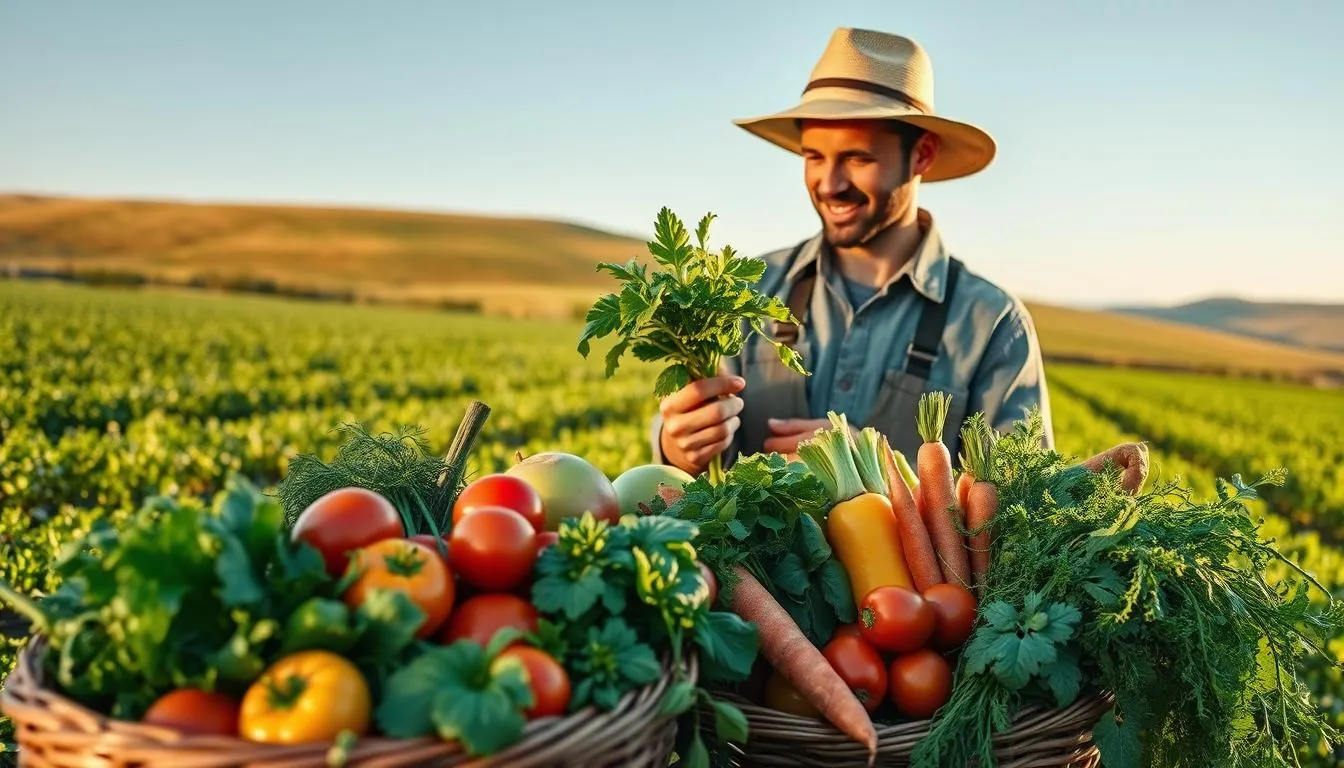
- Organic farming tends to have higher antioxidant levels.
- Conventional farming may use synthetic pesticides.
- Consumer taste preferences vary between organic and conventional.
Economic Realities for American Farmers
The financial dynamics of farming in America reveal a tale of two sectors: organic and conventional, each with its own economic strengths and weaknesses. Understanding these economic realities is crucial for farmers, policymakers, and consumers alike.
Comparing Cost Structures and Profit Margins
Organic farming typically involves higher initial costs due to the need for organic certification and the potential for lower yields during the transition period. However, organic produce often commands a premium price, which can lead to higher profit margins for farmers. In contrast, conventional farming benefits from lower input costs and higher yields, but faces market prices that are often lower due to the commodity nature of the products.
Market Demand and Premium Pricing Opportunities
The demand for organic produce has been steadily increasing, driven by consumer concerns about health and environmental sustainability. This growing demand creates opportunities for farmers to benefit from premium pricing. However, the market for conventionally grown products remains large, and farmers who can scale their operations efficiently can still achieve significant profits.
Farm Bill Subsidies and Support Programs
The Farm Bill plays a critical role in shaping the economic landscape for farmers. It includes subsidies and support programs that can significantly impact the financial viability of farming operations.
Conventional Farming Incentives
Historically, conventional farming has received more direct subsidies, particularly for commodity crops like corn and soybeans. These subsidies can help mitigate the risks associated with price fluctuations and crop failures.
Organic Transition Support
In recent years, there has been an increase in support for organic farming, including programs that assist farmers during the transition to organic practices. These programs can help offset the costs associated with organic certification and provide technical assistance.
Consumer Trends and Market Evolution
The market for organic and conventional farming products is evolving rapidly due to changing consumer preferences. As Americans become more informed about the food they eat, their choices are increasingly influencing the agricultural landscape.
Changing American Consumer Preferences
Consumers are driving the demand for organic produce, with sales reaching $61.9 billion in 2020, according to the Organic Trade Association. This shift is largely due to growing concerns about health, environmental sustainability, and animal welfare.
“The organic market continues to grow as consumers increasingly seek out products that align with their values on health, environment, and social responsibility.”
Organic Trade Association
Accessibility and Price Point Challenges
Despite the growing demand, organic products remain more expensive than their conventional counterparts, creating a barrier for many consumers. A study published on PMC highlights the need for more affordable organic options.
| Product | Conventional Price ($) | Organic Price ($) |
|---|---|---|
| Apples (lb) | 1.50 | 2.50 |
| Carrots (bunch) | 0.80 | 1.20 |
| Milk (gal) | 3.00 | 5.00 |
Labeling and marketing strategies play a crucial role in consumer decision-making. Understanding organic labels is essential for consumers to make informed choices.
Understanding Organic Labels
Organic labels can be confusing, with terms like “USDA Organic” and “Non-GMO.” The USDA Organic label ensures that products are made with at least 95% organic ingredients.
Greenwashing Concerns
Greenwashing, or misleading labeling, is a growing concern. Consumers need to be aware of the difference between genuine organic products and those that are merely marketed as such.
The Future of Farming: Bridging the Divide
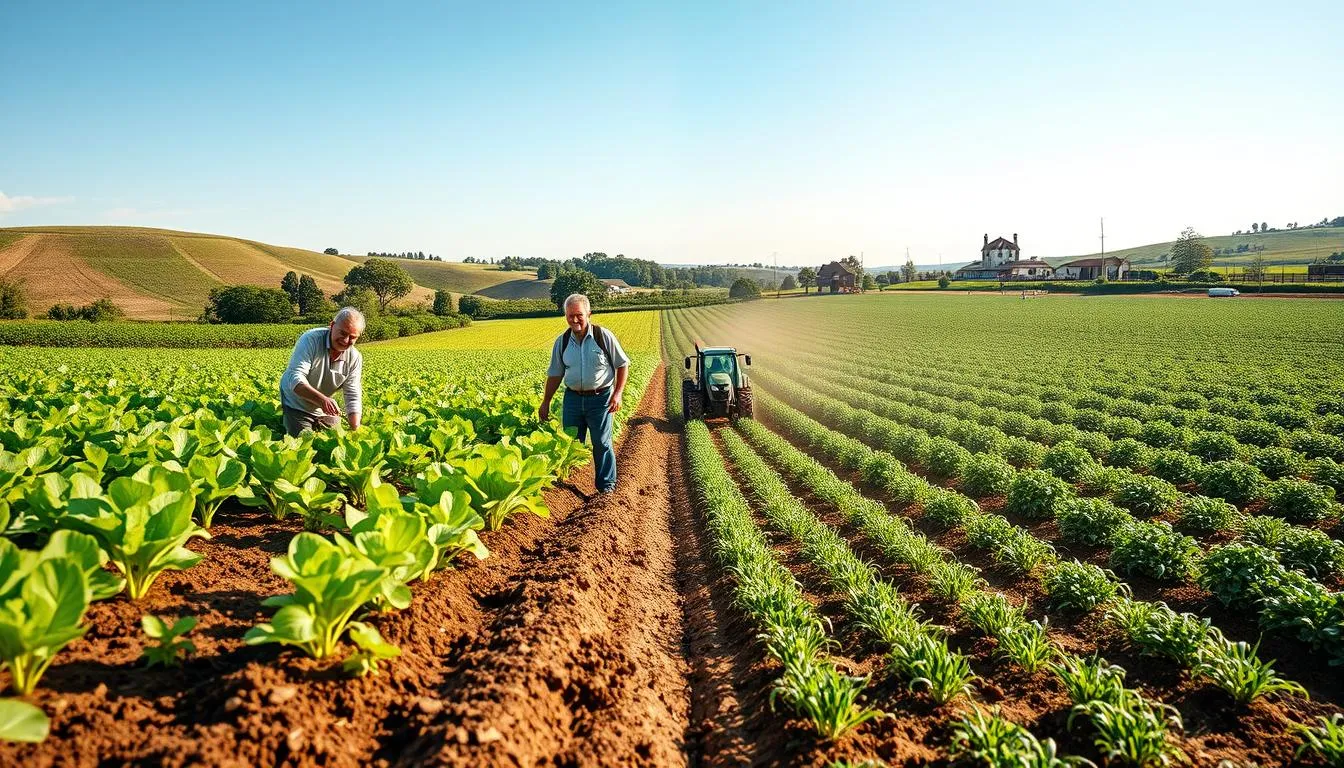
As the agricultural landscape evolves, innovative approaches are emerging to reconcile organic and conventional farming practices. The future of farming in America is likely to be shaped by a combination of traditional wisdom and cutting-edge technology.
Emerging Hybrid and Regenerative Approaches
One of the most promising developments is the rise of hybrid farming methods that integrate the best of both organic and conventional systems. Regenerative agriculture, which focuses on improving soil health and biodiversity, is gaining traction among farmers looking to adopt more sustainable practices. According to a report by the World Business Council for Sustainable Development, regenerative agriculture can play a crucial role in bridging the gap between farmers and society.
“Regenerative agriculture is not just a farming practice; it’s a holistic approach to managing natural resources that can have far-reaching benefits for both the environment and the economy.”
Technological Innovations Benefiting Both Systems
Technological advancements are also playing a key role in shaping the future of farming. Precision agriculture, which involves using data analytics and GPS technology to optimize crop yields and reduce waste, is being adopted by both organic and conventional farmers. Other innovations, such as vertical farming and drones, are further expanding the possibilities for efficient and sustainable farming practices.
| Technology | Organic Farming Benefits | Conventional Farming Benefits |
|---|---|---|
| Precision Agriculture | Improved soil health monitoring | Increased crop yields |
| Vertical Farming | Year-round production capability | Reduced land use |
| Drones | Enhanced pest control | Improved crop monitoring |
Policy changes at both the state and federal levels are also influencing the future of farming. Initiatives such as the Farm Bill are being reexamined to support more sustainable agricultural practices.
State-Level Initiatives
Some states are taking proactive steps to promote organic and regenerative farming practices. For example, California has implemented programs to support organic farmers in transitioning to more sustainable methods.
Federal Agricultural Reform
At the federal level, there are ongoing efforts to reform agricultural policies to better support sustainable farming practices. This includes initiatives to increase funding for research into regenerative agriculture and to provide incentives for farmers to adopt more environmentally friendly practices.
Conclusion: Making Informed Choices About Our Food System
The debate between organic and conventional farming has highlighted the complexities of our food system. As consumers, understanding the differences between these two approaches is crucial for making informed decisions that impact not only our health but also the environment and the agricultural community.
The comparison of organic vs conventional farming reveals distinct advantages and challenges associated with each method. Organic farming prioritizes natural processes, soil health, and biodiversity, while conventional farming focuses on efficiency, yield, and cost-effectiveness. Both approaches have their place in the American agricultural landscape.
As we move forward, it’s essential to recognize the value of both organic and conventional farming in meeting the diverse needs of consumers. By supporting sustainable practices and innovative technologies, we can work towards a more equitable and environmentally conscious food system. This balanced approach will enable us to address the challenges of feeding a growing population while preserving natural resources for future generations.
FAQ
What is the main difference between organic and conventional farming?
The primary difference lies in the use of synthetic inputs like fertilizers, pesticides, and genetically modified organisms (GMOs). Organic farming avoids these, focusing on natural methods to maintain soil health, control pests, and promote biodiversity.
Are organic foods more nutritious than conventionally produced foods?
Research suggests that organic foods may have higher levels of certain nutrients and lower levels of pesticide residues. However, the nutritional differences can vary depending on the specific produce, farming practices, and handling procedures.
How does conventional farming impact the environment?
Conventional farming can lead to soil degradation, water pollution, and loss of biodiversity due to the use of synthetic fertilizers and pesticides. It also contributes to greenhouse gas emissions, although the extent can vary based on practices like tillage and crop rotation.
Can organic farming feed the world’s growing population?
While organic farming has its challenges, including potentially lower yields, it can be a viable option for feeding the global population. Improving organic practices, reducing food waste, and promoting sustainable consumption can help meet the demand.
What are the economic benefits of organic farming for farmers?
Organic farming can provide farmers with premium prices for their products, potentially higher profit margins, and access to niche markets. However, the transition to organic farming can involve initial costs and challenges.
How do farm bill subsidies affect organic and conventional farming?
Farm bill subsidies have historically favored conventional farming by supporting commodity crops. However, there are also programs and initiatives aimed at supporting organic farming, such as organic transition support and conservation programs.
What is regenerative agriculture, and how does it relate to organic and conventional farming?
Regenerative agriculture focuses on regenerating soil health, improving biodiversity, and enhancing ecosystem services. It can be applied to both organic and conventional farming systems, promoting practices that improve soil carbon sequestration, reduce erosion, and promote ecological balance.
Are there any technological innovations that can benefit both organic and conventional farming?
Yes, technologies like precision agriculture, drip irrigation, and advanced crop monitoring can benefit both organic and conventional farming by improving efficiency, reducing waste, and promoting sustainable practices.
How can consumers make informed choices about the food they buy?
Consumers can make informed choices by understanding labels like “USDA Organic,” being aware of the differences between organic and conventional farming, and considering factors like local sourcing, seasonality, and production methods.
What role do consumers play in shaping the future of farming?
Consumers play a significant role by driving demand for certain types of products, influencing market trends, and supporting policies that promote sustainable agriculture. Their choices can encourage farmers to adopt more sustainable practices and support the development of regenerative agriculture.