Essential Tips for Reducing Plastic Use
The plastic crisis is a pressing concern that requires our attention and collective effort to reduce plastic waste. Plastic pollution has become a ubiquitous issue, affecting our oceans, wildlife, and human health. It's essential to understand the severity of the problem to take effective action.

16 min read
As we navigate our daily lives, it’s easy to overlook the impact of our choices on the environment. However, the reality is that plastic waste has become a pressing issue, affecting our oceans, wildlife, and ultimately, our health.
Fortunately, making a difference is simpler than you think. By adopting a few simple habits and being more mindful of our consumption, we can significantly reduce our plastic footprint. This article will guide you through practical tips and strategies to minimize plastic use in your daily life, contributing to a more sustainable future.
Key Takeaways
- Simple changes to daily habits can significantly reduce plastic waste.
- Adopting eco-friendly practices is crucial for sustainable living.
- Understanding the impact of plastic use is the first step towards change.
- Practical tips can make a significant difference in minimizing plastic use.
- Collective action can lead to a substantial positive impact on the environment.
The Plastic Crisis: Why Action Is Needed Now
The plastic crisis is a pressing concern that requires our attention and collective effort to reduce plastic waste. Plastic pollution has become a ubiquitous issue, affecting our oceans, wildlife, and human health. It’s essential to understand the severity of the problem to take effective action.
Environmental Consequences of Plastic Pollution
Plastic pollution has devastating environmental consequences. Marine life is particularly vulnerable, with many animals getting entangled or mistaking plastic for food. The impact on ecosystems is far-reaching, with plastic debris contaminating soil and water sources. As noted by the United Nations, “plastic pollution is one of the most pressing environmental issues of our time.”
“We need to address the plastic pollution crisis with urgency and cooperation at all levels, from local communities to international organizations.”
The Scale of Plastic Waste in America
The United States generates a significant amount of plastic waste. Statistics show that the average American produces around 100 pounds of plastic waste per year. This staggering number highlights the need for effective waste management strategies and a reduction in plastic use. Some key statistics include:
- Over 35 billion plastic bottles are thrown away each year.
- Plastic bags and packaging account for nearly 50% of municipal solid waste.
- The U.S. generates more than 14 million tons of plastic waste annually.
Understanding the scale and impact of plastic waste is crucial for developing effective strategies to minimize plastic use. By acknowledging the problem and working together, we can create a more sustainable future.
Benefits of Minimizing Your Plastic Footprint
The advantages of cutting down on plastic are multifaceted and far-reaching. By adopting reducing plastic use tips and embracing current plastic reduction methods, individuals can significantly impact their health, wallet, and the environment.
Health Advantages of Reducing Plastic Exposure
Reducing plastic use can lead to a decrease in exposure to harmful chemicals found in some plastics, such as BPA and phthalates. These chemicals have been linked to various health issues, including hormonal imbalances and certain cancers. By minimizing plastic use, individuals can lower their risk of exposure to these harmful substances.
Economic and Environmental Benefits
Apart from health benefits, reducing plastic use also has economic and environmental advantages. Here鈥檚 a breakdown:
| Benefits | Economic Impact | Environmental Impact |
|---|---|---|
| Reducing Plastic Waste | Saves money through reduced waste disposal costs | Decreases pollution in oceans and landfills |
| Using Reusable Products | Long-term savings on single-use plastics | Conserves resources and reduces landfill waste |
| By implementing current plastic reduction methods, individuals can contribute to a more sustainable future while also enjoying economic benefits. |
Effective Reducing Plastic Use Tips for Your Kitchen
Transforming your kitchen into a plastic-free zone is easier than you think. By implementing a few simple changes, you can significantly reduce your plastic usage and contribute to a more sustainable environment.
Plastic-Free Food Storage Solutions
One of the primary sources of plastic waste in the kitchen is food storage. Switching to plastic-free alternatives can make a big difference.
Glass and Stainless Steel Containers
Investing in glass and stainless steel containers is a great starting point. These materials are durable, non-toxic, and can be used for storing a variety of foods. For instance, you can use them for leftovers, meal prep, or storing dry goods like pasta and rice.
Beeswax Wraps and Silicone Covers
Beeswax wraps and silicone covers offer a versatile and reusable alternative to plastic wrap. They are perfect for covering bowls, wrapping snacks, or storing cut fruits and vegetables. As noted by environmental experts,
“Beeswax wraps are a sustainable alternative to plastic wrap, being reusable and compostable at the end of their life cycle.”
Eco-Friendly Cooking and Meal Prep
Adopting eco-friendly cooking and meal prep habits can further reduce plastic use. Consider using reusable utensils, silicone baking mats, and stainless steel or cast-iron cookware. For more tips, visit BBC Good Food’s guide on reducing plastic.
Sustainable Dishwashing Practices
Sustainable dishwashing practices also play a crucial role in minimizing plastic waste. Opt for a dishwashing soap that comes in minimal or biodegradable packaging, and consider using a dish rack made from sustainable materials instead of paper towels or plastic drying racks.
By incorporating these tips into your daily kitchen routine, you can significantly reduce your plastic footprint and contribute to a more sustainable future.
Bathroom and Personal Care Plastic Reduction
Making eco-friendly choices in the bathroom can significantly reduce plastic waste. The bathroom is a significant source of plastic pollution, from toothbrushes to packaging on beauty products. By adopting a few simple changes, individuals can make a substantial impact.
Plastic-Free Toiletries and Hygiene Products
Switching to plastic-free toiletries is a straightforward way to reduce bathroom waste. Many brands now offer alternatives to traditional plastic-packaged products.
Solid Shampoo, Soap, and Toothpaste Options
Products like solid shampoo bars and soap bars eliminate the need for plastic bottles. Brands such as Lush and Bite offer toothpaste tablets as a plastic-free alternative to traditional toothpaste.
Reusable Menstrual Products
For those who menstruate, reusable menstrual products like menstrual cups and cloth pads can significantly reduce waste. Brands like Diva and Lunapads offer eco-friendly options.
Sustainable Beauty and Skincare Alternatives
Beauty and skincare routines can also be adapted to reduce plastic waste. Look for products with minimal or biodegradable packaging.
For more tips on reducing plastic waste, visit our plastic waste guide.
Shopping Strategies to Minimize Plastic Waste
Smart shopping strategies can significantly cut down on plastic use. By making a few simple changes to our shopping habits, we can reduce the amount of plastic waste generated. One effective way to start is by being mindful of our purchasing decisions and choosing products with minimal or biodegradable packaging.
Reusable Shopping Bags and Produce Containers
One of the simplest ways to reduce plastic waste is by using reusable shopping bags and produce containers. These can be used multiple times, reducing the need for single-use plastic bags and containers. Many stores now offer reusable bags made from sustainable materials, and there are also various produce containers available that are designed to keep fruits and vegetables fresh without the need for plastic wrapping.
For instance, you can opt for mesh bags for storing fruits and vegetables or reusable containers for buying items like nuts or grains. By adopting these habits, you can significantly reduce your plastic footprint. Check out 10 ways to cut down on your plastic for more ideas.
Navigating Bulk Buying and Package-Free Stores
Bulk buying and shopping at package-free stores are excellent strategies for minimizing plastic waste. Bulk stores allow you to purchase the exact amount of a product you need, reducing packaging waste. Package-free stores take it a step further by offering products without any packaging at all.
When shopping in bulk, it’s essential to use reusable containers to store your purchases. Many bulk stores provide options for customers to bring their containers or use store-provided containers. By choosing these options, you can significantly reduce your plastic use.
| Product | Bulk Option | Package-Free Option |
|---|---|---|
| Nuts and Grains | Reusable containers | Store in glass jars |
| Cleaning Supplies | Concentrated formulas | Refill stations |
| Personal Care | Bars instead of liquids | Compostable packaging |
Reading labels is crucial in making informed choices about the products we buy. Look for products with minimal packaging, those that are labeled as recyclable, and products made from recycled materials. Be wary of greenwashing, where companies misleadingly claim their products are eco-friendly.
By being an informed consumer, you can drive demand for more sustainable products and reduce plastic waste. Always check the ingredient list and look for certifications that indicate the product meets certain environmental standards.
By implementing these shopping strategies, you can make a significant impact on reducing plastic waste. Every small change counts, and collective action can lead to substantial positive change.
Plastic-Free Alternatives for Everyday Items
Adopting plastic-free alternatives for everyday items is a crucial step towards minimizing plastic waste. By making conscious choices, individuals can significantly reduce their plastic footprint.
Sustainable Swaps for Common Household Products
Replacing traditional products with sustainable alternatives can make a significant difference. For instance, switching from plastic storage containers to glass or stainless steel options reduces plastic use.
Kitchen and Dining Alternatives
In the kitchen, alternatives like beeswax wraps, reusable silicone bags, and metal or bamboo utensils can replace plastic wrap and disposable utensils. Brands like Bee’s Wrap and Klean Kanteen offer eco-friendly options.
Cleaning and Maintenance Solutions
For cleaning, switching to products with minimal or biodegradable packaging can help. Brands such as Seventh Generation offer a range of eco-friendly cleaning products.
Eco-Friendly Alternatives to Plastic Packaging
Many companies are now offering products with minimal or no plastic packaging. For example, some brands package their products in cardboard, glass, or bioplastics. Consumers can also opt for buying in bulk and using reusable containers.
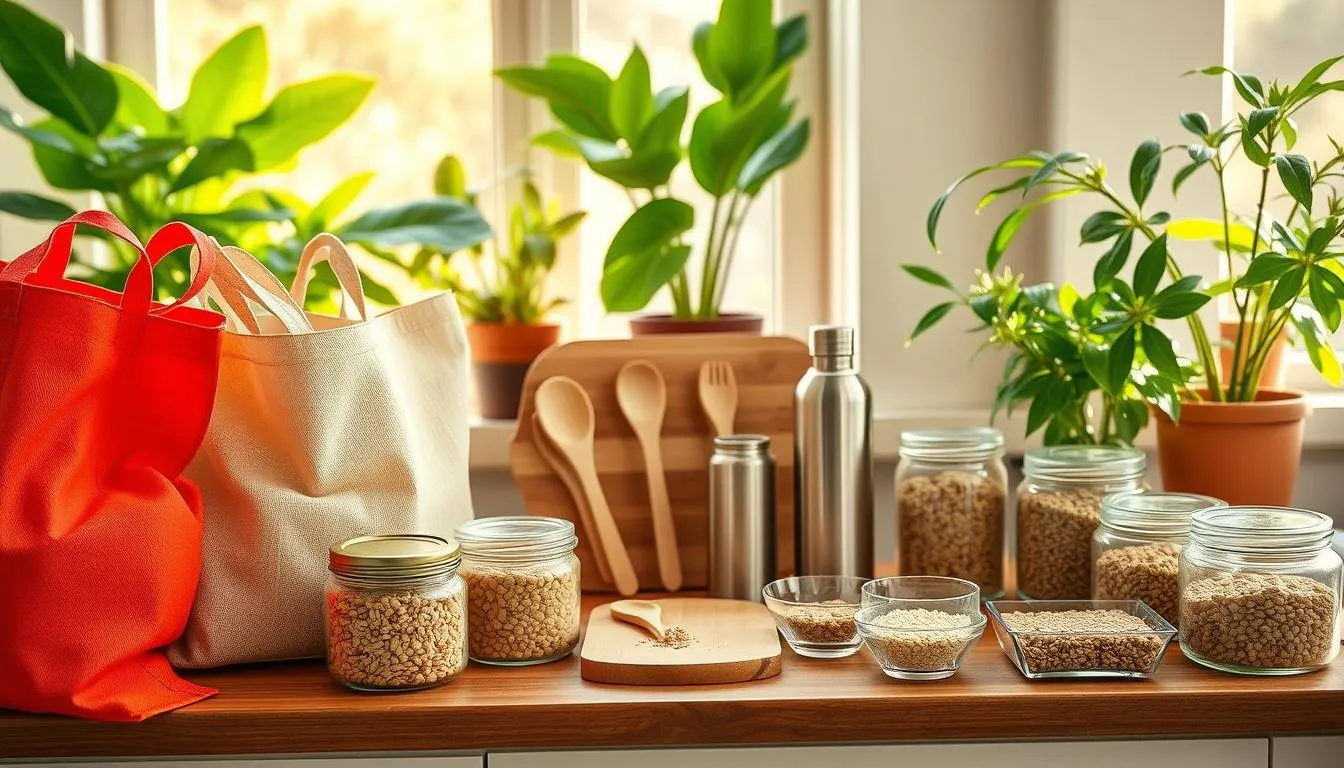 To learn more about reducing plastic waste, visit our guide on avoiding plastic.
| Product | Plastic Alternative | Brand Example |
|---|---|---|
| Storage Containers | Glass Containers | Pyrex |
| Disposable Utensils | Bamboo Utensils | Bamboozle |
| Cleaning Products | Biodegradable Packaging | Seventh Generation |
There are several proven methods for minimizing plastic use in daily life. By adopting these strategies, individuals can significantly reduce their plastic footprint and contribute to a more sustainable environment.
The 5 R’s: Refuse, Reduce, Reuse, Repurpose, Recycle
The 5 R’s are a comprehensive approach to reducing plastic waste. By implementing these principles, individuals can make a significant impact:
- Refuse single-use plastics and unnecessary items.
- Reduce your consumption of plastic products.
- Reuse items whenever possible, such as bags and containers.
- Repurpose items to give them a new life, like turning old jars into planters.
- Recycle materials that cannot be reused or repurposed.
For more information on reducing plastic pollution, you can visit the Beat the Plastic Pollution Challenge page.
Digital Solutions and Apps for Tracking Plastic Use
Digital tools can also play a crucial role in minimizing plastic use. Various apps and platforms help track and reduce plastic consumption:
- Apps like Joule and Trash Tracker allow users to log their plastic use and identify areas for improvement.
- Digital platforms provide resources and community support for individuals looking to reduce their plastic footprint.
By combining the 5 R’s with digital solutions, individuals can effectively reduce their plastic use and contribute to a more sustainable future.
Building Lasting Plastic-Reducing Habits
Developing lasting habits to reduce plastic use is crucial for a sustainable future. As we’ve explored various methods to minimize plastic waste, the next step is to integrate these practices into our daily lives. Building habits that last requires a strategic approach, starting with small, manageable changes and gradually creating sustainable routines.
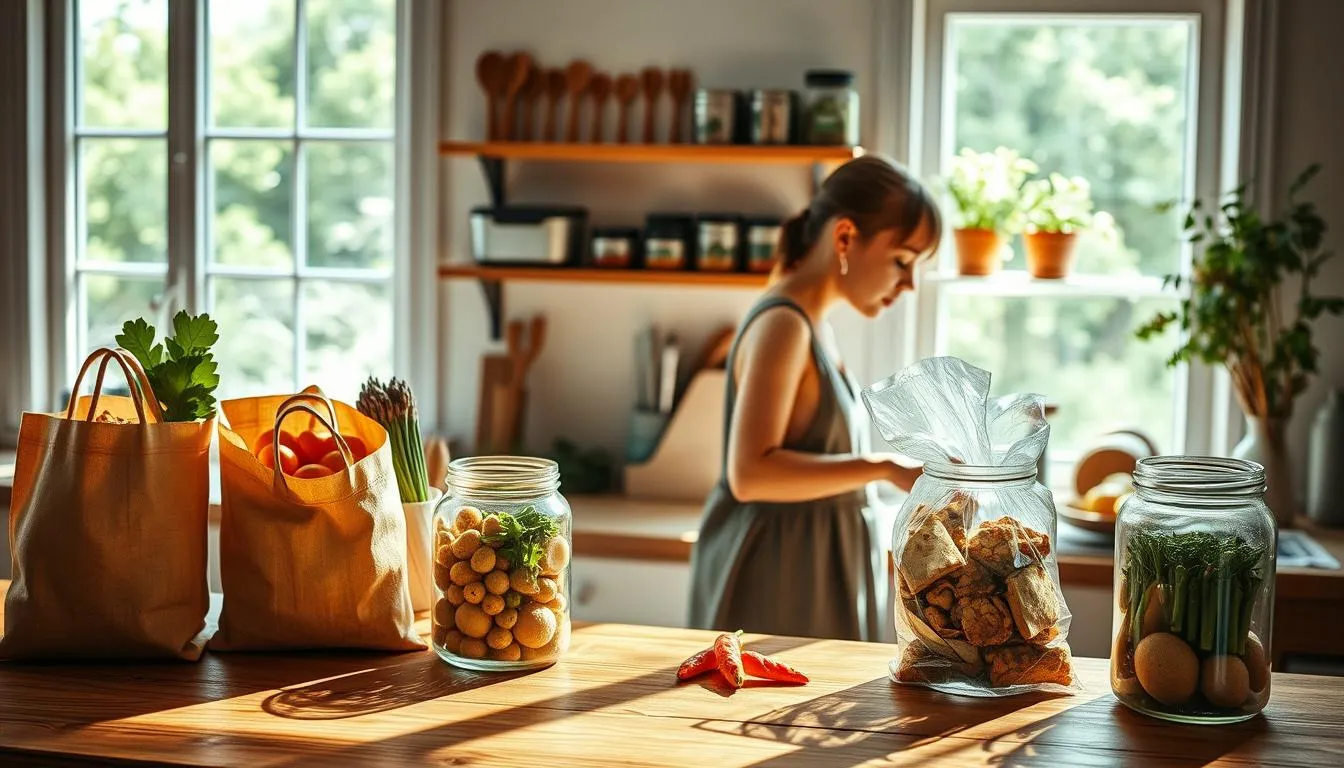
Starting Small: Manageable Changes for Beginners
For those new to reducing plastic use, starting small is key. Begin by identifying one or two areas in your daily routine where you can make a change, such as switching to reusable bags or refusing single-use straws. These small actions may seem insignificant on their own, but they lay the foundation for more substantial changes down the line. As you become more comfortable with these new habits, you can gradually expand your efforts to other areas.
According to environmental experts, “The journey to a plastic-free life is not about making drastic changes overnight but about making consistent, incremental improvements.”
“The greatest threat to our planet is the belief that someone else will save it.” - Robert Swan
This quote emphasizes the importance of individual actions in creating a collective impact.
Creating Sustainable Routines That Last
To create lasting change, it’s essential to incorporate plastic-reducing habits into your daily routine. This can be achieved by making these habits convenient and accessible. For example, keep reusable containers and bags in easily accessible locations, such as near your front door or in your kitchen drawer. By making these habits easy to maintain, you’re more likely to stick to them in the long term.
Creating a routine also involves being mindful of your consumption patterns and making informed choices. When shopping, choose products with minimal or biodegradable packaging. Being consistent in your efforts will help solidify these new habits, making them a natural part of your lifestyle. As you progress on your plastic reduction journey, you’ll find that these habits not only benefit the environment but also contribute to a more sustainable and mindful way of living.
Overcoming Challenges in Your Plastic Reduction Journey
Embarking on a plastic reduction journey can be challenging, but with the right strategies, it’s entirely achievable. As individuals strive to minimize their plastic footprint, they often encounter obstacles such as convenience and accessibility issues, as well as cost concerns.
Addressing Convenience and Accessibility Issues
One of the primary challenges in reducing plastic use is finding convenient alternatives. For instance, single-use plastics are often preferred for their ease of use. However, there are numerous alternatives that can be just as convenient. For example, reusable bags and containers can be used for grocery shopping and food storage.
To overcome accessibility issues, individuals can explore local bulk stores or online retailers that offer package-free or minimal packaging options. Planning ahead and being prepared with reusable containers or bags can make a significant difference.
Managing Costs and Finding Affordable Solutions
The perception that plastic-free living is expensive can be a significant deterrent. However, many plastic-reducing strategies can be cost-effective in the long run. For example, buying in bulk and using reusable products can save money over time.
| Product | Single-Use Cost | Reusable Cost |
|---|---|---|
| Water Bottles | $1.50 per bottle | $10 for a reusable bottle |
| Shopping Bags | $0.10 per bag | $5 for a set of reusable bags |
Conclusion: Your Role in the Plastic-Free Movement
As we navigate the complexities of plastic waste, it’s clear that individual actions play a crucial role in the plastic-free movement. By implementing the strategies outlined in this plastic waste guide, you can significantly reduce your plastic footprint and contribute to a more sustainable future.
Current plastic reduction methods, such as the 5 R’s (Refuse, Reduce, Reuse, Repurpose, Recycle) and adopting digital solutions, can make a substantial impact. Every small change counts, from choosing products with minimal packaging to supporting policies that address plastic pollution.
The statistics are compelling: if we don’t change our ways, plastic waste is projected to emit 6500 Mt CO2 by 2050, as highlighted in a study on plastic waste management. However, collective action can mitigate this crisis.
By making informed choices and advocating for change, we can work together towards a plastic-free future. Your role in this movement is vital 鈥?every decision you make can drive positive change.
FAQ
What are some simple ways to reduce plastic use in daily life?
Some simple ways to reduce plastic use include using reusable bags and containers, choosing products with minimal packaging, and avoiding single-use plastics like straws and water bottles. Brands like Patagonia and REI offer reusable bags and containers made from sustainable materials.
How can I minimize plastic waste in my kitchen?
To minimize plastic waste in your kitchen, consider using glass or stainless steel containers for food storage, switching to beeswax wraps or silicone covers, and choosing products with minimal or biodegradable packaging. Companies like Pyrex and Anchor Hocking offer a range of glass containers, while brands like Bee’s Wrap provide eco-friendly alternatives to plastic wrap.
What are some eco-friendly alternatives to traditional plastic toiletries?
Some eco-friendly alternatives to traditional plastic toiletries include solid shampoo bars, soap bars, and toothpaste tablets. Brands like Lush and The Soap Company offer a range of solid toiletries, while companies like Bite Toothpaste Bits provide toothpaste tablets in reusable glass jars.
How can I reduce plastic waste while shopping?
To reduce plastic waste while shopping, consider using reusable shopping bags and produce containers, buying in bulk, and choosing products with minimal or biodegradable packaging. Stores like Whole Foods and Trader Joe’s offer bulk bins and package-free options, while online retailers like Thrive Market provide eco-friendly alternatives to traditional packaged goods.
What are the 5 R’s of plastic reduction, and how can I apply them?
The 5 R’s of plastic reduction are Refuse, Reduce, Reuse, Repurpose, and Recycle. To apply them, start by refusing single-use plastics, reducing your use of plastic products, reusing items like bags and containers, repurposing items like turning old jars into planters, and recycling as much as possible. By following the 5 R’s, you can significantly reduce your plastic waste and contribute to a more sustainable lifestyle.
Are there any digital solutions or apps that can help me track my plastic use?
Yes, there are several digital solutions and apps that can help you track your plastic use, such as the Plastic Free July app, the Zero Waste app, and the EcoChain platform. These tools can help you monitor your plastic consumption, identify areas for improvement, and make more sustainable choices.
How can I make sustainable plastic-reducing habits last?
To make sustainable plastic-reducing habits last, start by making small changes to your daily routine, such as carrying a reusable water bottle or shopping bag. As you become more comfortable with these changes, you can continue to build on them, creating a more sustainable lifestyle that is both environmentally friendly and personally fulfilling.