Essential Tips for Sustainable Gardening
As we become more aware of our environmental footprint, sustainable gardening emerges as a crucial practice for a greener future. Sustainable gardening involves methods and techniques that minimize harm to the environment, conserve natural resources, and promote biodiversity.

19 min read
Embracing eco-friendly gardening practices is not just a trend, it’s a necessity for our planet’s well-being. As we strive to reduce our environmental footprint, adopting best gardening methods can make a significant difference.
Gardening sustainably means using natural resources wisely and minimizing waste. By doing so, we not only contribute to a healthier environment but also create a more beautiful and resilient garden. Whether you’re a seasoned gardener or just starting out, incorporating sustainable practices into your routine can have a lasting impact.
Key Takeaways
- Understand the importance of eco-friendly gardening practices.
- Learn how to minimize waste in your garden.
- Discover the benefits of using natural resources wisely.
- Explore ways to create a more resilient garden.
- Find out how sustainable gardening can contribute to a healthier environment.
What Is Sustainable Gardening?
As we become more aware of our environmental footprint, sustainable gardening emerges as a crucial practice for a greener future. Sustainable gardening involves methods and techniques that minimize harm to the environment, conserve natural resources, and promote biodiversity.
Core Principles of Eco-Friendly Gardening
The core principles of sustainable gardening include using natural and organic materials, conserving water, and reducing waste. Some key practices involve:
- Using compost and organic fertilizers
- Implementing efficient irrigation systems
- Choosing native and climate-adapted plants
Environmental Benefits
Sustainable gardening offers numerous environmental benefits, including reduced carbon emissions, conservation of water, and protection of local wildlife. By adopting eco-friendly gardening practices, we can significantly reduce our environmental impact.
Economic Advantages
In addition to environmental benefits, sustainable gardening can also provide economic advantages. For instance, growing your own fruits and vegetables can save money on grocery bills, and sustainable gardens can increase property values.
How Sustainable Practices Differ from Conventional Methods
Unlike conventional gardening methods, sustainable gardening focuses on long-term ecological balance rather than short-term gains. This approach involves using natural pest control methods, reducing chemical use, and promoting soil health.
Planning Your Sustainable Garden
To cultivate a truly sustainable garden, you must first evaluate your site and develop a thoughtful design. This process begins with a thorough site assessment and analysis, which are crucial for understanding the unique conditions of your garden.
Site Assessment and Analysis
A comprehensive site assessment involves understanding your climate zone and analyzing soil conditions. These factors play a significant role in determining the types of plants that will thrive in your garden.
Understanding Your Climate Zone
Knowing your climate zone helps you choose plants that are adapted to your local weather conditions. According to the Green America, selecting climate-appropriate plants is a key step in creating a sustainable yard.
Analyzing Soil Conditions
Soil analysis is essential for determining nutrient levels and pH balance. A soil test can reveal its composition and structure, guiding you in selecting the right amendments to improve its fertility and drainage.
Sustainable Garden Design Principles
Effective garden design combines functionality with ecological benefits. Two key principles are creating functional spaces and incorporating wildlife habitats.
Creating Functional Spaces
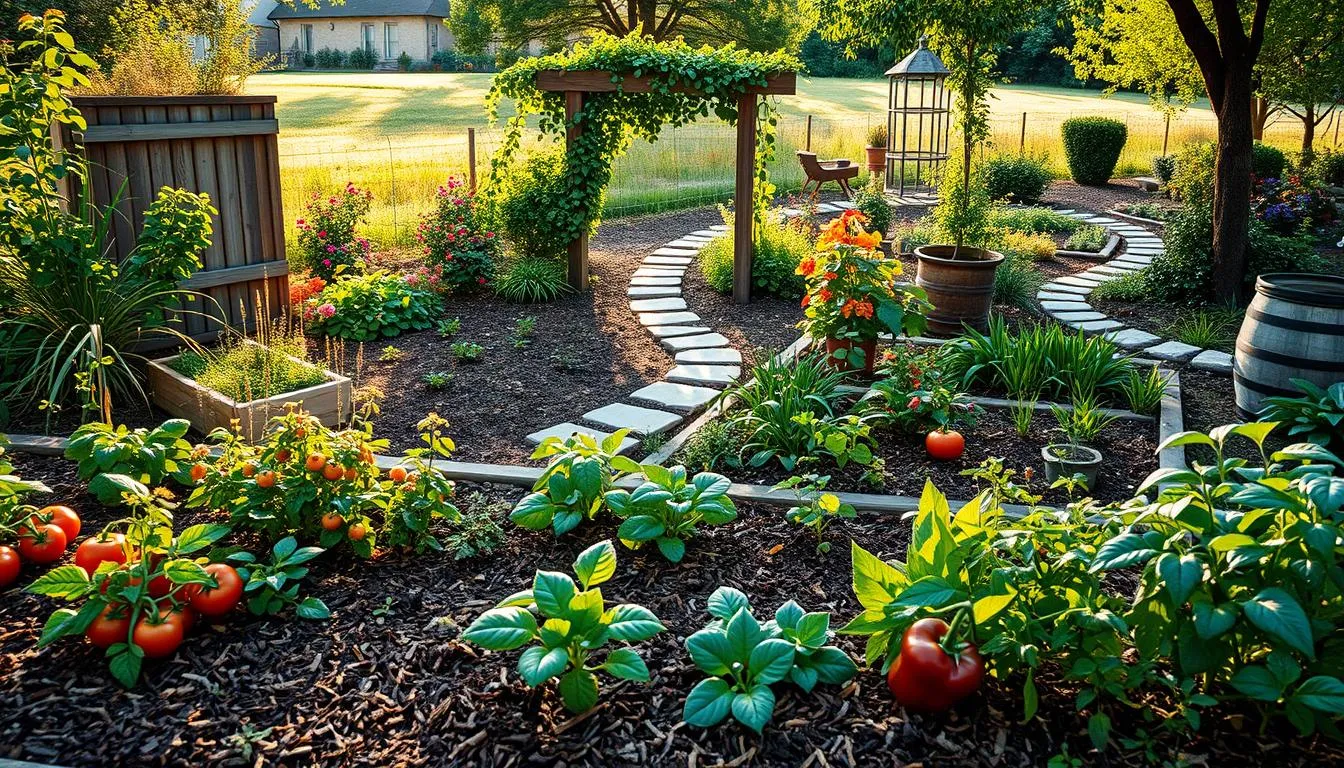
A well-designed garden should be both beautiful and functional. Consider dividing your garden into different areas for various activities, such as a vegetable garden, a relaxation area, and a play space for children.
Incorporating Wildlife Habitats
Incorporating elements that attract wildlife, such as native plants, birdhouses, and water features, can enhance biodiversity. As noted by experts, “Creating a garden that welcomes wildlife can be a rewarding experience and contribute to the local ecosystem.”
| Design Element | Functional Benefit | Ecological Benefit |
|---|---|---|
| Native Plants | Low maintenance | Supports local biodiversity |
| Rainwater Harvesting | Water conservation | Reduces runoff |
| Composting | Soil enrichment | Waste reduction |
Building and Maintaining Healthy Soil
Healthy soil is the foundation of a sustainable garden, supporting plant growth and ecosystem balance. To build and maintain such soil, gardeners must focus on several key practices.
Composting Fundamentals
Composting is a critical component of sustainable gardening. It involves breaking down organic materials into a nutrient-rich soil amendment. To start composting, gardeners need to understand the basics of setting up a compost system and what materials to include or avoid.
Setting Up Your Compost System
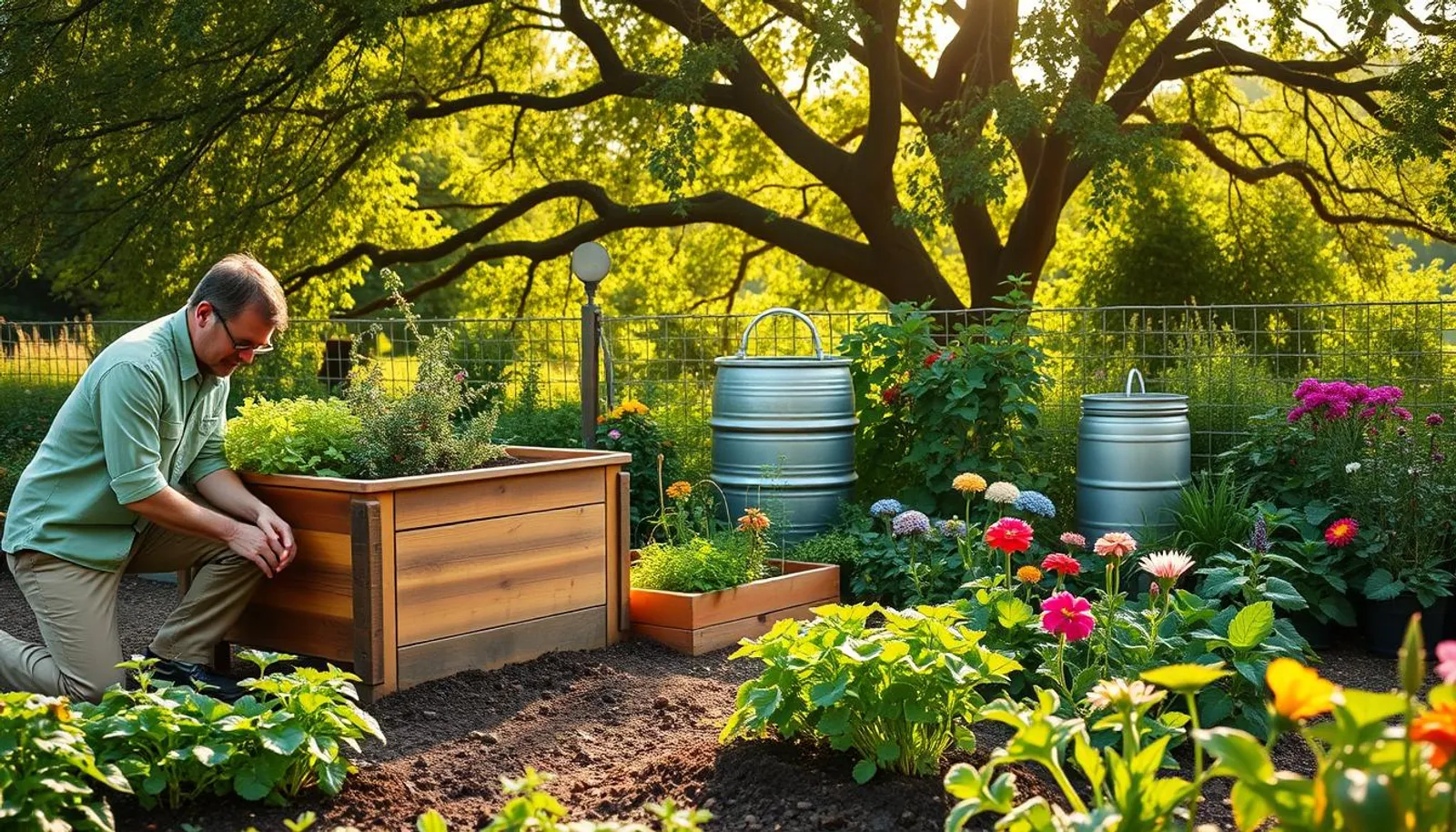
To set up a compost system, choose a location that is well-ventilated and accessible. Use a mix of “green” materials (like food scraps and grass clippings) and “brown” materials (such as dried leaves and straw) to create a balanced compost pile.
What to Compost and What to Avoid
Include a variety of organic materials in your compost, such as vegetable peels, coffee grounds, and eggshells. However, avoid adding meat, dairy, and pet waste, as these can attract pests and create unpleasant odors.
No-Till Gardening Methods
No-till gardening is another effective method for maintaining healthy soil. This approach minimizes soil disturbance, preserving its structure and reducing erosion. By not tilling, gardeners also promote soil biota and improve water retention.
Organic Fertilizers and Amendments
Using organic fertilizers and amendments is vital for sustainable gardening. These natural products enhance soil fertility without the harmful effects associated with synthetic chemicals.
Homemade Soil Boosters
Gardeners can create their own soil boosters using common household items. For example, Epsom salt can be used to provide magnesium, an essential nutrient for plants. Another homemade fertilizer is made by steeping compost in water, creating a nutrient-rich liquid fertilizer.
By implementing these strategies, gardeners can build and maintain healthy soil, supporting a thriving and sustainable garden. This not only benefits the garden but also contributes to a healthier environment.
Water Conservation Strategies
Water conservation is a critical aspect of sustainable gardening, ensuring that this precious resource is used efficiently. By adopting effective water conservation strategies, gardeners can significantly reduce their water usage while maintaining a healthy and thriving garden.
Efficient Irrigation Systems
One of the most effective ways to conserve water in your garden is by implementing an efficient irrigation system. This not only reduces water waste but also ensures that your plants receive the right amount of moisture.
Drip Irrigation Setup
Drip irrigation is a highly efficient method that delivers water directly to the roots of plants, minimizing evaporation and runoff. To set up a drip irrigation system, start by laying out the mainline tubing along the areas you want to irrigate. Then, attach drip emitters or microtubing to deliver water to individual plants.
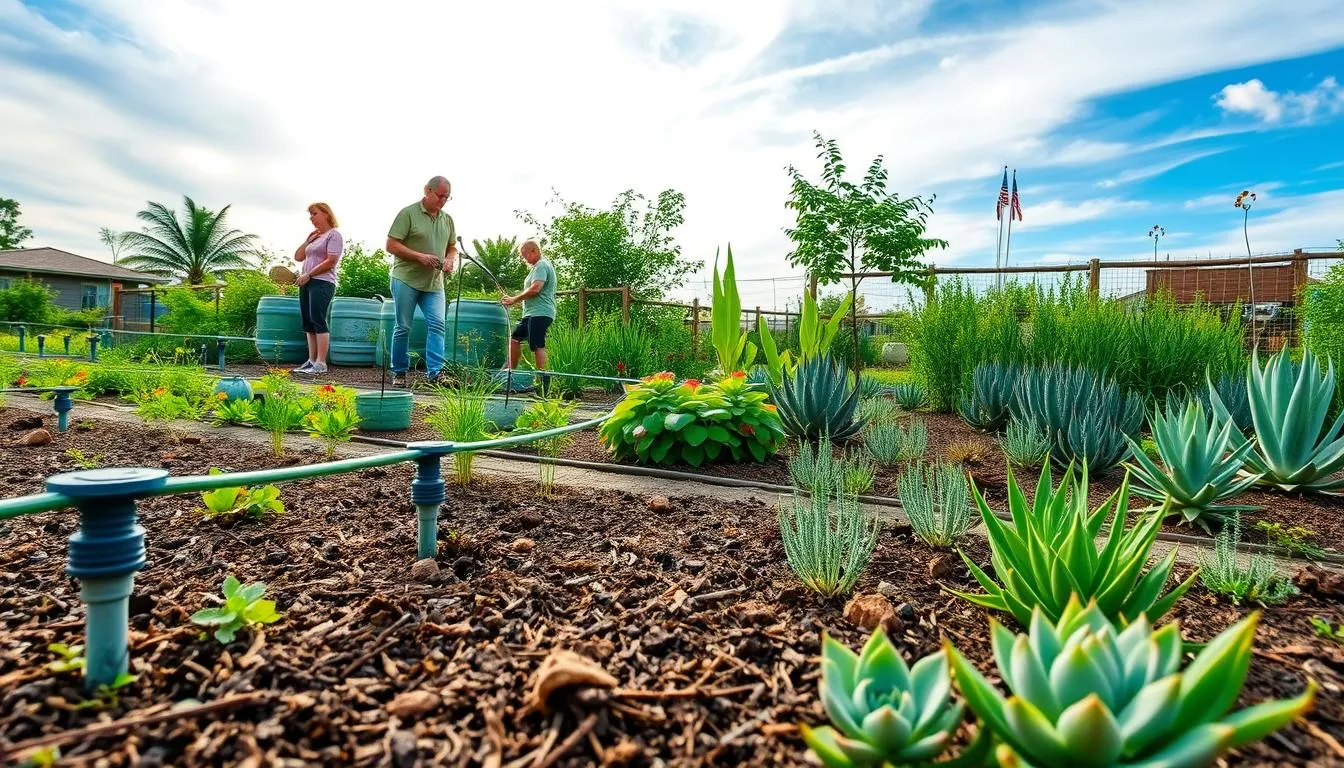 Smart watering controllers can further enhance the efficiency of your irrigation system. These devices adjust watering schedules based on weather conditions, soil moisture levels, and plant water requirements, ensuring that your garden receives exactly what it needs.
Rainwater Harvesting Techniques
Rainwater harvesting is another effective strategy for conserving water. By collecting and storing rainwater, you can reduce your reliance on municipal water supplies and create a natural, chemical-free source of irrigation water.
Xeriscaping and Drought-Tolerant Landscaping
Xeriscaping involves designing your garden with water conservation in mind, using drought-tolerant plants, efficient irrigation, and mulching to minimize water use. By choosing plants adapted to your local climate, you can create a beautiful and sustainable garden that thrives with minimal watering.
By incorporating these water conservation strategies into your sustainable gardening practices, you can enjoy a lush, vibrant garden while contributing to a more environmentally friendly future.
Choosing Native and Climate-Adapted Plants
The journey to a sustainable garden begins with understanding the importance of native and climate-adapted plants. These plants are naturally suited to the local climate and soil conditions, requiring less water, fertilizers, and pest control measures. By choosing the right plants, you can significantly reduce the environmental impact of your garden.
Benefits of Native Species
Native species have evolved over time to thrive in specific regions, making them ideal for sustainable gardening. They support local ecosystems, provide habitat for native wildlife, and are more resistant to pests and diseases. Incorporating native plants into your garden not only enhances its beauty but also contributes to the preservation of local biodiversity.
Key benefits of native species include:
- Reduced water consumption
- Lower maintenance requirements
- Enhanced local biodiversity
- Improved soil health
Regional Plant Selection Guide for American Gardens
Selecting plants that are adapted to your region is crucial for a sustainable garden. Here’s a guide to some of the best native plants for different regions across the United States.
Northeast Natives
The Northeast region supports a variety of native plants such as Trillium and Black-eyed Susan. These plants are hardy and can thrive in the region’s cold winters and humid summers.
Southeast Favorites
In the Southeast, plants like Azalea and Coreopsis are popular for their vibrant colors and ability to withstand the hot, humid climate.
Midwest Prairie Plants
The Midwest prairies are home to plants such as Prairie Clown and Butterfly Milkweed. These plants are well-adapted to the region’s fertile soils and varying weather conditions.
Southwest Desert-Adapted Species
The Southwest desert landscape is dotted with plants like Cacti and Sagebrush, which are highly adapted to the arid conditions and require minimal watering.
Pacific Northwest Selections
In the Pacific Northwest, plants such as Western Columbine and Oregon Sunshine thrive in the mild climate and can add beauty and biodiversity to your garden.
| Region | Native Plants | Characteristics |
|---|---|---|
| Northeast | Trillium, Black-eyed Susan | Hardy, cold-resistant |
| Southeast | Azalea, Coreopsis | Vibrant, heat-tolerant |
| Midwest | Prairie Clown, Butterfly Milkweed | Adaptable, fertile soil-friendly |
| Southwest | Cacti, Sagebrush | Drought-tolerant, arid-adapted |
| Pacific Northwest | Western Columbine, Oregon Sunshine | Mild climate-friendly, biodiversity-enhancing |
Creating biodiversity in your garden is essential for a healthy ecosystem. By incorporating a variety of native and climate-adapted plants, you can attract different species of pollinators and beneficial insects. For more tips on sustainable landscaping, visit Stiled’s guide on sustainable landscaping.
By choosing the right plants and creating a diverse garden ecosystem, you can enjoy a thriving, sustainable garden that supports local wildlife and minimizes its impact on the environment.
Essential Sustainable Gardening Tips for Every Season
Gardening sustainably means being attuned to the rhythms of nature and adjusting your techniques accordingly. As the seasons change, so do the opportunities to nurture your garden in an eco-friendly way. By adopting seasonal sustainable gardening practices, you can enhance the health of your garden, reduce your environmental footprint, and enjoy a more bountiful harvest.
Spring Sustainability Practices
Spring is a time of renewal in the garden. It’s the perfect season to start implementing sustainable practices.
Early Season Planting Strategies
Begin by preparing your soil with compost and organic fertilizers. Choose plants that are well-suited to your local climate and soil conditions. Consider using native plants, which typically require less maintenance and support local biodiversity.
Natural Weed Management
Instead of relying on chemical herbicides, use mulch or hand-weeding to control weeds. These methods not only reduce chemical use but also improve soil health over time.
Summer Maintenance Techniques
During the summer, focus on maintaining the health and vitality of your garden.
- Water your plants deeply but infrequently to encourage deep root growth.
- Use drip irrigation or soaker hoses to reduce water waste.
- Keep your garden free of weeds, which compete with your plants for water and nutrients.
Fall Garden Preparation
As fall approaches, prepare your garden for the coming winter.
- Add organic matter to your soil to improve its structure and fertility.
- Plant cover crops to protect your soil from erosion and enhance its health.
- Start composting fallen leaves and other garden waste.
Winter Planning and Protection
Winter is a time for planning and protecting your garden.
- Plan your garden’s layout and plant selection for the upcoming season.
- Protect your soil with mulch or straw to keep it from freezing.
- Consider winter sowing seeds in mini greenhouses or cold frames.
By following these seasonal sustainable gardening tips, you can create a thriving, eco-friendly garden that benefits both you and the environment.
Natural Pest and Disease Management
Gardening sustainably means adopting natural pest and disease management techniques that work in harmony with nature. “A healthy garden is a balanced ecosystem,” as gardening experts often say, emphasizing the importance of managing pests and diseases without harming the environment.
Companion Planting Strategies
Companion planting is a powerful technique that involves growing different plants together to improve growth, health, and productivity. By choosing the right combinations, gardeners can naturally deter pests and enhance beneficial insect populations.
Beneficial Plant Combinations
Some plants, when grown together, can repel pests or attract beneficial insects. For example, planting marigolds with tomatoes can deter nematodes, while basil repels aphids and improves the flavor of nearby vegetables. As noted by gardening experts, managing disease and pests effectively is key to a healthy.
- Marigolds with tomatoes to deter nematodes
- Basil with vegetables to repel aphids
- Nasturtiums with cabbage to deter aphids, whiteflies, and other pests
Attracting Beneficial Insects and Pollinators
Beneficial insects, such as bees, butterflies, and ladybugs, are crucial for a healthy garden ecosystem. They pollinate plants and prey on harmful pests. To attract these beneficial insects, gardeners can plant a diverse range of flowers that provide nectar and pollen.
Tips for Attracting Beneficial Insects:
- Plant a variety of flowers that bloom at different times
- Include native plants in your garden
- Avoid using pesticides that harm beneficial insects
Organic Pest Control Solutions
For situations where pest control is necessary, organic solutions are available that are safer for the environment and human health. These include homemade sprays, physical barriers, and traps.
Homemade Sprays and Treatments
Homemade sprays made from ingredients like garlic, neem oil, and soap can be effective against a range of pests. For instance, a garlic spray can deter aphids and other soft-bodied pests.
Physical Barriers and Traps
Physical barriers, such as fine mesh, can prevent pests from reaching plants. Traps, including sticky traps and pitfall traps, can capture and remove pests from the garden.
By adopting these natural pest and disease management strategies, gardeners can maintain a healthy, balanced ecosystem that is resilient to pests and diseases. As “The Gardener’s Handbook” suggests, a proactive approach to gardening can significantly reduce the need for chemical interventions.
Eco-Friendly Tools and Materials
Adopting eco-friendly tools and materials is a crucial step in sustainable gardening. By choosing the right equipment and supplies, gardeners can significantly reduce their environmental footprint.
Essential Sustainable Gardening Equipment
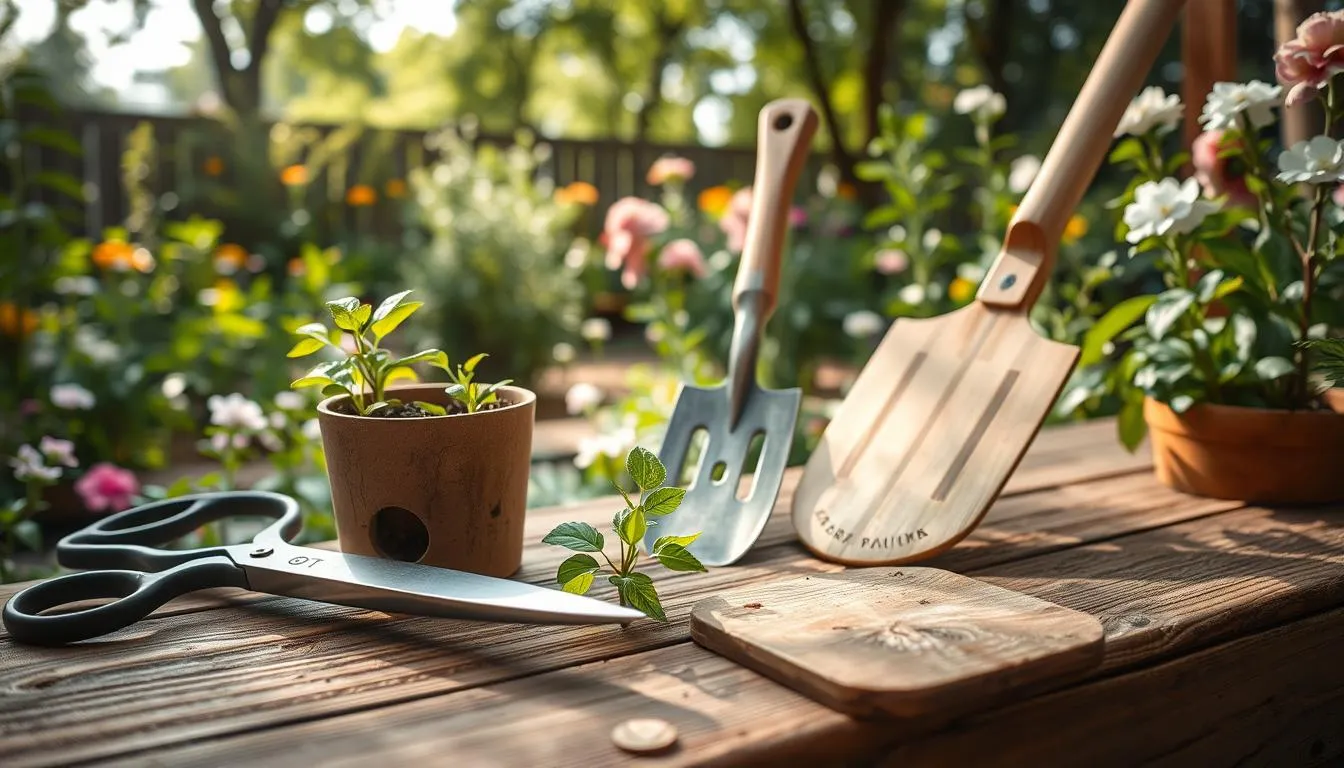
Investing in high-quality, durable gardening tools is a fundamental aspect of sustainable gardening. Tools made from sustainable materials or produced with environmentally friendly practices are preferable. For instance, bamboo gardening stakes are a sustainable alternative to plastic or metal stakes.
Renewable and Recycled Materials for Garden Projects
Using renewable and recycled materials in garden projects not only reduces waste but also adds unique character to your garden. For example, old pallets can be repurposed into garden planters or compost bins. For more ideas on eco-friendly gardening hacks, visit EcoGardener’s blog.
Sustainable Alternatives to Plastic
Plastic is a common material in gardening, but it has a significant environmental impact. Sustainable alternatives include biodegradable plant pots made from coconut coir or bamboo, and garden markers made from natural stone or recycled metal.
| Material | Sustainable Alternative | Benefits |
|---|---|---|
| Plastic Pots | Biodegradable Pots | Reduces Plastic Waste |
| Metal Tools | Bamboo Handles | Renewable Resource |
| Synthetic Fertilizers | Organic Compost | Improves Soil Health |
Proper maintenance of gardening tools is essential for extending their lifespan. Regular cleaning, sharpening, and storing tools in a dry place can significantly reduce the need for frequent replacements, thereby reducing waste.
By embracing eco-friendly tools and materials, gardeners can contribute to a more sustainable gardening practice. It’s about making conscious choices that benefit both the garden and the environment.
Reducing Waste in Your Garden
As gardeners, we can significantly impact the environment by reducing, reusing, and recycling garden waste. This not only helps in minimizing the amount of waste sent to landfills but also contributes to creating a more sustainable gardening practice.
Reusing and Repurposing Garden Materials
One of the simplest ways to reduce waste is by reusing materials already available in your garden. Old pots can be repurposed as planters, and wooden pallets can be turned into garden beds or compost bins.
- Use old bricks or stones to create pathways or edging.
- Transform old garden hoses into trellises for climbing plants.
Creative Upcycling Projects
Upcycling involves converting waste materials into something of greater value. For example, you can turn an old ladder into a vertical garden or create a bird feeder from a plastic bottle.
Composting Garden Waste
Composting is a natural process that turns garden waste into nutrient-rich soil. It’s an effective way to recycle organic materials and reduce the need for synthetic fertilizers.
Key composting tips:
- Balance “green” materials (like vegetable peels) with “brown” materials (like dried leaves).
- Maintain adequate moisture and aeration.
Creating a Closed-Loop Garden System
A closed-loop garden system minimizes waste by recycling materials within the garden. This can be achieved by composting waste, using rainwater collection systems, and reusing materials whenever possible.
By adopting these practices, gardeners can significantly reduce their environmental footprint.
Conclusion: Growing a Greener Future Through Sustainable Gardening
By adopting sustainable gardening practices, individuals can significantly contribute to a greener future. The best gardening methods, such as using electric or push mowers, composting, and planting native species, not only reduce carbon emissions but also promote biodiversity. Implementing sustainable gardening tips like rainwater harvesting, efficient irrigation systems, and natural pest control can make a substantial difference.
Sustainable gardening is about creating a harmonious balance between our gardens and the environment. By choosing the right plants, minimizing waste, and using eco-friendly tools, we can reduce our ecological footprint. As we move forward, it’s essential to continue exploring and adopting innovative sustainable gardening practices that support a healthier planet.
Every small step counts, and collective efforts can lead to significant positive change. By embracing sustainable gardening, we not only enhance our surroundings but also contribute to a more sustainable future for generations to come.
FAQ
What is sustainable gardening?
Sustainable gardening refers to the practice of growing plants in a way that minimizes harm to the environment, conserves resources, and promotes eco-friendly methods. It involves using techniques such as composting, rainwater harvesting, and using native plants to create a balanced and thriving garden ecosystem.
How can I make my garden more sustainable?
To make your garden more sustainable, start by assessing your site and climate zone. Use eco-friendly practices like composting, no-till gardening, and efficient irrigation systems. Choose native and climate-adapted plants, and incorporate wildlife habitats into your garden design. Reduce waste by reusing and repurposing materials, and maintain your tools to extend their lifespan.
What are the benefits of using native plants in my garden?
Native plants are adapted to your local climate and soil conditions, requiring less water, fertilizers, and pest control. They also provide habitat and food for native wildlife, such as bees, butterflies, and birds, promoting biodiversity in your garden.
How can I conserve water in my garden?
To conserve water, use efficient irrigation systems like drip irrigation, and install smart watering controllers that adjust to weather conditions. Collect rainwater in barrels or cisterns to supplement your watering needs. Choose drought-tolerant plants, and use mulch to reduce evaporation and retain soil moisture.
What is xeriscaping, and how can it help me save water?
Xeriscaping is a landscaping method that uses drought-tolerant plants, efficient irrigation, and other water-saving techniques to minimize water usage. By choosing plants adapted to your climate, reducing lawn areas, and using mulch, you can create a beautiful and sustainable garden that thrives with minimal watering.
How can I manage pests and diseases in my garden without using chemicals?
To manage pests and diseases naturally, use companion planting strategies, attract beneficial insects, and employ organic pest control solutions like neem oil and diatomaceous earth. Practice good garden hygiene, remove weeds, and maintain healthy soil to prevent pest and disease issues.
What are some eco-friendly gardening tools and materials I can use?
Eco-friendly gardening tools and materials include sustainably sourced wood, recycled plastic, and durable, long-lasting equipment. Look for tools made from renewable materials, and choose products with minimal packaging or those that use biodegradable materials.
How can I reduce waste in my garden?
To reduce waste, reuse and repurpose materials like old containers, pallets, and cardboard. Compost garden waste to create nutrient-rich soil, and avoid using single-use plastics. Create a closed-loop garden system by reusing rainwater, composting, and minimizing external inputs.
What are some best gardening methods for a sustainable garden?
Best gardening methods for a sustainable garden include using no-till or low-till techniques, incorporating cover crops, and using organic amendments like compost and manure. Practice crop rotation, and choose varieties that are disease-resistant and well-suited to your climate.
How can I create a biodiverse garden?
To create a biodiverse garden, incorporate a variety of plants, including native species, that provide habitat and food for different types of wildlife. Use a mix of annuals and perennials, and include plants with different growth habits, like shrubs, trees, and groundcovers. Create a welcoming environment by providing sources of water and shelter.