Everything You Need to Know About Zero-Waste Living
The Five Rs are a hierarchical approach to managing waste. Here's a breakdown:

18 min read
Adopting a zero-waste lifestyle is a significant step towards reducing our environmental footprint. With the alarming rate of municipal solid waste generation, as reported by the EPA in 2018, it’s clear that change is necessary. The United States generated 292.4 million tons of municipal solid waste, approximately 4.9 pounds per person per day.
Embracing zero-waste living tips can significantly impact the environment. Simple changes, such as using bulk goods, avoiding single-use plastics, and composting food scraps, can make a substantial difference. For a complete zero waste guide, it’s essential to explore various strategies and tips that can be easily incorporated into daily life.
Key Takeaways
- Reduce municipal solid waste by adopting simple lifestyle changes.
- Use bulk goods and avoid single-use plastics.
- Compost food scraps to minimize waste.
- Explore a complete zero waste guide for more strategies.
- Make a significant impact on the environment with small changes.
Understanding the Zero-Waste Philosophy
Embracing a zero-waste lifestyle begins with understanding its underlying philosophy. Zero-waste living is about adopting a holistic approach to reduce waste and its environmental impacts.
The foundation of this philosophy is built around the Five Rs: Refuse, Reduce, Reuse, Recycle, and Rot. Understanding and implementing these principles is key to achieving a zero-waste lifestyle.
The Five Rs: Refuse, Reduce, Reuse, Recycle, Rot
The Five Rs are a hierarchical approach to managing waste. Here’s a breakdown:
| R | Description | Example |
|---|---|---|
| Refuse | Decline items that are not necessary | Refusing single-use plastics |
| Reduce | Minimize items you own | Buying in bulk |
| Reuse | Find new uses for items | Using cloth bags for shopping |
| Recycle | Process materials to create new products | Recycling paper and plastic |
| Rot | Compost organic waste | Composting food scraps |
Waste has a significant environmental impact, contributing to pollution, climate change, and resource depletion. By understanding the effects of waste, individuals can make informed decisions to reduce their waste footprint.
Beyond Recycling: A Holistic Approach
While recycling is crucial, it’s just one part of the zero-waste equation. A holistic approach involves reducing consumption, reusing items, and refusing unnecessary products. This comprehensive strategy is essential for how to achieve zero waste effectively.
By embracing the zero-waste philosophy, individuals can significantly reduce their environmental impact and contribute to a more sustainable future.
Why Zero-Waste Living Matters Today
With the escalating environmental crisis, embracing zero-waste living has become more than just a trend; it’s a necessity. The alarming rate of waste generation and its devastating impact on our planet demand immediate attention and action.
Climate Change Connection
Zero-waste living is intricately linked with the fight against climate change. By reducing waste, we can significantly decrease greenhouse gas emissions associated with the production, transportation, and disposal of waste. For instance, recycling just one plastic bottle can save enough energy to power a computer for 25 minutes.
Resource Conservation
Adopting a zero-waste lifestyle promotes the efficient use of resources. By choosing products with minimal packaging, buying in bulk, and reusing items, we can conserve natural resources and reduce the environmental footprint of our consumption patterns.
Pollution Reduction Benefits
Zero-waste living plays a crucial role in reducing pollution. By minimizing waste, we can decrease the amount of pollutants released into the environment, protecting ecosystems and public health. A study by the EPA found that recycling can significantly reduce air and water pollution.
| Benefits | Impact |
|---|---|
| Climate Change Mitigation | Reduces greenhouse gas emissions |
| Resource Conservation | Conserves natural resources |
| Pollution Reduction | Decreases air and water pollution |
Getting Started: First Steps to Zero Waste
To start living a zero-waste life, you first need to understand where you’re starting from. This involves taking a close look at your current waste habits and identifying areas for improvement.
Conducting a Waste Audit
Begin by conducting a waste audit. For one week, sort your trash into categories: plastics, paper, glass, and food waste. This simple exercise will reveal where most of your waste is coming from, allowing you to target those areas specifically.
Setting Realistic Goals
After understanding your waste patterns, set realistic goals. Start with small, achievable changes, like reducing your use of single-use plastics or composting food waste. Gradually, these small changes will add up to make a significant impact.
Essential Zero-Waste Swaps for Beginners
Making the transition to zero-waste living involves making some simple swaps in your daily life. Here are a few essential changes to get you started:
| Traditional Item | Zero-Waste Alternative |
|---|---|
| Plastic Water Bottles | Stainless Steel or Glass Bottles |
| Disposable Bags | Reusable Cloth Bags |
| Paper Towels | Reusable Cloth Towels |
Essential Zero Waste Living Tips
Embracing a zero-waste lifestyle requires a combination of mindful practices and simple changes to your daily routine. By incorporating a few key habits into your life, you can significantly reduce your environmental impact.
Daily Habits to Adopt
One of the simplest ways to start your zero-waste journey is by adopting daily habits that promote sustainability. For instance, using a reusable water bottle and coffee cup can significantly reduce single-use plastic waste. As Laurie Michaelis, an environmental expert, once said,
“Small changes in our daily lives can collectively make a significant difference.”
Additionally, making your own cleaning products or shopping in bulk can further minimize waste.
Common Waste Pitfalls to Avoid
Being aware of common waste pitfalls is crucial in maintaining a zero-waste lifestyle. One of the most significant sources of waste is single-use packaging. When shopping, choose products with minimal or biodegradable packaging. Another pitfall is food waste; planning your meals and using up leftovers can make a big difference.
Tracking Your Progress
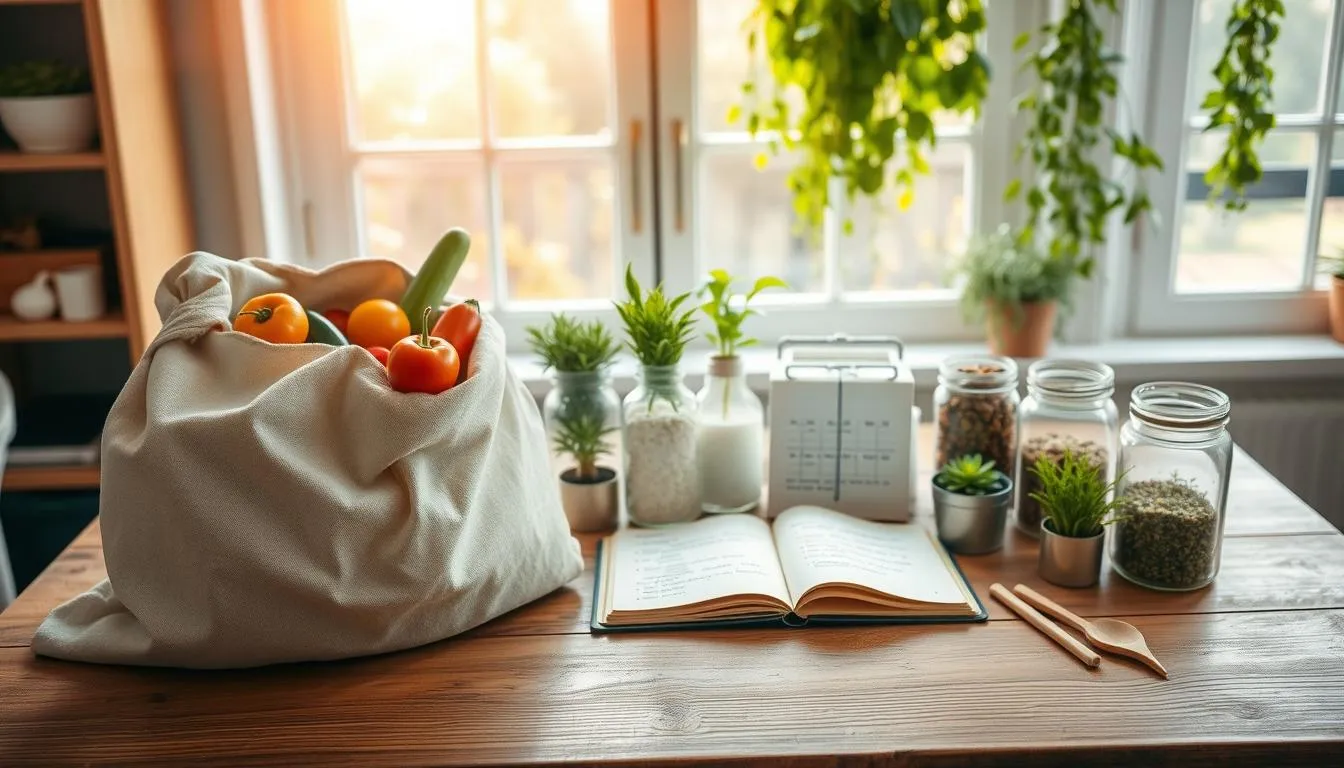
Tracking your progress is essential to staying motivated on your zero-waste journey. Keep a journal or use an app to monitor your waste reduction efforts. Celebrate your successes, no matter how small, and identify areas for improvement. As you continue on your path to a zero waste lifestyle, you’ll find that these habits become second nature, contributing to a more sustainable future.
Zero-Waste Kitchen Strategies
The journey to a zero-waste kitchen begins with understanding the impact of your daily habits and making a few simple changes. By adopting a few key strategies, you can significantly reduce waste and create a more sustainable cooking environment.
Plastic-Free Food Storage Solutions
One of the first steps to achieving a zero-waste kitchen is to eliminate plastic use. Consider switching to glass containers or beeswax wraps for storing food. These alternatives are not only better for the environment but also help keep your food fresh. For more ideas on reducing kitchen waste, check out this guide on steps to a zero-waste kitchen.
Meal Planning to Reduce Food Waste
Effective meal planning is crucial for reducing food waste. By planning your meals, you can avoid buying too much food that may go to waste. Start by tracking your food usage and identifying patterns in your cooking habits. This will help you create a more realistic meal plan and reduce the likelihood of food going bad.
Composting Basics for Any Living Situation
Composting is a valuable practice that turns food waste into nutrient-rich soil. Whether you live in a small apartment or a house, there are composting methods suitable for your situation. Consider using a bokashi bin for indoor composting or setting up an outdoor compost pile if you have the space. Composting not only reduces waste but also creates a valuable resource for your garden.
Bathroom and Personal Care Zero-Waste Solutions
Embracing zero-waste living tips can significantly impact your bathroom routine. By making a few simple changes, you can reduce waste and contribute to a more sustainable lifestyle.
Sustainable Toiletries and Alternatives
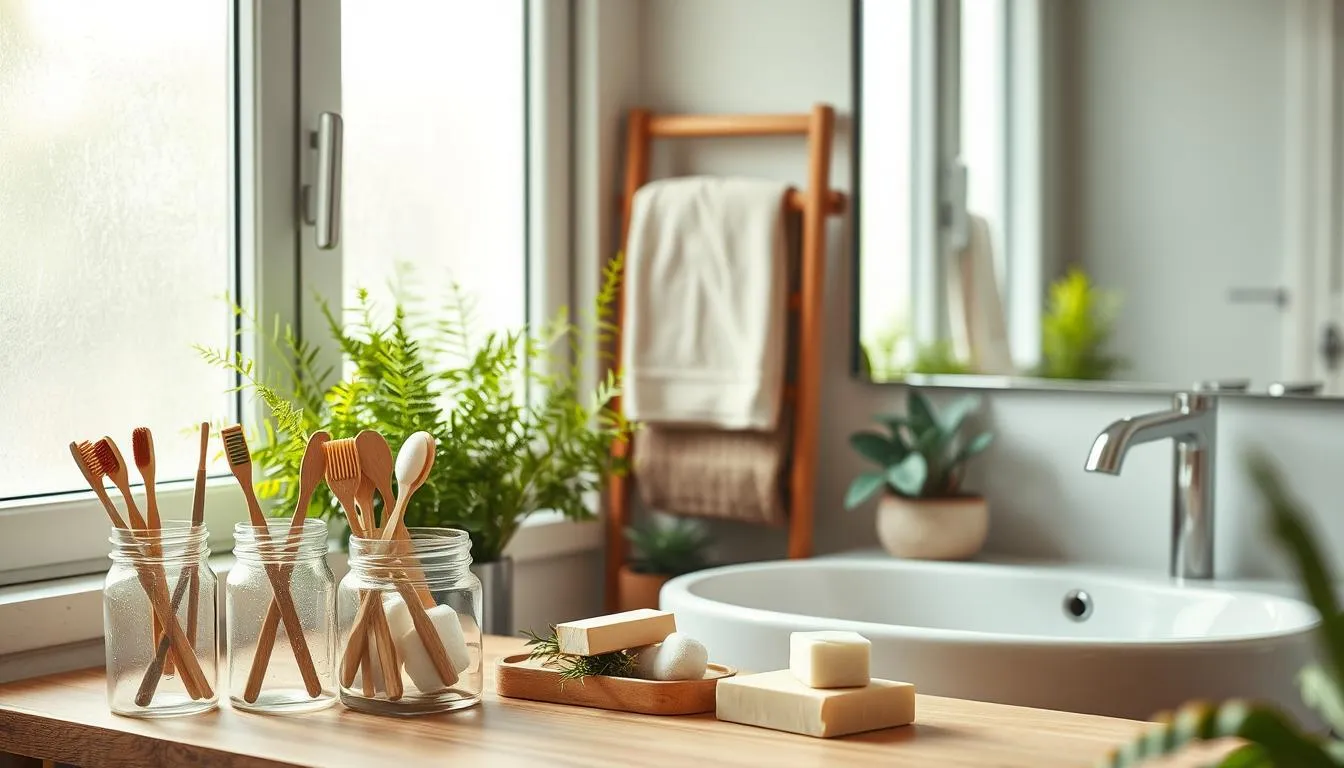
One of the first steps is to switch to sustainable toiletries. Consider alternatives like bar soap instead of bottled soap, and toothpaste tablets or powder instead of traditional toothpaste tubes. Many brands now offer package-free or minimally packaged options.
DIY Personal Care Products
Creating your own personal care products is another effective way to reduce waste. Simple recipes using natural ingredients like coconut oil, shea butter, and essential oils can replace many commercial products. This approach not only reduces packaging waste but also allows you to control what goes on your skin.
Water Conservation Techniques
Conserving water is an integral part of a zero-waste lifestyle. Simple actions like turning off the tap while brushing your teeth, using a low-flow showerhead, and fixing leaks can make a significant difference. Adopting these habits contributes to a more sustainable future.
By implementing these zero-waste living tips in your bathroom and personal care routines, you’re taking meaningful steps towards a more environmentally friendly lifestyle.
Zero-Waste Shopping and Consumption
Embracing zero-waste shopping is a crucial step towards a more sustainable lifestyle. This approach not only reduces waste but also promotes a more mindful and intentional way of consuming goods.
Bringing Your Own Containers and Bags
One of the simplest ways to start zero-waste shopping is by bringing your own containers and bags. Reusable bags, produce bags, and containers for bulk items can significantly reduce packaging waste.
Tips for Using Reusable Bags and Containers:
- Keep reusable bags in convenient locations, such as in your car or near your front door.
- Choose bags made from durable, sustainable materials.
- Use containers that are airtight and suitable for the items you plan to store.
Finding Package-Free Stores in Your Area
Supporting local stores that offer package-free options is a great way to promote zero-waste shopping. Many stores now offer bulk bins for grains, nuts, and other dry goods, allowing customers to fill their own containers.
| Store Type | Package-Free Options | Benefits |
|---|---|---|
| Bulk Stores | Grains, nuts, dried fruits | Reduces packaging waste |
| Zero-Waste Stores | Personal care products, cleaning supplies | Promotes sustainable living |
| Local Markets | Fresh produce, baked goods | Supports local economy |
Making mindful purchasing decisions is crucial to zero-waste shopping. This involves considering the necessity of a purchase, the packaging involved, and the product’s lifecycle.
Questions to Ask Before Making a Purchase:
- Do I really need this item?
- Is the product packaged sustainably?
- Can the product be reused or recycled?
By adopting these practices, consumers can significantly reduce their waste output and contribute to a more sustainable future.
Sustainable Cleaning in a Zero-Waste Home
Sustainable cleaning is an essential aspect of maintaining a zero-waste lifestyle. By adopting eco-friendly cleaning practices, you can significantly reduce your household’s environmental impact.
Natural Cleaning Ingredients That Work
Switching to natural cleaning ingredients is a great first step. Ingredients like baking soda, vinegar, and lemon juice are effective and environmentally friendly. They can be used for a variety of cleaning tasks, from scrubbing surfaces to removing stains.
Reusable Cleaning Tools
Using reusable cleaning tools is another crucial aspect of sustainable cleaning. Microfiber cloths and recyclable scrubbers can replace paper towels and disposable cleaning pads, reducing waste.
DIY Cleaning Solutions for Every Surface
Creating your own cleaning solutions can be cost-effective and environmentally friendly. For example, mixing baking soda and water creates a paste that can be used to clean sinks and countertops. You can also make an all-purpose cleaner by mixing vinegar and water in a spray bottle.
By incorporating these sustainable cleaning practices into your daily routine, you can maintain a clean home while supporting your zero-waste lifestyle and adopting valuable zero waste living tips.
Zero-Waste Wardrobe and Fashion
Embracing a zero-waste lifestyle extends to our wardrobe choices, influencing how we consume and interact with fashion. The way we approach our wardrobes can significantly impact the environment, from the production and distribution of clothing to its eventual disposal.

Sustainable Choices
Making sustainable clothing choices is a crucial step towards a zero-waste wardrobe. This involves opting for clothing made from sustainable materials, buying second-hand, and supporting brands that adopt environmentally friendly practices.
- Choose clothing made from organic or recycled materials.
- Consider the durability and quality of garments.
- Explore second-hand shopping or clothing swaps.
Repairing Garments
Extending the life of our garments through repair is another vital aspect. Simple actions like mending tears, replacing buttons, and altering clothes to fit better can significantly reduce waste.
“The most sustainable garment is the one you already own.”
Unknown
Ethical Fashion Resources
For those looking to adopt a more ethical and sustainable approach to fashion, there are numerous resources available. Brands that prioritize sustainability, transparency, and fair labor practices are leading the way.
| Brand | Sustainable Practice |
|---|---|
| Patagonia | Uses recycled materials in many products. |
| Reformation | Publishes detailed sustainability reports. |
Zero-Waste Living in Different Contexts
Zero-waste living is not limited to home; it can be applied in multiple settings. As individuals embrace the zero-waste lifestyle, they often find that it requires adapting to various environments and situations.
One of the challenges of zero-waste living is implementing its principles at work or school. Simple actions like using reusable containers for lunch, bringing refillable coffee cups, and opting for digital documents instead of printed ones can significantly reduce waste. For instance, a company that adopted a zero-waste policy saw a significant reduction in their office waste.
Zero-Waste at Work or School
To apply zero-waste principles in a professional or educational setting, start by assessing the current waste generation. Identify areas where changes can be made, such as switching to reusable products or eliminating single-use plastics. Encouraging colleagues or classmates to participate can also foster a culture of sustainability.
Traveling with Minimal Waste
Traveling can be a significant challenge for those committed to a zero-waste lifestyle. However, with some planning, it’s possible to maintain these habits on the go. Packing reusable bags, water bottles, and utensils can help reduce waste. Choosing destinations with robust recycling programs or minimal packaging can also support zero-waste travel.
“The greatest threat to our planet is the belief that someone else will save it.” - Robert Swan
Hosting Zero-Waste Events and Gatherings
When hosting events, there are several strategies to minimize waste. Using compostable or reusable servingware, encouraging guests to bring their own containers, and planning the menu to reduce food waste are effective zero waste living tips. Additionally, donating leftover food or composting it can further reduce the event’s environmental footprint.
| Context | Zero-Waste Strategies |
|---|---|
| At Work/School | Use reusable containers, digital documents, and refillable coffee cups |
| Traveling | Pack reusable bags, water bottles, and utensils; choose sustainable destinations |
| Hosting Events | Use compostable or reusable servingware, plan menu to reduce waste, donate leftovers |
Overcoming Common Zero-Waste Challenges
Adopting a zero-waste lifestyle requires more than just intention; it demands a comprehensive approach to overcoming everyday challenges. As individuals strive to reduce their environmental footprint, they often encounter obstacles that can hinder their progress.
Dealing with Convenience Culture
The prevalence of single-use products and packaging is a significant barrier to zero-waste living. To overcome this, individuals can adopt habits such as carrying reusable bags, containers, and water bottles. By doing so, they can significantly reduce their reliance on disposable items.
- Opt for products with minimal or biodegradable packaging.
- Choose items that are designed for reuse.
- Refuse single-use plastics and other disposable materials.
Managing Zero Waste with a Family
Implementing zero-waste practices in a household with multiple members can be challenging, but not impossible. It requires a collective effort and a well-planned strategy. For a successful transition, consider the following steps:
- Involve all family members in the decision-making process.
- Set realistic goals and track progress together.
- Identify areas where changes can be made, such as reducing food waste or using eco-friendly cleaning products.
Zero Waste on a Budget
A common misconception is that zero-waste living is expensive. However, with some planning and creativity, it’s possible to adopt a zero-waste lifestyle on a budget. For more detailed guidance, refer to the Zero Waste Roadmap, which provides actionable steps and strategies for achieving zero waste without breaking the bank.
Affordable Swaps
Making affordable swaps is a crucial step in zero-waste living on a budget. This can include switching from disposable razors to safety razors, or from paper towels to cloth towels.
Long-Term Cost Benefits
While some initial investments may be required, the long-term cost benefits of zero-waste living can be substantial. For instance, reducing waste can lead to lower waste disposal costs and savings from buying in bulk.
Conclusion: Your Zero-Waste Journey
Embarking on a zero-waste lifestyle is a journey, not a destination. It’s about making sustainable choices that reduce your environmental footprint. By implementing zero waste living tips, you can significantly impact the planet.
Adopting a zero-waste lifestyle requires patience, persistence, and a willingness to learn and adapt. Start by making small changes and gradually work your way up to more significant adjustments. Every step counts, and every reduction in waste contributes to a more sustainable future.
As you continue on your zero-waste journey, remember that it’s not about being perfect; it’s about progress. By embracing a zero-waste lifestyle, you’re not only reducing your waste but also inspiring others to do the same. Together, we can create a more sustainable world, one small step at a time.
FAQ
What is zero-waste living, and how can I start?
Zero-waste living is a lifestyle that aims to minimize waste by adopting practices such as reducing consumption, reusing items, and recycling. To start, you can begin by conducting a waste audit, setting realistic goals, and making initial zero-waste swaps, such as switching to reusable bags and containers.
How can I make my kitchen zero-waste?
To make your kitchen zero-waste, you can adopt strategies such as meal planning to reduce food waste, using plastic-free food storage solutions, and composting food scraps. You can also consider using reusable containers, beeswax wraps, and shopping in bulk.
What are some zero-waste bathroom and personal care solutions?
For a zero-waste bathroom, consider using sustainable toiletries, such as soap bars and bamboo toothbrushes, and making your own DIY personal care products. You can also adopt water conservation techniques, like turning off the tap while brushing your teeth.
How can I practice zero-waste shopping?
To practice zero-waste shopping, bring your own containers and bags, buy in bulk, and choose products with minimal or biodegradable packaging. You can also look for package-free stores in your area and make mindful purchasing decisions.
Is zero-waste living expensive?
While some zero-waste swaps may require an initial investment, many zero-waste practices can save you money in the long run. For example, buying in bulk, reducing food waste, and using reusable products can be cost-effective. You can also make affordable swaps, such as using rags instead of paper towels.
How can I maintain a zero-waste lifestyle on a budget?
To maintain a zero-waste lifestyle on a budget, focus on making affordable swaps, such as using reusable bags and containers, and shopping second-hand. You can also prioritize long-term cost benefits, like saving money on waste disposal and reducing your consumption.
Can I practice zero-waste living with a family?
Yes, zero-waste living can be practiced with a family. Involve your family members in the process, set realistic goals together, and make it a fun, collaborative effort. You can also adapt zero-waste practices to suit your family’s needs and lifestyle.
How can I track my progress in zero-waste living?
To track your progress, you can keep a waste journal, monitor your waste reduction, and set achievable milestones. You can also use apps or spreadsheets to track your progress and stay motivated.