Examining the Impact of Climate Change on Biodiversity
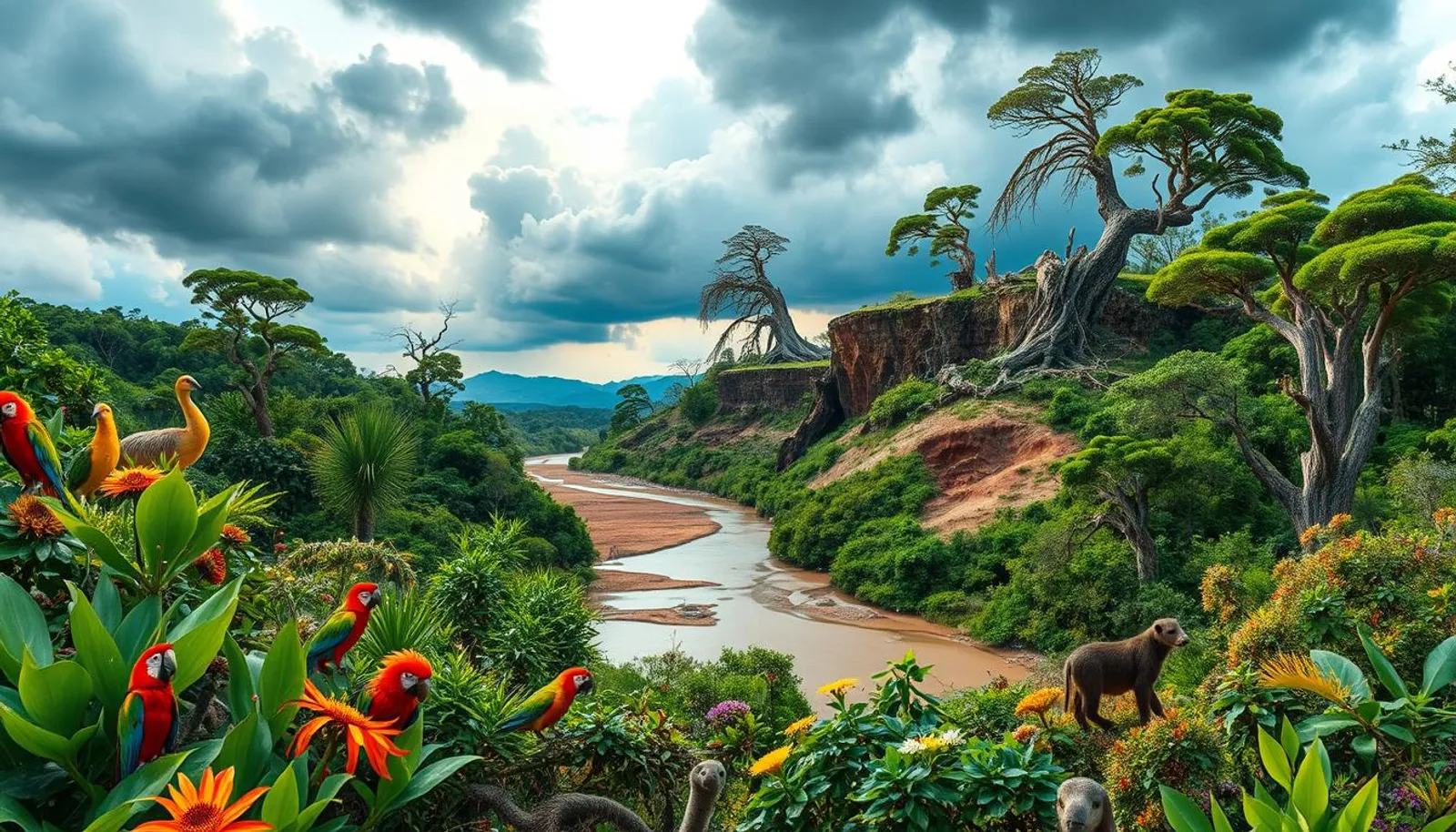
Biodiversity loss is accelerating at an alarming rate, threatening the very foundation of life on Earth. The natural world is facing unprecedented challenges, and understanding the state of global biodiversity is crucial for developing effective conservation strategies.

16 min read
The relationship between climate change and biodiversity loss is a pressing concern. As global temperatures rise, ecosystems are being disrupted, leading to a decline in wildlife diversity. Research has shown that species distribution shifts and phenological changes are just a few indicators of the far-reaching impact of climate change on biodiversity.
Understanding this complex relationship is crucial for developing effective conservation strategies. The consequences of inaction could be severe, with potential losses in ecosystem services and wildlife diversity.
Key Takeaways
- The impact of climate change on biodiversity is multifaceted and far-reaching.
- Rising temperatures are causing species distribution shifts and phenological changes.
- Ecosystem disturbances, such as wildfires and pest outbreaks, are increasing in frequency and severity.
- Temperate zones are experiencing significant distribution shifts and phenological changes.
- Understanding the relationship between climate change and biodiversity loss is crucial for conservation efforts.
The Alarming State of Global Biodiversity
Biodiversity loss is accelerating at an alarming rate, threatening the very foundation of life on Earth. The natural world is facing unprecedented challenges, and understanding the state of global biodiversity is crucial for developing effective conservation strategies.
How We Measure Biodiversity Today
Measuring biodiversity involves assessing the variety of species, ecosystems, and genes within a given area. Today, scientists use a range of indicators, including species population trends, habitat extent and condition, and the **
Red List Index** to track changes in biodiversity. These metrics provide a comprehensive picture of the health of ecosystems worldwide.
Current Trends in Species Decline
Species decline is a critical indicator of biodiversity loss. According to recent studies, many species are experiencing significant declines in population due to habitat destruction, climate change, and other human activities. For instance, a report by NatureServe highlights that over one-third of biodiversity in the United States is at risk of disappearing.
| Indicator | Current Trend | Projected Change by 2050 |
|---|---|---|
| --- | --- | --- |
| Species Population | Declining | -30% |
| Habitat Extent | Reducing | -25% |
| Red List Index | Deteriorating | -40% |
The rate of extinction is accelerating at an unprecedented pace, with many species facing the threat of extinction due to climate change, habitat loss, and other human-induced pressures. **
The current rate of extinction is estimated to be 100 to 1,000 times higher than the natural rate**, emphasizing the urgent need for biodiversity and climate action to protect vulnerable species and ecosystems.
Understanding these trends is crucial for protecting biodiversity and mitigating the impacts of climate change. By taking concerted action, we can work towards preserving the natural world for future generations.
Understanding Climate Change Biodiversity Effects
Understanding the effects of climate change on biodiversity is crucial for developing effective conservation strategies. Climate change is altering ecosystems, disrupting species interactions, and leading to a decline in biodiversity.
Direct Mechanisms of Climate Impact on Wildlife
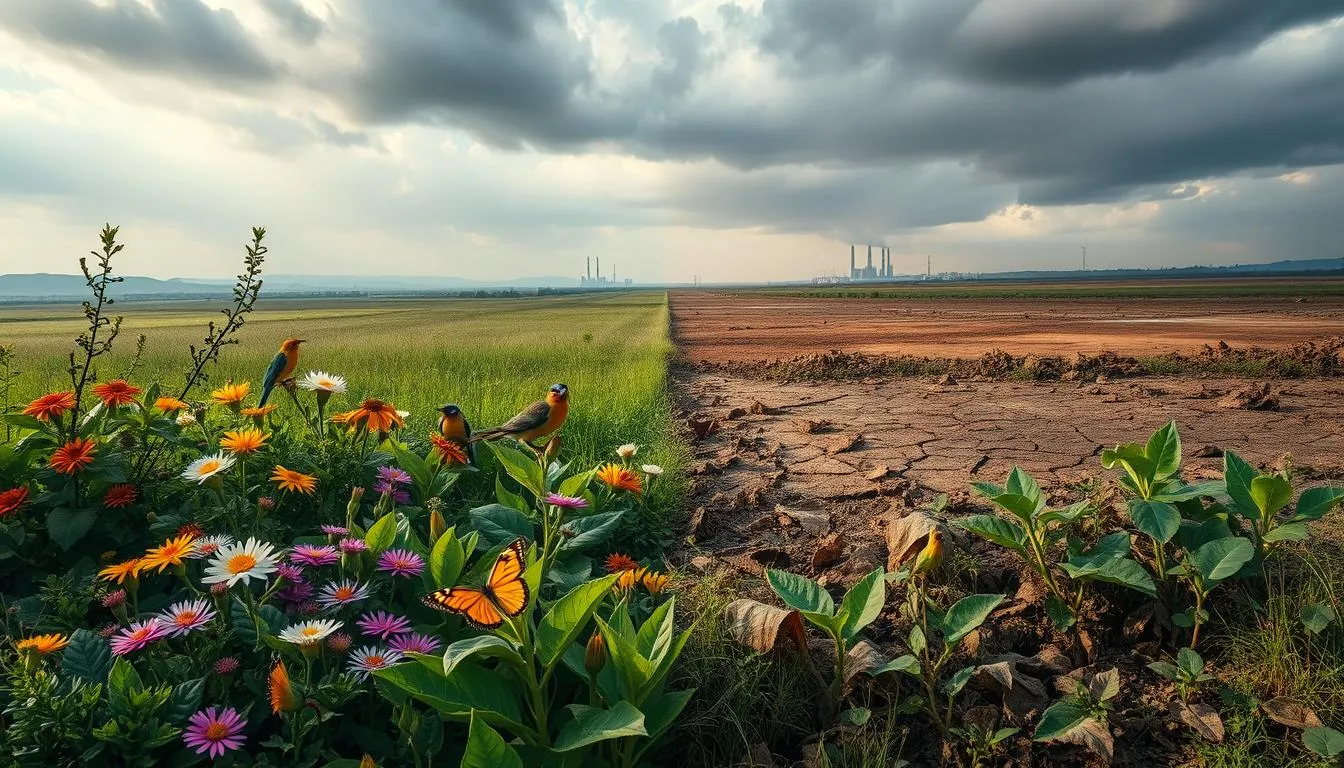
Climate change affects wildlife directly through changes in temperature and precipitation patterns, leading to habitat disruption and altered migration patterns. Rising temperatures are causing many species to shift their ranges poleward or to higher elevations.
Timeframes of Observable Changes
Observable changes in biodiversity due to climate change can occur over various timeframes. Some changes, such as shifts in phenology, can be observed over a few decades, while others, like species extinctions, may take centuries to manifest fully.
Distinguishing Climate Effects from Other Threats
Distinguishing the impacts of climate change from other threats to biodiversity, such as habitat destruction and pollution, is challenging. A comprehensive approach, considering multiple factors and using long-term data, is necessary to understand the role of climate change in biodiversity decline.
| Threat | Impact on Biodiversity | Timeframe |
|---|---|---|
| --- | --- | --- |
| Climate Change | Habitat disruption, altered migration patterns | Decades to centuries |
| Habitat Destruction | Loss of habitat, population decline | Immediate to decades |
| Pollution | Toxic effects, habitat degradation | Immediate to centuries |
As global temperatures continue to rise, the effects on habitats and species are becoming more pronounced. Temperature changes are altering the delicate balance of ecosystems, leading to disruptions that can have far-reaching consequences for biodiversity. Understanding these changes is crucial for developing effective strategies to protect and preserve ecosystems.
Shifting Habitat Ranges and Migration Patterns
Rising temperatures are causing many species to shift their habitat ranges poleward or to higher elevations in search of cooler climates. This can lead to changes in community composition and alter the dynamics of ecosystems. For example, some bird species are migrating earlier in the spring, potentially disrupting their synchronization with food sources.
Thermal Stress on Temperature-Sensitive Species
Temperature-sensitive species, such as corals and certain fish, are particularly vulnerable to thermal stress. When temperatures exceed their tolerance thresholds, it can lead to coral bleaching or other stress responses. This can have cascading effects on the ecosystems they inhabit, potentially leading to reduced biodiversity and ecosystem resilience.
To illustrate the impact of temperature changes on different species, consider the following table:
| Species | Habitat | Impact of Temperature Change |
|---|---|---|
| --- | --- | --- |
| Corals | Reef ecosystems | Coral bleaching due to thermal stress |
| Migratory birds | Varied, including forests and grasslands | Disrupted migration patterns and synchronization with food sources |
| Temperature-sensitive fish | Freshwater and marine ecosystems | Thermal stress leading to reduced populations |
Rising Sea Levels and Coastal Ecosystems
Rising sea levels pose a significant threat to the world’s coastal ecosystems, affecting biodiversity and habitat stability. As sea levels continue to rise, the consequences for these sensitive environments are far-reaching.
Threats to Mangroves and Wetlands
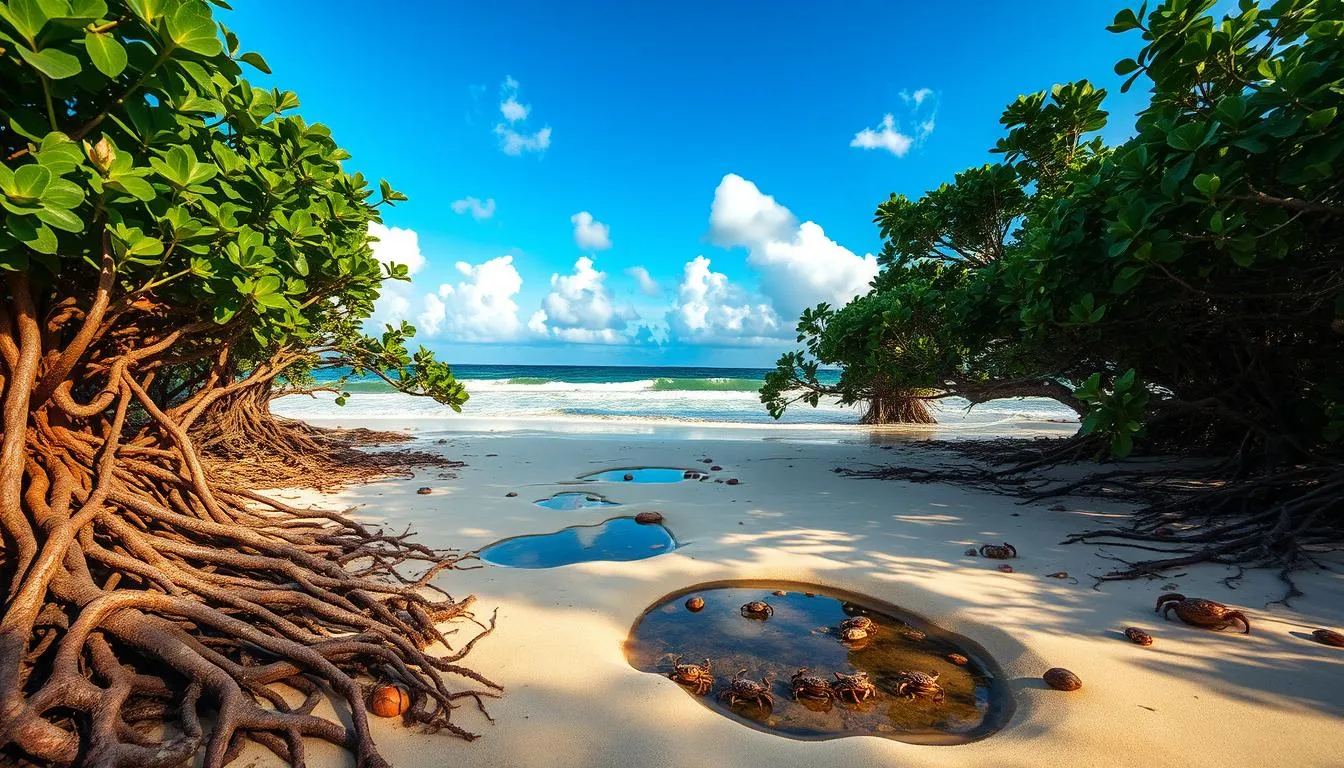
Mangroves and wetlands are crucial coastal ecosystems that provide vital habitats for numerous species. However, they are under threat from rising sea levels, which can lead to erosion and habitat loss. A study published on PMC highlights the importance of preserving these ecosystems.
Impacts on Marine Biodiversity
The rise in sea levels not only affects coastal ecosystems but also has a ripple effect on marine biodiversity. Changes in water temperature and salinity can impact marine life, leading to a decline in species diversity. Some of the key impacts include:
- Loss of habitat for marine species
- Changes in migration patterns
- Increased vulnerability to invasive species
America’s Vulnerable Coastlines
The coastline of America is particularly vulnerable to the effects of rising sea levels. With extensive coastlines along both the Atlantic and Pacific Oceans, the impact on local ecosystems and communities can be significant. It’s essential to understand these impacts to develop effective conservation strategies.
Extreme Weather Events and Wildlife Diversity
The increasing frequency of extreme weather events poses a substantial threat to global biodiversity. These events, ranging from droughts and wildfires to floods and hurricanes, have devastating effects on ecosystems, leading to habitat destruction and disruption of delicate balances within wildlife populations.
Droughts, Wildfires, and Habitat Destruction
Droughts and wildfires are closely linked, with the former often exacerbating the severity of the latter. **
Wildfires destroy habitats**, leaving many species without shelter or food. For instance, the 2019-2020 Australian bushfires burned over 10 million hectares of land, affecting countless native species. Such events underscore the need for biodiversity and climate action to mitigate these impacts.
Floods, Hurricanes, and Ecosystem Disruption
Floods and hurricanes can be equally destructive, causing widespread ecosystem disruption. These events can lead to loss of biodiversity as species are displaced or face increased competition for limited resources. For example, hurricanes can devastate coral reefs, which are crucial for marine biodiversity. **
Protecting biodiversity** in the face of such events requires adaptive conservation strategies and robust climate action.
In conclusion, the impact of extreme weather events on wildlife diversity is profound and far-reaching. It is crucial that we take concerted action to protect biodiversity and address the root causes of these events through climate action.
Climate Change Impacts on Key Ecosystems
As climate change accelerates, its effects on critical ecosystems such as coral reefs, Arctic environments, and forests are becoming increasingly evident. These ecosystems are not only crucial for maintaining biodiversity but also play significant roles in regulating the climate.
Coral Reefs and Ocean Acidification
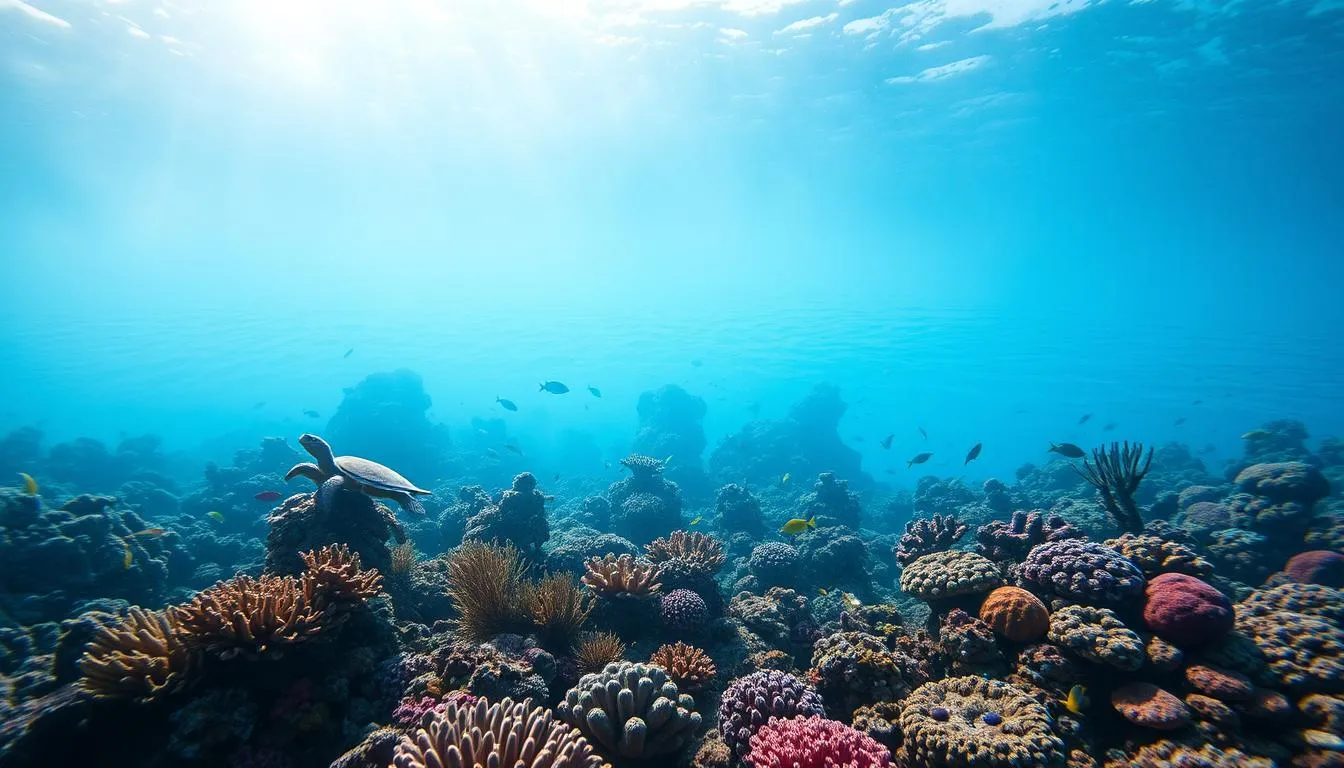
Coral reefs, often referred to as the “rainforests of the sea,” are facing unprecedented threats due to ocean acidification and rising sea temperatures. The increased CO2 levels in the atmosphere lead to higher CO2 absorption by oceans, causing acidification that hampers coral’s ability to build their skeletons and maintain their structure. **
This not only affects corals but also the diverse marine life that depends on them
Arctic and Alpine Environments
Arctic and alpine ecosystems are warming at a rate faster than many other regions on Earth, leading to rapid habitat loss for species adapted to these cold environments. The melting of permafrost and changes in snow cover duration and depth have significant implications for plants and animals that call these regions home. **
The consequences include shifts in species distributions and, potentially, extinctions**.
Forests, Grasslands, and Carbon Sinks
Forests and grasslands are vital carbon sinks that help mitigate the effects of climate change by absorbing CO2 from the atmosphere. However, climate change is altering the health and distribution of these ecosystems. Droughts, fires, and changing precipitation patterns can weaken these ecosystems, reducing their capacity to act as carbon sinks. This creates a feedback loop that exacerbates climate change.
Biodiversity Hotspots Under Threat in the United States
From the Everglades to the Great Lakes, climate change is putting U.S. biodiversity hotspots at risk. The United States is home to a wide range of ecosystems that support a vast array of plant and animal species. However, these ecosystems are facing significant threats due to rising temperatures, changing precipitation patterns, and increased frequency of extreme weather events.
The Everglades and Southeastern Coastal Areas
The Everglades, a unique and fragile ecosystem, is particularly vulnerable to climate change. Rising sea levels and increased saltwater intrusion are threatening the freshwater habitats that support numerous species, including the endangered **
Wood Stork* and Florida Panther*. Conservation efforts, such as those outlined in the IPCC report, are crucial for protecting this biodiversity hotspot.
Western Forests and Mountain Ecosystems
Western forests and mountain ecosystems are also under threat. Changes in temperature and precipitation patterns are altering the distribution of tree species and increasing the risk of wildfires. For example, the **
Yosemite National Park** is experiencing shifts in its forest composition, with some species moving to higher elevations in response to warming temperatures.
Great Lakes Region and Freshwater Biodiversity
The Great Lakes region is another critical biodiversity hotspot. Climate change is affecting the water levels and quality of the Great Lakes, which in turn impacts the freshwater species that depend on them. For instance, changes in water temperature are altering the habitats of fish species such as the **
Yellow Perch* and Walleye*. Conservation strategies, including reducing nutrient runoff and protecting habitats, are essential for maintaining the health of these ecosystems.
| Biodiversity Hotspot | Threats | Conservation Strategies |
|---|---|---|
| --- | --- | --- |
| The Everglades | Rising sea levels, saltwater intrusion | Restoration projects, habitat protection |
| Western Forests | Wildfires, changes in tree species distribution | Prescribed burning, reforestation efforts |
| Great Lakes Region | Changes in water levels and quality | Reducing nutrient runoff, habitat protection |
Economic and Social Consequences of Biodiversity Loss
The impact of biodiversity loss extends beyond the natural world, influencing economic stability and social welfare. As ecosystems deteriorate, the services they provide, such as clean water and air, soil formation, and climate regulation, become compromised.
Impacts on Agriculture and Food Security
The decline in biodiversity can lead to reduced crop yields and decreased agricultural productivity. This is because many crops rely on pollinators and other biodiversity components for their reproduction. With pollinator populations declining, the economic impact on agriculture can be significant, affecting food security and farmers’ livelihoods.
Health Implications and Ecosystem Services
Biodiversity loss has direct and indirect implications for human health. Ecosystems provide essential services, including water purification and air quality maintenance. The degradation of these services can lead to increased incidence of diseases and other health issues. Moreover, biodiversity is a source of new medicines and treatments, with many yet to be discovered.
Cultural and Recreational Value of Biodiversity
Biodiversity also has significant cultural and recreational value. Natural areas provide opportunities for tourism and recreation, supporting local economies. Moreover, many cultures around the world have spiritual connections to specific species or ecosystems, making biodiversity loss a threat to cultural heritage.
Conservation Strategies and Climate Action
Addressing the biodiversity crisis requires a multifaceted approach that includes both conservation strategies and climate action. Effective conservation is crucial in mitigating the impacts of climate change on biodiversity.
Protected Areas and Wildlife Corridors
Establishing protected areas and wildlife corridors is a key conservation strategy. These areas provide safe habitats for species to thrive and adapt to changing climate conditions. The United Nations emphasizes the importance of protected areas in maintaining biodiversity.
Assisted Migration and Ex-Situ Conservation
Assisted migration and ex-situ conservation are innovative strategies to help species survive in a changing climate. These methods involve relocating species to more suitable habitats or conserving them outside their natural habitats.
Integrating Biodiversity into Climate Planning
Integrating biodiversity considerations into climate planning is essential for effective conservation. This involves assessing the potential impacts of climate change on biodiversity and developing strategies to mitigate these impacts.
| Conservation Strategy | Description | Benefits |
|---|---|---|
| --- | --- | --- |
| Protected Areas | Safe habitats for species | Preserves biodiversity, supports ecosystem services |
| Assisted Migration | Relocating species to suitable habitats | Helps species adapt to climate change |
| Climate Planning | Integrating biodiversity into climate policies | Enhances conservation effectiveness |
Protecting Biodiversity: What You Can Do
As individuals, we have the power to make a difference in protecting biodiversity. The cumulative effect of our daily choices can significantly impact the health of our planet’s ecosystems. By making conscious decisions, we can contribute to mitigating the climate change biodiversity effects.
Reducing Your Carbon Footprint
One of the most effective ways to help protect biodiversity is by reducing our carbon footprint. Simple actions like using public transport, carpooling, or driving electric vehicles can make a significant difference. Additionally, reducing energy consumption at home by using energy-efficient appliances and turning off lights when not in use can help.
- Use public transport or carpool
- Drive electric or hybrid vehicles
- Reduce energy consumption at home
Supporting Conservation Organizations
Supporting conservation organizations is another impactful way to contribute to biodiversity protection. These organizations work tirelessly to preserve habitats, protect endangered species, and promote sustainable practices. Donating to or volunteering with reputable organizations can amplify their efforts.
Community and Citizen Science Initiatives
Participating in community and citizen science initiatives is a great way to get involved locally. Activities such as bird counts, habitat restoration projects, and invasive species monitoring not only contribute to scientific research but also foster community engagement in biodiversity conservation.
Conclusion: The Future of Biodiversity in a Warming World
As we face the escalating threat of climate change, the impact on wildlife diversity becomes increasingly evident. Rising temperatures, extreme weather events, and disrupted habitats all contribute to a concerning decline in global biodiversity.
**
Biodiversity and climate action** are intricately linked, and addressing one requires consideration of the other. By understanding the effects of climate change on ecosystems and species, we can develop effective conservation strategies to mitigate these impacts.
The future of biodiversity depends on our collective actions. By reducing our carbon footprint, supporting conservation efforts, and promoting sustainable practices, we can work towards preserving the natural world for future generations.
**
Protecting biodiversity** is not just an environmental issue; it’s a matter of human well-being and economic stability. As we move forward, it’s essential to integrate biodiversity into climate planning and action, ensuring a resilient and thriving planet.
FAQ
What is the impact of climate change on biodiversity?
Climate change affects biodiversity by altering ecosystems, disrupting species habitats, and changing migration patterns, leading to a loss of species and ecosystem disruption.
How does rising sea levels affect coastal ecosystems?
Rising sea levels threaten coastal ecosystems, including mangroves and wetlands, by causing erosion, flooding, and saltwater intrusion, which can lead to the loss of habitat for various species.
What are the effects of extreme weather events on wildlife diversity?
Extreme weather events, such as droughts, wildfires, floods, and hurricanes, can lead to habitat destruction, disrupt ecosystems, and cause population decline or even extinction of certain species.
How can we protect biodiversity in the face of climate change?
**
Protecting biodiversity** requires a multi-faceted approach, including establishing protected areas, implementing assisted migration and ex-situ conservation, and integrating biodiversity into climate planning to mitigate the effects of climate change.
What can individuals do to help protect biodiversity?
Individuals can contribute to protecting biodiversity by reducing their carbon footprint, supporting conservation organizations, and participating in community and citizen science initiatives.
Why is biodiversity important for human well-being?
Biodiversity is crucial for human well-being as it provides ecosystem services, including clean air and water, soil formation, and climate regulation, as well as supporting agriculture and food security.
How does biodiversity loss affect the economy?
Biodiversity loss can have significant economic impacts, including effects on agriculture, forestry, and fisheries, as well as impacts on tourism and recreation, ultimately affecting human livelihoods and economic stability.
What are some key ecosystems that are vulnerable to climate change?
Key ecosystems vulnerable to climate change include coral reefs, Arctic and alpine environments, forests, and grasslands, which provide important ecosystem services and support a wide range of biodiversity.