Exploring the Future of Sustainable Food Systems
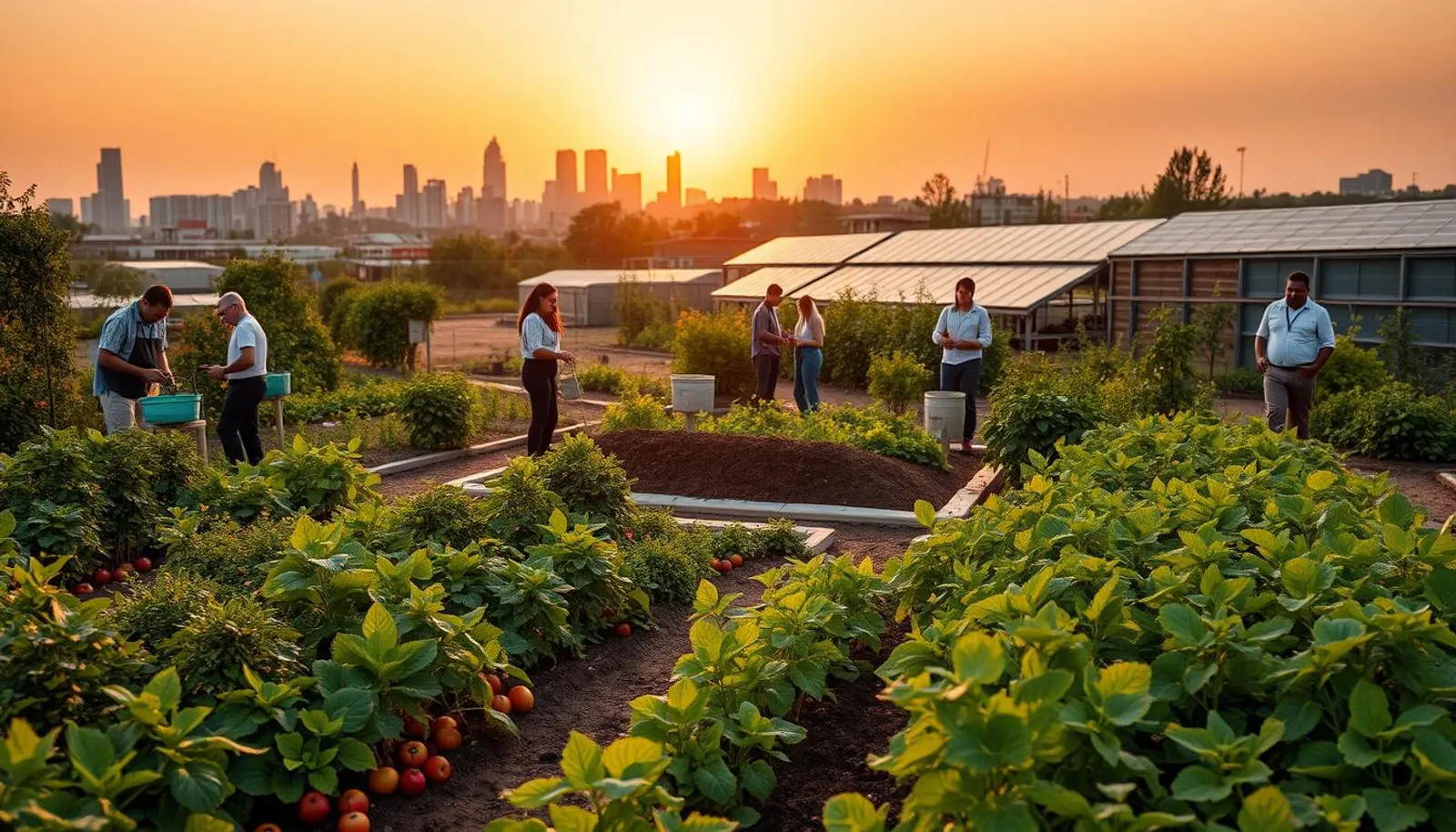
The global food system is at a critical juncture, facing numerous challenges that impact its sustainability and equity. The way we produce, distribute, and consume food is under scrutiny due to its significant environmental footprint and social implications.

18 min read
The world is facing an unprecedented challenge: feeding a projected 9.7 billion people by 2050 while mitigating environmental impacts. As the global population grows, food production must increase by approximately 70% to meet demand. This necessitates a transformation in how we produce, process, and consume food.
New practices and technologies are being explored to achieve sustainable food systems. According to a recent study published on Nature, innovative approaches such as edible insects, seaweeds, and lab-cultured meats are being considered. Enabling technologies like blockchain, biotechnology, and smart farming are also being leveraged to enhance sustainability.
Key Takeaways
- Increasing food production by 70% by 2050 is crucial to meet demand.
- New practices and technologies are being explored to achieve sustainable food systems.
- Enabling technologies like blockchain and biotechnology are enhancing sustainability.
- Innovative approaches such as edible insects and lab-cultured meats are being considered.
- **
Sustainable food systems** are critical for mitigating environmental impacts.
The Current State of Global Food Systems
The global food system is at a critical juncture, facing numerous challenges that impact its sustainability and equity. The way we produce, distribute, and consume food is under scrutiny due to its significant environmental footprint and social implications.
Environmental Challenges in Modern Agriculture
Modern agriculture faces significant environmental challenges, including resource depletion, climate change, and biodiversity loss. These issues are interlinked and can have far-reaching consequences on food security and sustainability.
Resource Depletion and Climate Impact
The intensive use of natural resources in agriculture leads to their depletion. For instance, over-extraction of water for irrigation purposes can deplete groundwater levels, affecting both the environment and human consumption. Moreover, agriculture is a significant contributor to greenhouse gas emissions, primarily due to the use of fertilizers and livestock production.
Chemical Inputs and Biodiversity Loss
The widespread use of chemical inputs in agriculture, such as pesticides and fertilizers, has led to biodiversity loss. These chemicals can contaminate soil, water, and air, affecting ecosystems and wildlife. Promoting eco-friendly agriculture practices can mitigate these impacts.
Social and Economic Impacts of Current Food Production
The current food production system also has significant social and economic impacts. Issues such as food insecurity, unequal access to nutritious food, and economic challenges for small farmers are prevalent.
Food Insecurity and Access Issues
Despite global food production being sufficient to feed the world’s population, food insecurity remains a significant issue. Factors such as poverty, conflict, and climate change can limit access to food, particularly in vulnerable communities.
Economic Challenges for Small Farmers
Small-scale farmers face numerous economic challenges, including low market prices, high production costs, and limited access to credit. Supporting these farmers through sustainable practices and fair trade can enhance their resilience and contribute to food sustainability trends.
| Challenge | Impact | Potential Solution |
|---|---|---|
| --- | --- | --- |
| Resource Depletion | Water scarcity, soil degradation | Sustainable water management, crop rotation |
| Chemical Inputs | Biodiversity loss, pollution | Organic farming, integrated pest management |
| Food Insecurity | Malnutrition, health issues | Support for small farmers, food aid programs |
The future of food production hinges on our ability to adopt sustainable practices that balance environmental, social, and economic needs. **
Sustainable food systems** are not just a desirable goal but a necessity for ensuring global food security and mitigating the environmental impacts of agriculture.
Defining Sustainability in Food Production
Sustainability in food production encompasses a broad range of practices aimed at maintaining the health of the environment, supporting local economies, and promoting social equity. It’s about producing food in a way that is environmentally friendly, socially just, and economically viable.
The Three Pillars: Environmental, Social, and Economic
The three pillars of sustainability are environmental stewardship, social responsibility, and economic viability. Environmental stewardship involves practices that protect natural resources and biodiversity. Social responsibility focuses on fair labor practices and community development. Economic viability ensures that food production is profitable and sustainable in the long term.
Measuring Food System Sustainability
Measuring the sustainability of food systems involves assessing their environmental impact, social equity, and economic performance. This can be done through various indicators, such as greenhouse gas emissions, water usage, labor rights, and farm profitability.
Key Principles of Sustainable Food Systems
Sustainable food systems are guided by several key principles, including resilience, adaptability, equity, and inclusivity. These principles help ensure that food systems can withstand challenges like climate change and economic shocks.
Resilience and Adaptability
**
Resilience** refers to the ability of food systems to withstand and recover from disruptions. **
Adaptability** involves the capacity to adjust to changing conditions, such as climate change or market fluctuations. Together, these qualities help ensure the long-term sustainability of food production.
Equity and Inclusivity
**
Equity** and inclusivity are crucial for ensuring that the benefits and costs of food production are distributed fairly. This includes fair prices for producers, access to healthy food for consumers, and equitable labor practices. By prioritizing equity and inclusivity, we can create more just and sustainable food systems.
Technological Innovations Reshaping Food Production
Innovations in technology are transforming the agricultural landscape, paving the way for a more sustainable food system. As the global population continues to grow, the need for efficient, eco-friendly agricultural practices becomes increasingly important. Technological advancements are playing a crucial role in addressing these challenges.
Precision Agriculture and Smart Farming
Precision agriculture and smart farming are revolutionizing the way farmers cultivate crops. By leveraging advanced technologies such as IoT devices, GPS, and data analytics, farmers can optimize crop yields, reduce waste, and minimize environmental impact.
IoT and AI in Farming
The integration of IoT and AI in farming enables real-time monitoring of crop health, soil moisture, and weather conditions. This data-driven approach allows farmers to make informed decisions, improving crop productivity and reducing the use of resources such as water and fertilizers.
Data-Driven Resource Management
Data-driven resource management is a key aspect of precision agriculture. By analyzing data from various sources, farmers can optimize the use of resources, reduce costs, and minimize environmental degradation. As noted in a report on sustainable agriculture practices, “the use of data analytics in farming can lead to significant improvements in efficiency and productivity” (TBS Report on Sustainable Agriculture).
Vertical Farming and Urban Agriculture
Vertical farming and urban agriculture are emerging as innovative solutions to the challenges of traditional farming. These methods involve growing crops in vertically stacked layers, often in urban environments, to increase food production while minimizing land use.
Controlled Environment Agriculture
Controlled Environment Agriculture (CEA) is a key component of vertical farming. CEA involves controlling factors such as temperature, humidity, and light to create optimal growing conditions. This approach can significantly improve crop yields and reduce the need for pesticides and herbicides.
Reducing Food Miles and Transportation Emissions
By locating farms in urban areas, vertical farming and urban agriculture can reduce “food miles” and lower transportation emissions. According to a study, “urban agriculture can reduce carbon emissions by minimizing the distance between the farm and the consumer.”
Cellular Agriculture and Lab-Grown Foods
Cellular agriculture and lab-grown foods represent another frontier in sustainable food production. These technologies involve growing animal products such as meat and dairy in controlled environments, reducing the need for animal farming.
Cultured Meat Technology
Cultured meat technology is gaining traction as a sustainable alternative to traditional livestock farming. By producing meat in bioreactors, the environmental impact of meat production can be significantly reduced.
Environmental Benefits and Challenges
While cellular agriculture offers several environmental benefits, including reduced greenhouse gas emissions and lower land use, it also faces challenges such as high production costs and consumer acceptance. As the technology advances, it is likely to become a significant player in the future of food production.
Regenerative Agriculture: Beyond Sustainability
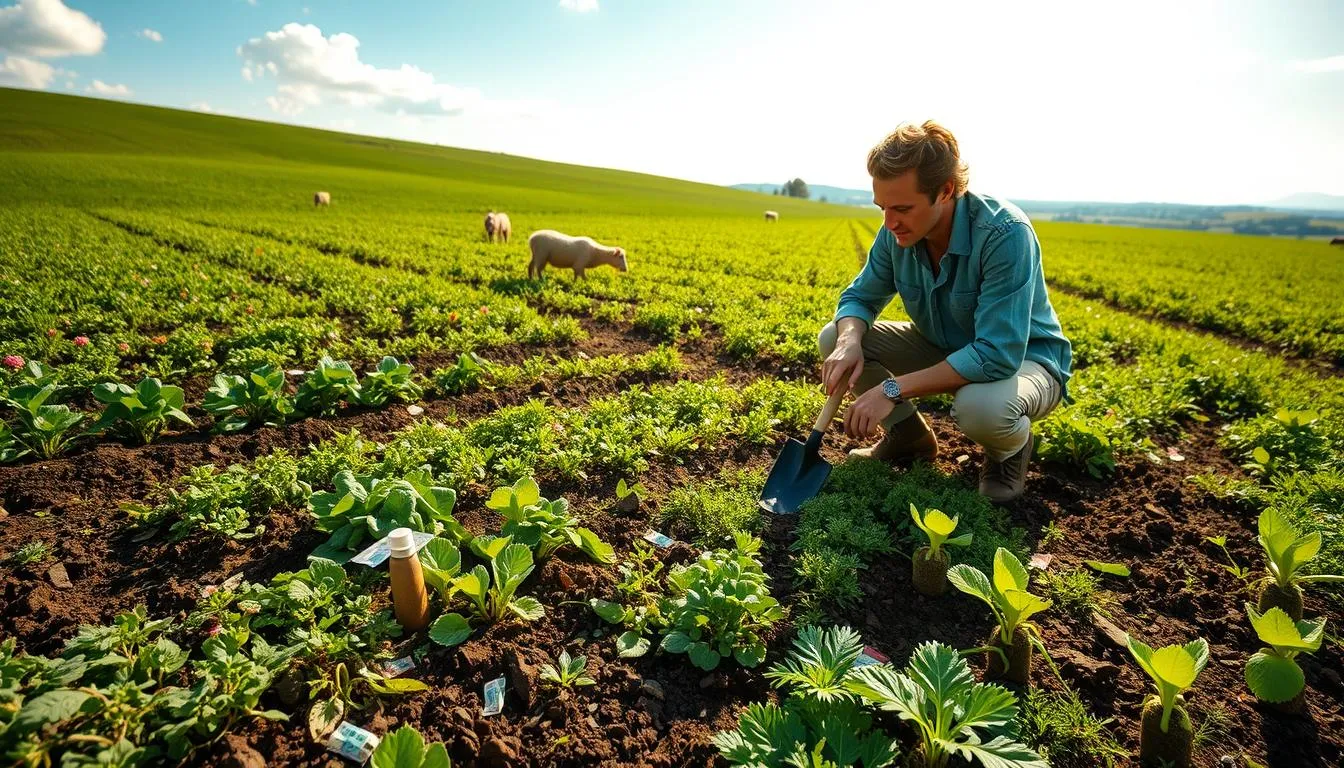
Regenerative agriculture represents a significant shift in how we approach food production, moving beyond mere sustainability to actively regenerate the health of our soils, ecosystems, and communities. This approach is gaining traction globally as a critical strategy for addressing the challenges of climate change, environmental degradation, and social inequality in food systems.
Soil Health and Carbon Sequestration
One of the core principles of regenerative agriculture is improving soil health, which in turn enhances carbon sequestration. Practices such as no-till farming and cover cropping help reduce soil disturbance, increase organic matter, and promote soil biota.
No-Till Farming Practices
No-till farming minimizes soil disturbance, preserving soil organic matter and reducing erosion. This practice not only improves soil health but also decreases the carbon footprint of farming operations. For more detailed information on the benefits of no-till farming, refer to resources like the Regenerative Agriculture Report.
Cover Cropping and Crop Rotation
Cover cropping and crop rotation are essential for maintaining soil fertility and structure. These practices help in reducing pests and diseases, improving nutrient cycling, and enhancing biodiversity. By adopting cover crops, farmers can also improve water retention and reduce soil erosion.
Biodiversity Conservation in Food Production
Regenerative agriculture also emphasizes the importance of biodiversity conservation. By promoting polyculture and agroforestry systems, farmers can enhance ecosystem services, improve resilience to climate change, and increase the variety of crops and livestock.
Polyculture and Agroforestry Systems
Polyculture involves growing multiple crops together, mimicking natural ecosystems. This approach can improve soil health, reduce pest pressure, and increase biodiversity. Agroforestry systems integrate trees into agricultural landscapes, providing shade, improving soil health, and creating habitat for wildlife.
Beneficial Insects and Natural Pest Management
Regenerative agriculture promotes the use of beneficial insects and natural pest management strategies. By creating habitats for beneficial insects, farmers can reduce their reliance on chemical pesticides, enhancing ecosystem health and biodiversity.
Plant-Based Revolution and Alternative Proteins
The future of sustainable food is being shaped by the increasing demand for plant-based products and alternative proteins. This shift is driven by consumer awareness of the environmental, health, and ethical implications of food choices. As a result, the food industry is responding with innovative products and production methods.
The Rise of Plant-Based Diets
Plant-based diets are gaining popularity globally, driven by concerns about health, environment, and animal welfare. **
Plant-based eating** is no longer a niche market but a mainstream trend.
Environmental Benefits of Plant-Forward Eating
Plant-based diets have been shown to have a lower environmental impact, reducing greenhouse gas emissions and conserving water and land. According to a study published in Frontiers in Sustainable Food Systems, adopting plant-based diets can significantly reduce the carbon footprint associated with food production.
Innovation in Plant-Based Products
The market is witnessing a surge in innovative plant-based products, from meat alternatives to dairy-free cheeses, made from a variety of sources including pea protein, soy, and nuts. These products are not only appealing to vegans and vegetarians but also to flexitarians looking to reduce their meat consumption.
Insect Protein and Novel Food Sources
Insect protein is emerging as a sustainable alternative to traditional livestock-based protein sources. Insect farming is resource-efficient and can be done on a small scale, making it a viable option for local food systems.
Nutritional Profile and Production Efficiency
Insects are rich in protein, micronutrients, and have a high feed conversion efficiency, making them a nutritious and sustainable food source. For example, crickets require significantly less feed than cattle to produce the same amount of protein.
Cultural Adoption Challenges
Despite the benefits, the adoption of insect protein faces cultural barriers in many Western societies, where entomophagy (the practice of eating insects) is not common. Education and product innovation are key to overcoming these challenges.
Algae and Microbial Proteins
Algae and microbial proteins represent another frontier in alternative proteins, offering high nutritional value and the potential for large-scale production using fermentation technology.
Microalgae as Sustainable Superfoods
Microalgae are rich in protein, vitamins, and minerals, and can be cultivated on non-arable land, making them a sustainable superfood. They have the potential to address nutritional deficiencies and support global food security.
Fermentation-Based Protein Production
Fermentation technology allows for the production of protein-rich foods using microorganisms, offering a scalable and efficient method for producing alternative proteins. This technology is being explored for producing novel food ingredients and products.
Circular Food Systems and Waste Reduction
Circular food systems represent a crucial step towards minimizing the environmental impact of our food choices. By adopting practices that reduce, reuse, and recycle, the food industry can significantly decrease its ecological footprint.
Upcycling Food Waste
Upcycling food waste is a creative approach to reducing the amount of waste sent to landfills. It involves transforming by-products into new, valuable products. This not only reduces waste but also creates additional revenue streams for food producers.
Innovative Products from Food By-Products
Companies are now creating innovative products from food by-products, such as flour made from fruit pulp or beverages from surplus juice. These products not only reduce waste but also offer consumers new and exciting options.
Composting and Organic Waste Management
Composting and organic waste management are critical components of upcycling food waste. By composting organic materials, food producers can create nutrient-rich soil amendments that improve soil health and reduce the need for synthetic fertilizers.
Closed-Loop Production Models
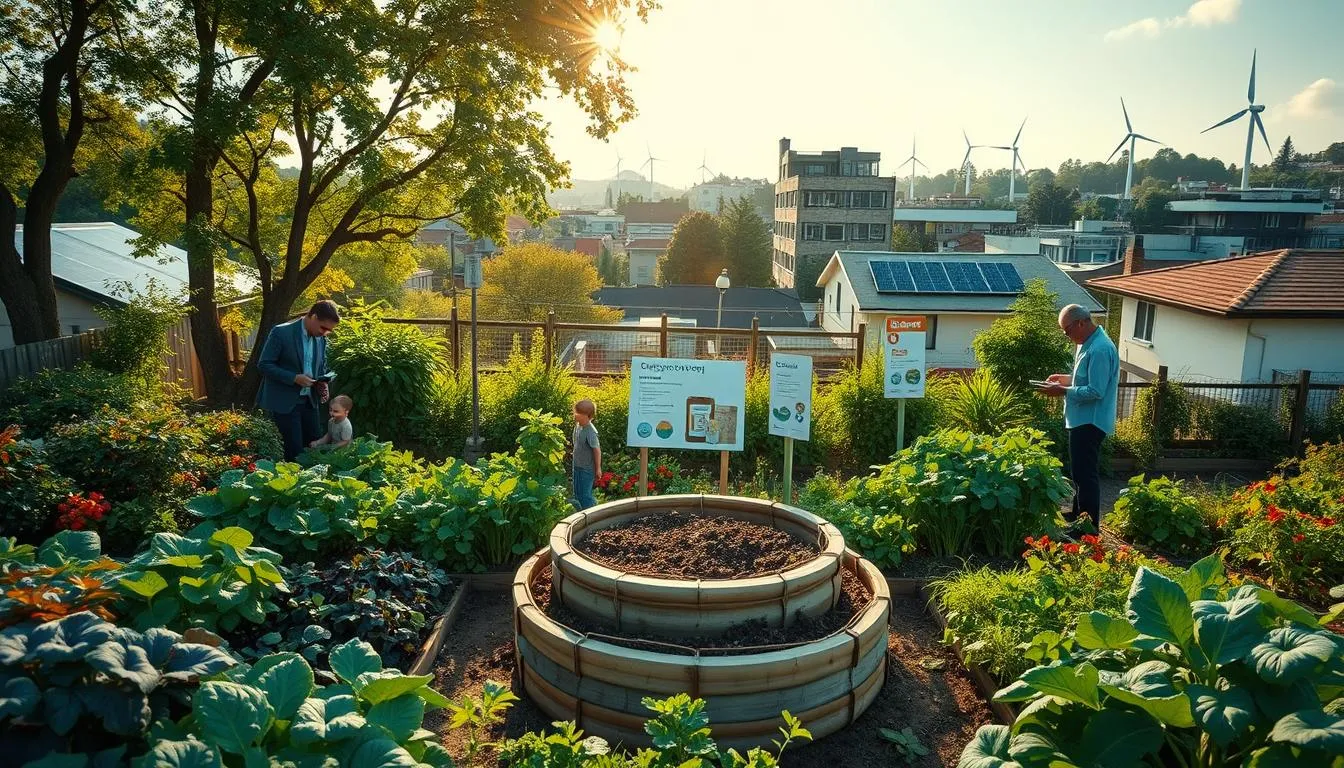
Closed-loop production models aim to create a continuous cycle of production and consumption, where waste is minimized and resources are optimized. This approach can significantly reduce the environmental impact of food production.
Aquaponics and Integrated Systems
Aquaponics and other integrated systems are examples of closed-loop production models. These systems combine fish farming with hydroponic crop production, creating a symbiotic relationship where fish waste provides nutrients for crops, and crops help purify the water for fish.
Packaging Innovations and Plastic Alternatives
Innovations in packaging, such as biodegradable materials and edible packaging, are crucial for reducing plastic waste. Companies are exploring alternatives to traditional plastic packaging, including plant-based packaging and compostable materials.
As noted by
“The future of food packaging lies in creating systems that are not only sustainable but also regenerative.”
, emphasizing the need for continuous innovation in packaging solutions.
Sustainable Food Policy and Governance
Effective governance and policy frameworks are essential for promoting sustainable food systems. As the world grapples with the challenges of climate change, food security, and sustainability, the role of policy and governance in shaping the future of food becomes increasingly important.
National and International Policy Frameworks
National and international policy frameworks play a crucial role in promoting sustainable food systems. These frameworks can influence agricultural practices, food production, and consumption patterns.
Farm Subsidies and Incentive Programs
Farm subsidies and incentive programs can significantly impact agricultural practices. For instance, subsidies can encourage farmers to adopt sustainable practices by providing financial support for sustainable food systems. A study on the impact of such programs reveals their potential in driving positive change.
| Program | Description | Impact |
|---|---|---|
| --- | --- | --- |
| Organic Farming Subsidy | Financial support for organic farming practices | Increased adoption of organic farming |
| Sustainable Agriculture Incentive | Incentives for adopting sustainable agriculture practices | Reduced environmental impact |
Food labeling and transparency regulations are vital for consumer awareness and informed decision-making. Clear labeling can help consumers make choices that support sustainable food systems.
Consumer-Driven Change and Market Forces
Consumer-driven change and market forces are also significant drivers of sustainability in food systems. As consumers become more aware of the environmental and social impacts of their food choices, they can influence the market through their purchasing decisions.
Ethical Consumption and Voting with Your Dollar
Ethical consumption involves making purchasing decisions based on ethical considerations, such as environmental sustainability and fair labor practices. Consumers can “vote with their dollar” by supporting companies that prioritize sustainability.
Corporate Sustainability Commitments
Corporations are increasingly making commitments to sustainability, driven by consumer demand and the need to maintain a positive brand image. These commitments can lead to significant changes in supply chains and production practices.
In conclusion, sustainable food policy and governance are critical for the future of sustainable food systems. By understanding the role of policy frameworks, consumer-driven change, and corporate commitments, we can better navigate the path towards a more sustainable food future.
Building Resilient Local Food Systems
Building resilient local food systems is crucial for ensuring a sustainable food future. Local food systems are essential for promoting eco-friendly agriculture practices, enhancing food security, and supporting community development.
Community-Supported Agriculture
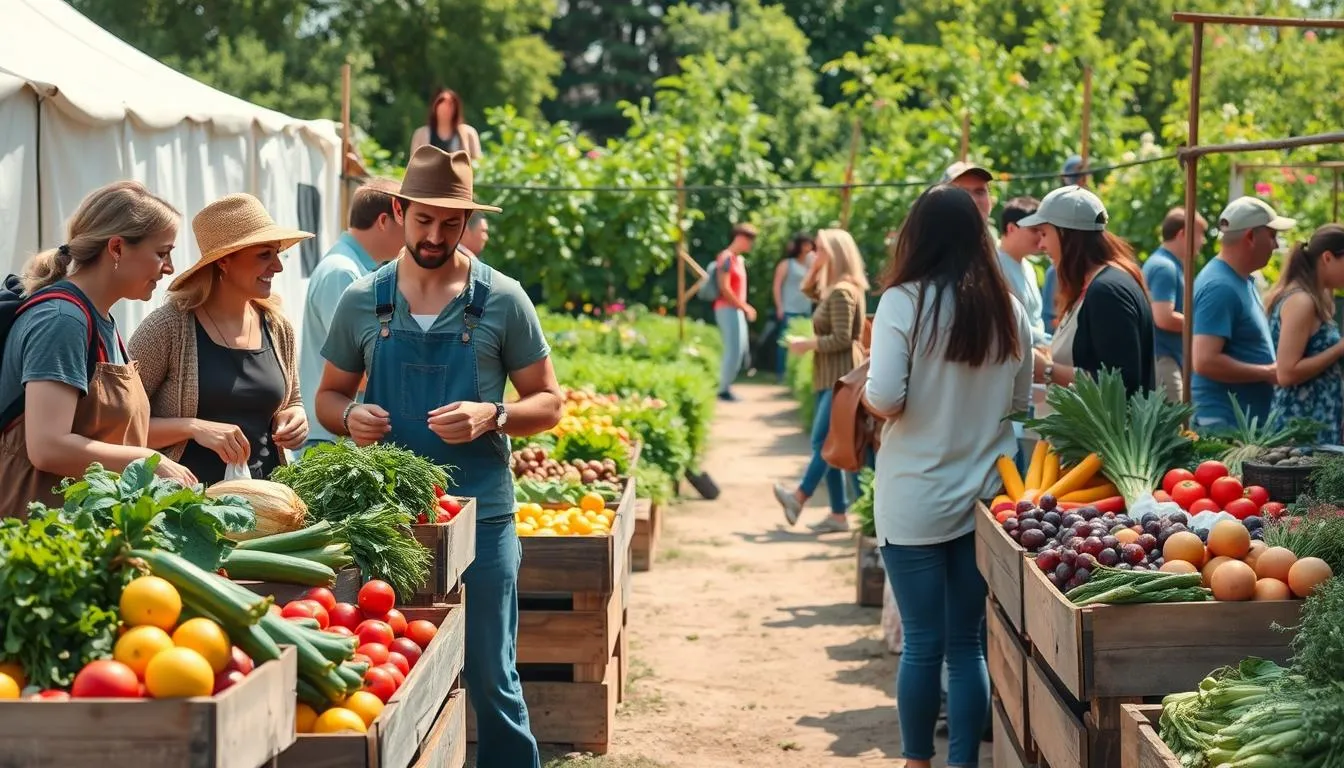
Community-supported agriculture (CSA) programs are a vital component of local food systems. These programs allow consumers to purchase fresh, locally grown produce directly from farmers, promoting a more equitable distribution of food dollars.
Direct-to-Consumer Models
Direct-to-consumer models, such as farmers’ markets and CSA programs, enable farmers to sell their products directly to consumers, increasing profit margins and fostering community engagement.
Building Community Food Networks
Building community food networks through initiatives like food cooperatives and local food hubs can enhance the resilience of local food systems by creating more robust distribution channels.
Food Sovereignty and Security
Food sovereignty and security are critical aspects of resilient local food systems. Ensuring that communities have control over their food sources and access to nutritious food is essential for public health and well-being.
Indigenous Food Systems
Indigenous food systems offer valuable insights into sustainable agriculture practices and the importance of preserving traditional knowledge and crop varieties.
Seed Saving and Heritage Varieties
Seed saving and the preservation of heritage crop varieties are crucial for maintaining biodiversity and ensuring the long-term sustainability of local food systems.
Urban Food Planning and Design
Urban food planning and design play a significant role in creating resilient local food systems. Incorporating food production into urban landscapes can enhance food security and community engagement.
Community Gardens and Public Food Forests
Community gardens and public food forests provide opportunities for urban residents to grow their own food, fostering a sense of community and promoting sustainable living.
Edible Landscaping and Food-Centric Urban Design
Edible landscaping and food-centric urban design can transform public spaces into productive landscapes, enhancing the aesthetic appeal and functionality of urban areas.
Conclusion: Creating a More Sustainable Food Future
As the global population is projected to reach 9.8 billion by 2050, the need for a sustainable food system has never been more pressing. The World Resources Report outlines a comprehensive five-course menu to address this challenge, emphasizing the importance of reducing demand, increasing production, and protecting ecosystems.
Achieving a more sustainable food future requires a multi-faceted approach, incorporating technological innovation, policy change, and community action. By adopting regenerative agriculture practices, reducing food waste, and promoting sustainable consumption patterns, we can create a more resilient food system. As we move forward, it’s essential to prioritize food sustainability trends and work towards a future where everyone has access to nutritious food.
FAQ
What is sustainable food, and why is it important?
Sustainable food refers to food that is produced, processed, and consumed in a way that minimizes its impact on the environment, conserves natural resources, and promotes social equity. It’s essential for ensuring a healthy planet and food security for future generations.
How can technology contribute to sustainable food systems?
Technology can significantly enhance sustainable food systems through innovations like precision agriculture, vertical farming, and cellular agriculture. These advancements help reduce resource use, minimize environmental impact, and increase food production efficiency.
What is regenerative agriculture, and how does it differ from sustainable agriculture?
Regenerative agriculture goes beyond sustainability by focusing on regenerating soil health, biodiversity, and ecosystem services. It involves practices like no-till farming, cover cropping, and polyculture, aiming to improve the overall health of the agricultural ecosystem.
What role do alternative proteins play in sustainable food systems?
Alternative proteins, such as plant-based, insect, algae, and microbial proteins, offer more sustainable options compared to traditional animal-based proteins. They generally require fewer resources, produce lower emissions, and can help reduce the environmental footprint of food production.
How can consumers contribute to sustainable food systems?
Consumers can drive change by choosing sustainable food options, reducing food waste, supporting local and regenerative agriculture, and advocating for policies that promote sustainable food systems. Ethical consumption and voting with your dollar can influence market trends and corporate practices.
What are some examples of successful sustainable food initiatives?
Examples include community-supported agriculture programs, urban agriculture projects, and initiatives promoting food sovereignty and security. These efforts help build resilient local food systems, support small farmers, and preserve biodiversity.
How can policy and governance support sustainable food systems?
Effective policy and governance can promote sustainable food systems through farm subsidies, food labeling regulations, and incentives for sustainable practices. National and international frameworks can drive systemic change and encourage the adoption of sustainable agriculture practices.
What are the benefits of circular food systems?
Circular food systems reduce waste, promote the efficient use of resources, and minimize environmental impacts. Strategies like upcycling food waste, closed-loop production, and innovative packaging can significantly contribute to a more sustainable food future.
What is the future of sustainable food?
The future of sustainable food is promising, with ongoing innovations in technology, agriculture practices, and consumer behavior. As awareness and adoption of sustainable practices grow, we can expect a more resilient, equitable, and environmentally friendly food system.