Getting Started with Plant-Based Diets
Understanding what a plant-based diet entails is the first step towards embracing a healthier and more sustainable eating habit. A plant-based diet focuses on foods derived from plants, including vegetables, fruits, whole grains, and legumes.


18 min read
Embracing a plant-based diet can be a transformative decision for your health and wellbeing. By focusing on whole, unrefined foods, you can experience numerous benefits, from weight management to improved cardiovascular health. A well-planned plant-based diet can provide all the necessary nutrients for optimal health.
For those new to this way of eating, it’s essential to understand the core principles. A plant-based diet beginner’s guide can help navigate the transition, providing insights into the best foods to eat and how to maintain a balanced diet.
Key Takeaways
- Focus on whole, unrefined foods for optimal nutrition.
- A plant-based diet can support weight management and overall health.
- Incorporating a variety of fruits, vegetables, and whole grains is essential.
- A well-planned plant-based diet can reduce the risk of chronic diseases.
- Transitioning to a plant-based diet can be done gradually and sustainably.
What Is a Plant-Based Diet?
Understanding what a plant-based diet entails is the first step towards embracing a healthier and more sustainable eating habit. A plant-based diet focuses on foods derived from plants, including vegetables, fruits, whole grains, and legumes.
Plant-Based vs. Vegan vs. Vegetarian
The terms plant-based, vegan, and vegetarian are often used interchangeably but have distinct meanings. Plant-based refers to a diet that emphasizes foods from plants, but may not completely exclude animal products.
Key Differences in Philosophy
The philosophy behind a plant-based diet is centered on health and sustainability, whereas veganism is more about avoiding animal products for ethical reasons. Vegetarianism, on the other hand, excludes meat but may include dairy and eggs.
Flexibility in Approach
A plant-based diet offers flexibility, allowing individuals to choose how strictly they want to follow it. This flexibility makes it more accessible to a wider range of people looking to adopt healthier eating habits.
The Spectrum of Plant-Based Eating
Plant-based eating exists on a spectrum. At one end, there’s the flexitarian diet, which is primarily vegetarian but occasionally includes meat.
Flexitarian Options
Flexitarian options are ideal for those who want to reduce their meat consumption without completely eliminating it. This approach can make transitioning to a more plant-based diet easier.
Whole Food Focus
Emphasizing whole, minimally processed foods is a key aspect of a successful plant-based diet. This focus helps ensure that the diet is nutrient-rich and satisfying.
Health Benefits of Plant-Based Eating
A plant-based eating guide reveals that this dietary approach offers significant health benefits. By focusing on whole, plant-derived foods, individuals can experience improvements in various aspects of their health.
Cardiovascular Health Improvements
One of the most notable benefits of a plant-based diet is its positive impact on cardiovascular health. This is achieved through:
Cholesterol Reduction
Plant-based diets tend to be low in saturated fats and high in fiber, contributing to lower cholesterol levels. Studies have shown that a diet rich in fruits, vegetables, and whole grains can significantly reduce the risk of heart disease, as supported by research from the National Institutes of Health.
Blood Pressure Benefits
Regular consumption of plant-based foods has been associated with lower blood pressure, further reducing the risk of cardiovascular disease.
Weight Management Benefits
Plant-based diets are often characterized by lower calorie densities and higher fiber contents, making it easier to manage weight. By incorporating a variety of plant-based foods, individuals can maintain a healthy weight more effectively.
Reduced Inflammation and Disease Risk
A plant-based diet is rich in antioxidants and other nutrients that help reduce inflammation in the body. This can lead to a lower risk of chronic diseases, including diabetes and certain cancers.
Environmental Impact of Your Food Choices
The environmental benefits of a plant-based diet are multifaceted, ranging from reduced carbon emissions to more efficient water use. As the world grapples with the challenges of climate change, understanding the impact of our dietary choices becomes increasingly important.
Carbon Footprint Reduction
One of the most significant environmental benefits of a plant-based diet is the reduction in carbon footprint. Animal agriculture is a major contributor to greenhouse gas emissions, with livestock producing methane and carbon dioxide. By choosing plant-based options, individuals can significantly lower their carbon footprint.
Water Conservation Benefits
Plant-based diets also offer substantial water conservation benefits. It takes considerably more water to produce animal products than plant-based foods. For example, producing a pound of beef can require over 1,800 gallons of water, compared to just 39 gallons for a pound of vegetables. Switching to a plant-based diet can help conserve this precious resource.
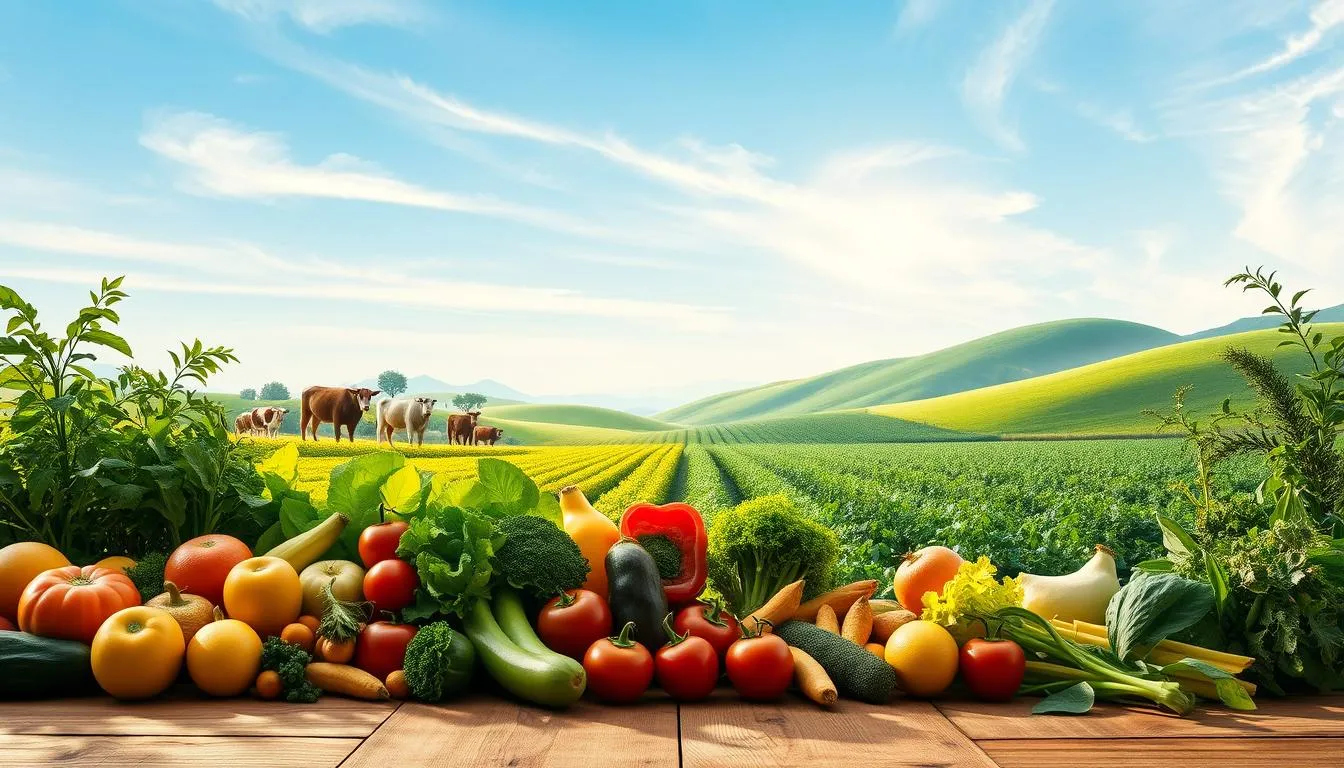
Land Use Efficiency
Furthermore, plant-based diets promote more efficient land use. Animal agriculture requires large areas of land for grazing and feed crop production, leading to deforestation and habitat loss. By focusing on plant-based eating, we can reduce the demand for these practices, preserving natural habitats and biodiversity. Key benefits include:
- Reduced deforestation
- Preservation of natural habitats
- Increased biodiversity
Embracing a plant-based diet is a step towards a more sustainable future, aligning with current diet trends that prioritize both personal health and environmental well-being.
Common Myths About Plant-Based Diets
Many people are hesitant to adopt a plant-based diet due to various misconceptions. In reality, a well-planned plant-based diet can offer numerous health benefits and is more accessible than many believe.
The Protein Question
One of the most common myths is that plant-based diets are protein-deficient. However, there are numerous high-protein foods available in plant-based diets, such as lentils, chickpeas, tofu, and tempeh. Incorporating a variety of these foods can easily meet daily protein needs.
| Food | Protein Content per Serving |
|---|---|
| Lentils | 18g |
| Chickpeas | 15g |
| Tofu | 20g |
Another myth is that plant-based diets are more expensive. While some specialty products can be pricey, staples like beans, grains, and vegetables are generally affordable. Planning meals around these items can make a plant-based diet cost-effective.
Taste and Satisfaction Myths
Some believe that plant-based meals are bland and unsatisfying. However, with the right techniques, plant-based meals can be incredibly flavorful and satisfying.
Flavor Enhancement Techniques
Using herbs, spices, and marinades can significantly enhance the flavor of plant-based dishes. Experimenting with different cuisines, such as Indian or Middle Eastern, can also introduce a variety of flavors.
Texture Considerations
Incorporating a range of textures, from crunchy vegetables to hearty grains, can add satisfaction to meals.
By understanding and addressing these common myths, individuals can make more informed decisions about adopting a plant-based diet.
Essential Nutrients for Plant-Based Diet Beginners
Embracing a plant-based lifestyle requires a bit of planning to ensure you’re getting all the necessary nutrients for optimal health. As a beginner, it’s essential to understand the key nutrients that your body needs to thrive.
Plant Protein Sources
Protein is a critical component of any diet. Fortunately, there are numerous plant-based sources of protein.
Complete Protein Combinations
Combining different plant foods can provide all the essential amino acids your body needs. Examples include pairing whole grains with legumes or nuts with seeds.
Protein-Rich Plants
Some plants are naturally high in protein, such as lentils, chickpeas, tofu, tempeh, and seitan. Incorporating these into your meals can help meet your protein needs.
Iron, B12, and Other Key Nutrients
Apart from protein, other essential nutrients include iron, vitamin B12, omega-3 fatty acids, and calcium. Iron can be found in dark leafy greens and legumes, while B12 is available in fortified foods and supplements.
Supplements to Consider
While a well-planned plant-based diet can provide most necessary nutrients, supplements can help fill any gaps. Vitamin B12 and omega-3 supplements are commonly recommended for those on a plant-based diet.
By being mindful of these essential nutrients and incorporating a variety of plant-based foods into your diet, you can enjoy the benefits of a plant-based lifestyle while maintaining optimal health.
Transitioning to Plant-Based: Step-by-Step Approach
For those new to plant-based eating, a step-by-step guide can make all the difference in maintaining a balanced diet. Transitioning to a plant-based lifestyle is not just about changing your diet; it’s about embracing a healthier way of living.
Gradual vs. Immediate Transition
When deciding to adopt a plant-based diet, one of the first considerations is whether to make a gradual or immediate transition. A gradual transition allows you to slowly adjust your eating habits, potentially making the change more sustainable. On the other hand, an immediate transition can be beneficial for those who are highly motivated and ready to make significant changes quickly.
First Foods to Introduce
Starting with the right foods is crucial. Begin with a variety of fruits, vegetables, whole grains, and legumes. Some popular first foods include:
- Leafy greens like spinach and kale
- Colorful vegetables such as bell peppers and carrots
- Fruits like berries and apples
- Legumes including lentils and chickpeas
Foods to Phase Out
As you progress, it’s essential to identify and gradually reduce your consumption of non-plant-based foods. This includes:
Dairy Alternatives
Switching from dairy to plant-based alternatives like almond milk, soy milk, and oat milk can be a straightforward substitution.
Meat Substitutes
For those used to consuming meat, incorporating meat substitutes such as tofu, tempeh, and seitan can help ease the transition.
As noted by a renowned nutrition expert, “A well-planned plant-based diet is not just good for your health; it’s also beneficial for the planet.”
“The way we eat has a profound impact on our health and the health of our planet.”
Here’s a simple comparison of common dairy products and their plant-based alternatives:
| Dairy Product | Plant-Based Alternative |
|---|---|
| Milk | Almond milk, Soy milk |
| Cheese | Vegan cheese, Nutritional yeast |
| Yogurt | Coconut yogurt, Almond yogurt |
Stocking Your Plant-Based Pantry
A well-stocked plant-based pantry is the foundation of a successful dietary transition. It’s about creating a space that inspires healthy eating and makes meal preparation a breeze.
Essential Grains and Legumes
Start with whole grains like brown rice, quinoa, and whole wheat pasta. Legumes such as lentils, chickpeas, and black beans are rich in protein and fiber, making them staples in a plant-based diet.
Nuts, Seeds, and Healthy Fats
Nuts and seeds provide crunch and nutrition. Almonds, walnuts, chia seeds, and flaxseeds are excellent choices. For healthy fats, consider avocados and olive oil.
Plant-Based Staples and Alternatives
Explore plant-based alternatives to dairy and meat. Tofu, tempeh, and plant-based milks are versatile options.
Condiments and Flavor Enhancers
Enhance your meals with condiments like tahini, hummus, and a variety of spices.
Convenient Options
Keep canned beans, tomatoes, and coconut milk on hand for quick meals.
By focusing on these essentials, you’ll be well on your way to a thriving plant-based pantry that aligns with current diet trends.
Meal Planning for Plant-Based Diet Beginners
Embarking on a plant-based diet journey can be both exciting and overwhelming, but with the right meal planning strategies, beginners can set themselves up for success. As plant-based diet beginners explore new foods and recipes, having a plan in place can make all the difference in maintaining a balanced and nutritious diet.
Breakfast Ideas
Starting the day with a nutritious breakfast is crucial. For quick morning options, consider overnight oats or smoothie bowls that can be prepared in advance.
Quick Morning Options
- Oatmeal with fruit and nuts
- Avocado toast on whole grain bread
- Smoothies made with frozen berries and plant-based milk
Weekend Brunch Recipes
Weekends offer the perfect opportunity to try more elaborate breakfast recipes. For inspiration, you can explore recipes like vegan quiches or pancakes made from scratch. As noted by culinary experts, “A well-planned breakfast can set the tone for a healthy day.”
“The key to a successful plant-based diet is variety and planning.”
Lunch and Dinner Strategies
For lunch and dinner, planning ahead is key. Consider meal prepping on Sundays or using a 7-day meal plan to guide your grocery shopping and cooking.
Snacks and Desserts
Healthy snacking is an essential part of a plant-based diet. Fresh fruits, raw veggies with hummus, and energy balls made from oats and nuts are great options. For desserts, consider fruit salads or dark chocolate.
By incorporating these meal planning strategies, plant-based diet beginners can enjoy a varied and satisfying diet that supports their health and wellness goals.
Shopping Guide: Budget-Friendly Plant-Based Eating
Budget-friendly plant-based eating is within reach when you know how to shop smart. Adopting a plant-based diet can be cost-effective, especially when you incorporate seasonal shopping, bulk buying, and clever use of frozen and canned options into your routine.
Seasonal Shopping Tips
Shopping for produce that’s in season is a great way to save money. Seasonal fruits and vegetables are often cheaper because they’re more abundant. You can also find seasonal produce at farmer’s markets or through local community-supported agriculture (CSA) programs.
Benefits of Seasonal Shopping:
- Lower costs due to abundance
- Freshness and flavor
- Supports local farmers
Bulk Buying Strategies
Buying in bulk is another effective way to reduce costs. Grains, legumes, nuts, and seeds are all great candidates for bulk purchasing. Just be sure to store them properly to maintain freshness.

Frozen and Canned Options
Frozen and canned fruits and vegetables can be just as nutritious as fresh options, and they’re often more affordable. The key is to choose varieties that are low in added salt and sugar.
Preserving Nutritional Value
To get the most nutritional value from your frozen and canned goods, look for products that are labeled as “flash-frozen” or “low sodium.”
Time-Saving Benefits
Frozen and canned options can also save you time on meal preparation. Simply thaw or drain and rinse, and you’re ready to cook.
| Produce Type | Fresh | Frozen | Canned |
|---|---|---|---|
| Peas | $1.50/lb | $1.00/lb | $0.75/can |
| Carrots | $0.80/lb | $0.60/lb | $0.50/can |
| Berries | $3.00/lb | $2.00/lb | $1.50/cup |
Eating Out While Following a Plant-Based Diet
Maintaining a plant-based diet while eating out is not only possible but can also be a delightful culinary adventure. With a little planning and knowledge, you can enjoy dining out while sticking to your dietary preferences.
Restaurant Navigation Tips
When dining out, it’s helpful to research restaurants in advance to find ones that offer plant-based options. Many restaurants now clearly label plant-based dishes on their menus, making it easier to choose.
Don’t hesitate to ask your server about ingredients and preparation methods to ensure the dish aligns with your dietary choices.
Social Situations and Family Gatherings
Social gatherings can sometimes make it challenging to stick to a plant-based diet, but there are strategies to make it easier. You can offer to bring a plant-based dish to share, ensuring there’s something you can enjoy.
When invited to someone’s home, politely inquire about the menu or ingredients used, and express your dietary preferences.
Travel Considerations
Traveling on a plant-based diet requires some preparation. Research local cuisine and restaurants at your destination that offer plant-based options.
Consider packing some non-perishable plant-based snacks to have on hand, especially if you have limited time for meals.
By being informed and prepared, you can maintain your plant-based diet while enjoying the flexibility of eating out and traveling. This guide provides a foundation for navigating various dining situations with confidence.
Plant-Based Diet and Current Diet Trends
Current diet trends are seeing a significant shift towards combining plant-based eating with other dietary approaches. This integration aims to enhance the health benefits and sustainability of various diets. The plant-based diet, known for its numerous health and environmental benefits, is being merged with popular eating patterns like keto, intermittent fasting, and Mediterranean-inspired eating.
Plant-Based Keto
The ketogenic diet, typically high in fat and low in carbohydrates, is being adapted to plant-based eating. Plant-based keto focuses on high-fat plant foods like avocados, nuts, and seeds, while keeping carbohydrate intake low. This diet has been shown to promote weight loss and improve metabolic health.
Intermittent Fasting with Plant-Based Foods
Intermittent fasting involves cycling between periods of eating and fasting. When combined with a plant-based diet, it can enhance autophagy and improve insulin sensitivity. Research suggests that this combination may reduce the risk of chronic diseases like heart disease and diabetes.
Mediterranean-Inspired Plant-Based Eating
The Mediterranean diet, known for its health benefits, is being adapted to a plant-based version. This eating pattern emphasizes whole grains, fruits, vegetables, and healthy fats, particularly from sources like olive oil. Key components include a high intake of fiber and antioxidants.
Key Components
- High consumption of fruits and vegetables
- Whole grains as a staple
- Healthy fats from olive oil and nuts
Health Research
Studies have shown that Mediterranean-inspired plant-based eating can reduce the risk of cardiovascular disease and improve overall longevity. For more detailed information, refer to the research evidence summary on plant-based diets.
| Dietary Approach | Key Features | Health Benefits |
|---|---|---|
| Plant-Based Keto | High-fat, low-carb, plant-based foods | Weight loss, improved metabolic health |
| Intermittent Fasting with Plant-Based Foods | Cycling between eating and fasting periods | Enhanced autophagy, improved insulin sensitivity |
| Mediterranean-Inspired Plant-Based Eating | Emphasis on whole grains, fruits, vegetables, and healthy fats | Reduced cardiovascular disease risk, improved longevity |
Embarking on a plant-based diet can be a transformative experience, offering numerous health benefits and contributing to a more sustainable environment. As a plant-based diet beginner, it’s essential to start with a clear understanding of the principles and practices that will guide your journey.
By gradually incorporating more plant-based meals, exploring new recipes, and being mindful of your nutrient intake, you can confidently transition to a diet that is both nourishing and enjoyable. The resources and tips provided in this guide are designed to support you every step of the way, from stocking your pantry to navigating social situations.
As you continue on your plant-based journey, remember that every small step counts. Whether you’re motivated by health, environmental, or ethical reasons, adopting a plant-based lifestyle can have a profound impact on your overall well-being and the world around you.
FAQ
What is a plant-based diet, and how is it different from vegan or vegetarian?
A plant-based diet focuses on foods derived from plants, including fruits, vegetables, grains, and legumes. While often associated with vegan and vegetarian diets, plant-based eating can be more flexible, allowing for occasional inclusion of animal products. Vegan diets exclude all animal products, whereas vegetarian diets may include dairy and eggs.
How do I ensure I’m getting enough protein on a plant-based diet?
Plant protein sources include legumes, beans, lentils, tofu, tempeh, nuts, and seeds. Combining different protein sources, such as whole grains with legumes, can provide all essential amino acids. Additionally, many plant-based milk and meat alternatives are fortified with protein.
Is a plant-based diet more expensive than a traditional diet?
While some specialty plant-based products can be pricey, a diet rich in whole, plant-based foods like grains, beans, and vegetables can be cost-effective. Buying in bulk, shopping seasonally, and planning meals can help manage costs.
Can I get enough iron and B12 on a plant-based diet?
Yes, iron and B12 can be obtained from plant-based sources. Iron-rich foods include lentils, beans, and dark leafy greens. Vitamin B12 is found in fortified plant-based milk, cereals, and supplements. Dark leafy greens, beans, and fortified cereals are also good sources of other essential nutrients.
How can I make sure my plant-based diet is well-rounded and nutritious?
Eating a variety of whole, minimally processed foods including fruits, vegetables, whole grains, legumes, nuts, and seeds can provide a broad range of nutrients. Consulting with a healthcare provider or a registered dietitian can also help ensure nutritional needs are met.
What are some tips for transitioning to a plant-based diet?
Start by gradually introducing more plant-based meals into your diet. Explore different cuisines, like Mediterranean or Asian, which often feature plant-based dishes. Stock your pantry with plant-based staples, and consider meal planning to ease the transition.
Are there any current diet trends that incorporate plant-based eating?
Yes, trends like plant-based keto, intermittent fasting with plant-based foods, and Mediterranean-inspired plant-based eating are gaining popularity. These diets combine the benefits of plant-based eating with other dietary approaches to promote health and well-being.
How can I eat out or travel while following a plant-based diet?
Researching restaurants that offer plant-based options, asking for modifications when necessary, and packing snacks can make dining out easier. When traveling, considering accommodations with kitchen facilities can help maintain your dietary preferences.