Getting Started with Urban Gardening
As cities expand, urban gardening has emerged as a way to reconnect with nature. Urban gardening involves cultivating plants in urban environments, providing numerous benefits for individuals and communities.
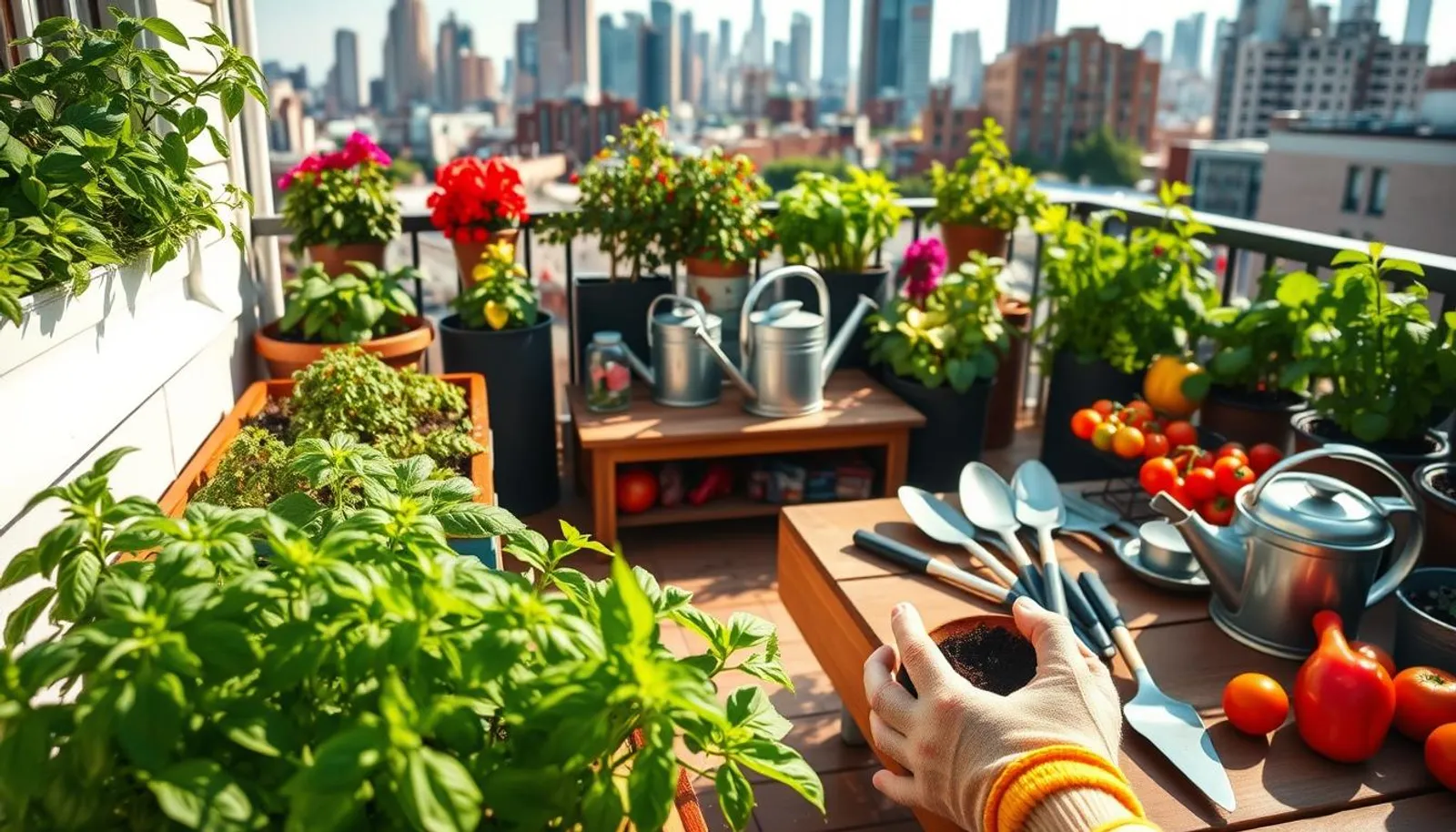

17 min read
Embarking on an urban gardening journey can be a rewarding experience, allowing you to cultivate your own green space even in the midst of a bustling city. As a beginner, it’s essential to understand the basics of how to start your urban garden.
Urban gardening offers numerous benefits, from providing fresh produce to enhancing your living environment. This guide is designed to walk you through the initial steps of setting up your garden, ensuring a smooth start to your gardening adventure.
Key Takeaways
- Understand the fundamentals of urban gardening
- Learn how to choose the right plants for your space
- Discover essential tips for maintaining a healthy garden
- Get started with minimal investment
- Explore the benefits of urban gardening for your well-being
What is Urban Gardening?
As cities expand, urban gardening has emerged as a way to reconnect with nature. Urban gardening involves cultivating plants in urban environments, providing numerous benefits for individuals and communities.
Definition and Scope
Urban gardening encompasses a broad range of activities, from growing herbs on a windowsill to maintaining a rooftop garden. It is characterized by its adaptability to small or unconventional spaces. For more detailed information on urban gardening, you can visit Frame It All, which provides comprehensive insights into the practice.
Types of Urban Gardens
Urban gardens can take various forms, including:
- Container Gardens: Using pots and containers to grow plants on balconies, patios, or indoors.
- Vertical Gardens: Utilizing wall space to create lush, green walls that can be both decorative and functional.
- Community Gardens: Shared plots of land where individuals can grow their own fruits, vegetables, and flowers, fostering community engagement.
By understanding the different types of urban gardens, individuals can choose the best approach for their space and preferences, applying best urban gardening practices to achieve success.
Benefits of Urban Gardening for Beginners
Starting an urban garden can be a life-changing experience, offering health, environmental, and economic benefits. As an urban gardening beginner, you’ll find that this hobby not only provides an opportunity to grow your own food but also contributes to a sustainable lifestyle.
Health Benefits
Urban gardening can significantly improve mental and physical health. Being in nature and engaging in physical activity can reduce stress levels and improve mood. Additionally, growing your own fruits and vegetables ensures access to fresh, nutritious produce, enhancing overall well-being.
Environmental Impact
Urban gardens play a crucial role in reducing carbon footprints. By growing locally, we minimize the need for transportation, thereby decreasing greenhouse gas emissions. Moreover, urban gardens help in managing stormwater runoff and improving air quality, contributing to a healthier environment.
Economic Advantages
Urban gardening can also have economic benefits. By growing your own food, you can save money on grocery bills. Furthermore, a well-maintained garden can increase property values, making it a worthwhile investment for homeowners. For more information on how urban community gardens are transforming neighborhoods, visit CSA Farms.
| Benefits | Description |
|---|---|
| Health Benefits | Reduces stress, improves mood, and provides fresh produce |
| Environmental Impact | Reduces carbon footprint, manages stormwater runoff, and improves air quality |
| Economic Advantages | Saves money on groceries, increases property value |
Assessing Your Available Space
Before you start your urban gardening journey, it’s crucial to assess the space you have available. Understanding the dimensions and characteristics of your space will help you choose the right plants and gardening methods.
Balconies and Patios
Balconies and patios are popular spaces for urban gardening. When assessing these areas, consider the amount of sunlight they receive and the wind exposure. Choose plants that are suitable for the conditions. For example, if your balcony is sunny, you can grow herbs like basil or rosemary. If it’s more shaded, ferns or flowering plants like impatiens might be a better choice.
Window Sills and Indoor Spaces
Window sills and indoor spaces can also be used for gardening, especially for plants that thrive in low-light conditions or require more controlled environments. Consider using self-watering planters to make maintenance easier. Plants like snake plants, spider plants, and pothos are great for indoor spaces.
Rooftops and Shared Areas
Rooftops and shared community areas offer additional opportunities for urban gardening. When using these spaces, it’s essential to consider safety and accessibility. Ensure that your garden does not obstruct walkways or create hazards.
Safety Considerations
When gardening in urban areas, safety is paramount. Be mindful of potential hazards such as falling debris or unstable structures. Regularly inspect your garden and surrounding areas to mitigate risks.
Permission Requirements
If you’re using a shared or communal space, check if you need permission from your landlord, homeowner association, or local authorities. Some areas may have specific regulations or restrictions on gardening activities.
Essential Tools for the Urban Gardening Beginner
As an urban gardening beginner, having the essential tools is crucial for a successful harvest. Urban gardening is not just about having a green thumb; it’s about being equipped with the right tools to nurture your plants.
Basic Tool Kit
A basic tool kit is indispensable for any urban gardener. It should include:
- Hand Tools: A trowel for planting, a cultivator for soil aeration, and pruning shears for trimming plants.
- Watering Equipment: A watering can or a hose with a spray nozzle for efficient watering.
For more detailed information on urban gardening tools, you can visit urban gardening resources.
Container Options
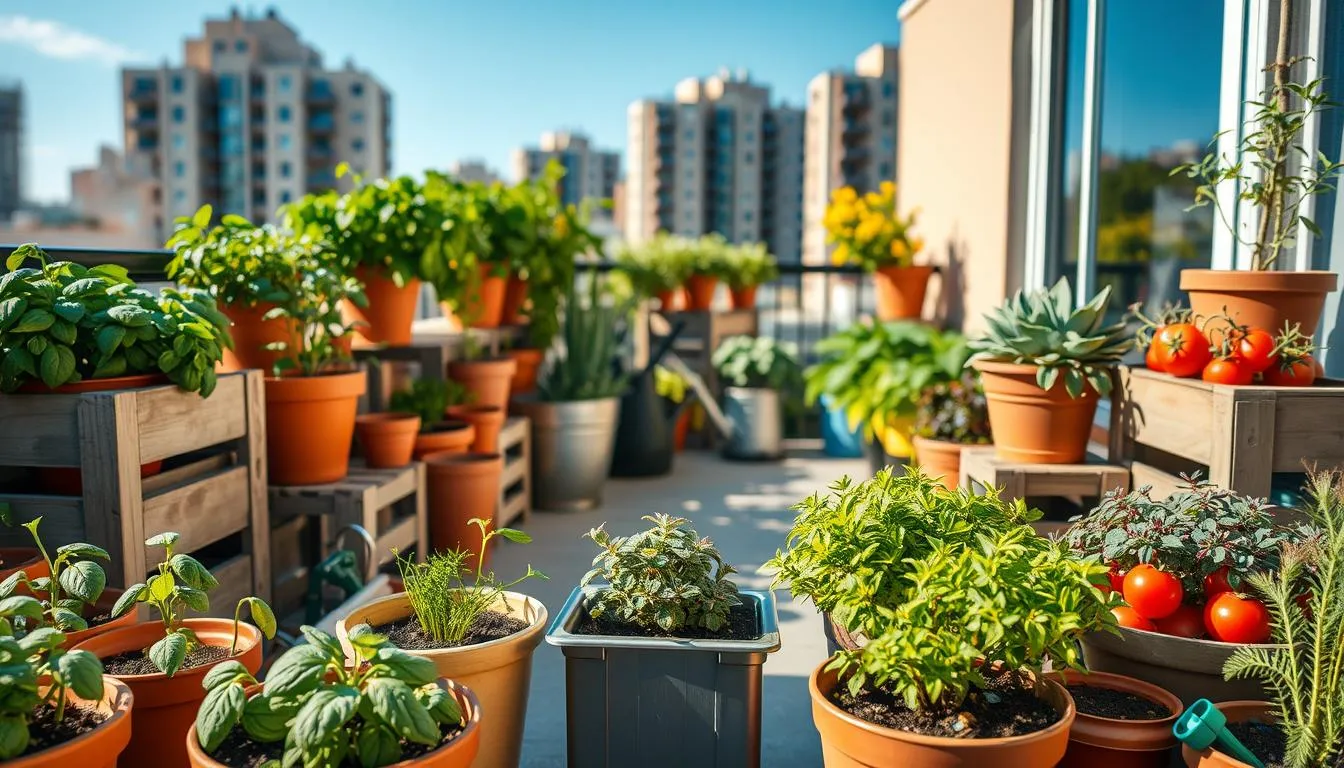
Choosing the right containers is vital for the health of your plants. Consider:
Size Considerations
The size of the container should be proportional to the plant’s root system. Larger plants require more room for their roots to grow.
Material Pros and Cons
- Plastic Containers: Lightweight and inexpensive but may degrade over time.
- Terracotta Containers: Breathable and natural but can be heavy and prone to cracking.
- Metal Containers: Durable but can get hot, potentially harming the roots.
Budget-Friendly Alternatives
Starting an urban garden doesn’t have to break the bank. Look for budget-friendly alternatives such as:
- Repurposing old household items as planters.
- Shopping during sales or using coupons for gardening supplies.
- Exchanging seeds or plants with fellow gardening enthusiasts.
By being resourceful and equipped with the right tools, urban gardening beginners can set themselves up for success.
Selecting the Right Plants for Small Spaces
The key to a flourishing urban garden lies in picking the right plants for your limited space. When space is a constraint, it’s essential to choose plants that not only thrive in smaller areas but also provide a bountiful harvest or beautiful blooms.
Vegetables That Thrive in Containers
Growing vegetables in containers is a great way to make the most of your urban garden. Some vegetables are better suited for container gardening than others.
Leafy Greens
Leafy greens such as lettuce, spinach, and kale are excellent choices for container gardens. They are easy to grow, require minimal space, and can be harvested in as little as 20 days.
Compact Varieties
Compact or dwarf varieties of vegetables like tomatoes, peppers, and cucumbers are bred specifically for container gardening. They produce a high yield without requiring a lot of space.
Herbs for Urban Gardens
Herbs are another great option for urban gardens. They are versatile, easy to grow, and can add fresh flavor to a variety of dishes. Popular herbs for urban gardens include basil, mint, and cilantro.
Pollinator-Friendly Flowers
Incorporating pollinator-friendly flowers into your urban garden can help attract bees and butterflies, which are essential for a healthy garden. Flowers like marigolds, zinnias, and sunflowers are great choices.
| Plant Type | Container Suitability | Maintenance Level |
|---|---|---|
| Leafy Greens | High | Low |
| Compact Vegetables | High | Medium |
| Herbs | Medium | Low |
| Pollinator-Friendly Flowers | High | Medium |
Understanding Soil and Potting Mixes
The foundation of a thriving urban garden lies in its soil and potting mixes. For urban gardening beginners, selecting the right mix can be daunting, but understanding the basics can significantly improve plant health and productivity.
Container-Specific Soil Requirements
Urban gardens often rely on containers, which have specific soil requirements. Unlike garden beds, containers need a potting mix that retains moisture but also drains well to prevent waterlogged soil. A good mix should also be lightweight and have a balanced pH.
DIY Potting Mix Recipes
Creating your own potting mix can be cost-effective and allows for customization based on the plants you’re growing. A basic recipe includes a mix of peat moss or coconut coir, vermiculite or perlite, and compost. For example, a simple mix could be 40% peat moss, 20% vermiculite, and 40% compost.
Organic Amendments for Urban Gardens
Organic amendments can significantly enhance the health of your urban garden. These include compost, worm composting, and other natural materials.
Compost Options
Compost adds nutrients and improves soil structure. You can create compost using kitchen scraps, leaves, and other organic materials.
Worm Composting for Apartments
Worm composting, or vermicomposting, is ideal for apartments. It involves using red wiggler worms to break down food scraps into a nutrient-rich compost.
| Component | Function | Example Materials |
|---|---|---|
| Moisture Retention | Retains water for plant use | Peat Moss, Coconut Coir |
| Drainage | Prevents waterlogging | Vermiculite, Perlite |
| Nutrients | Provides essential nutrients | Compost, Worm Casting |
Watering Techniques and Conservation
To maintain a healthy urban garden, understanding watering techniques is essential. Proper watering ensures that plants receive the right amount of moisture without wasting water.
Self-Watering Systems
Self-watering systems are an innovative solution for urban gardeners. These systems allow plants to draw water as needed, reducing the risk of overwatering and underwatering. According to a guide on urban gardening practices, self-watering containers can significantly improve plant health.
- Use containers with built-in water reservoirs.
- Implement a wicking system to draw water from the reservoir.
- Monitor soil moisture to adjust watering frequency.
Rainwater Collection Methods
Collecting rainwater is another effective way to conserve water in urban gardening. By harvesting rainwater, gardeners can reduce their reliance on municipal water supplies.
- Install rain barrels under downspouts to collect rainwater.
- Use a first flush device to ensure clean water collection.
- Store rainwater in a covered container to prevent mosquito breeding.
Recognizing Plant Water Needs
Understanding the water needs of your plants is crucial. Both overwatering and underwatering can be detrimental to plant health.
Signs of Overwatering
- Yellowing leaves.
- Soft, mushy stems.
- Water pooling around the plant.
Signs of Underwatering
- Dry, crispy leaves.
- Wilting or droopy plants.
- Slow growth.
By recognizing these signs, urban gardeners can adjust their watering techniques to meet the needs of their plants, ensuring a thriving garden while conserving water.
Light Management in Urban Settings
Managing light effectively is essential for creating a thriving urban garden. Urban gardening beginners often face challenges in ensuring their plants receive adequate light, whether they’re gardening on a balcony, patio, or indoors.
Analyzing Sun Patterns
The first step in light management is understanding the sun patterns in your gardening space. Observe how much sunlight your area receives throughout the day. This observation will help you choose the right plants and decide if you need supplemental lighting. For more detailed guidance on assessing your space, you can refer to our guide on urban gardening tips for beginners.
Plants for Different Light Conditions
Different plants have varying light requirements. Understanding these needs is crucial for selecting the right plants for your urban garden.
Full Sun Options
For areas that receive more than six hours of direct sunlight, consider plants like tomatoes, peppers, and herbs such as basil and rosemary. These plants thrive in full sun and can produce abundant yields.
Shade-Tolerant Varieties
If your space receives less sunlight, there are still plenty of options. Plants like lettuce, spinach, and ferns can grow well in partial shade. These plants are perfect for areas that don’t receive direct sunlight for most of the day.
Supplemental Lighting Solutions
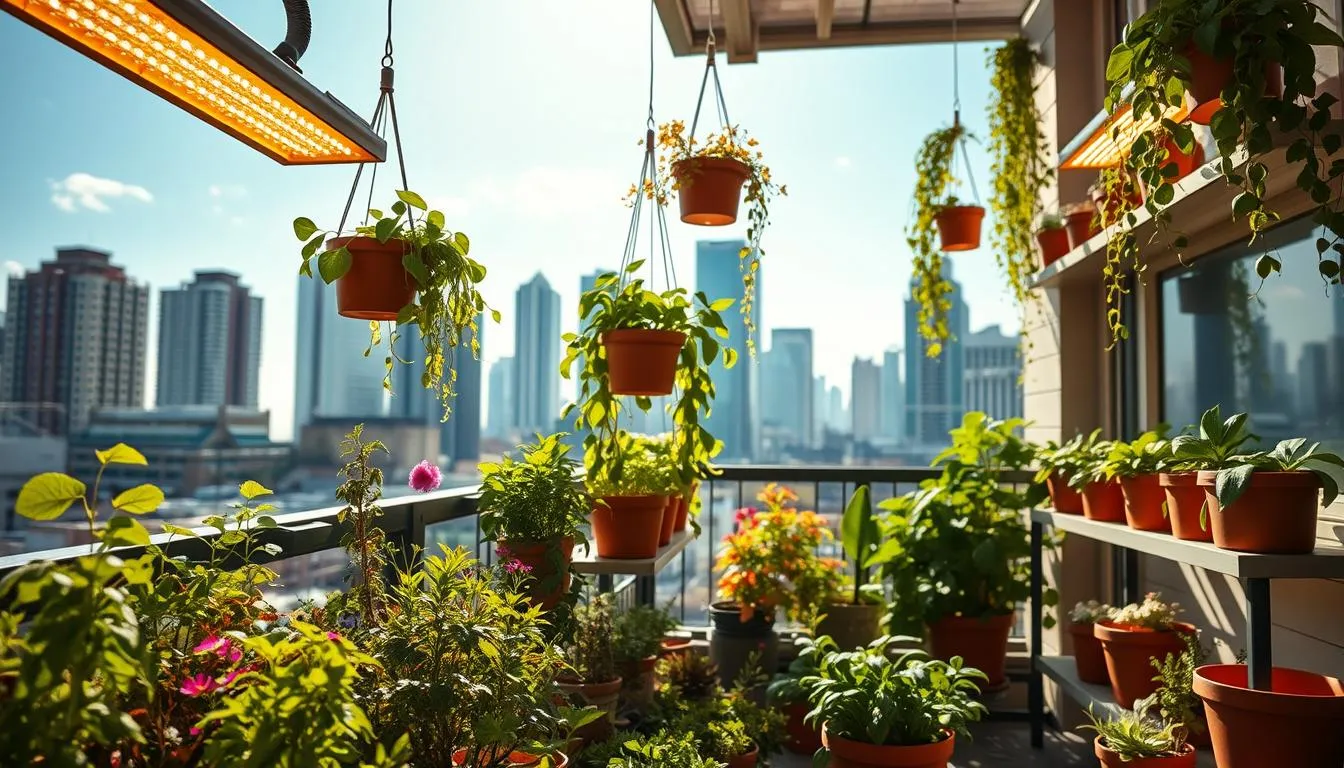
Sometimes, natural light is not enough, especially in indoor or heavily shaded areas. Supplemental lighting can help. LED grow lights are a popular choice among urban gardeners due to their energy efficiency and ability to provide the necessary light spectrum for plant growth.
Seasonal Planning for Continuous Harvests
tag, meeting all the specified requirements.
Troubleshooting Common Urban Gardening Beginner Problems
As an urban gardening beginner, you may face challenges that can be easily overcome with the right knowledge. Urban gardening can be a rewarding hobby, but it’s not without its issues.
Pest Management Without Chemicals
One of the common problems faced by urban gardeners is pest infestation. To manage pests without using chemicals, consider using natural deterrents like neem oil or introducing beneficial insects such as ladybugs to your garden. For more tips on starting your urban garden, visit Lovely Greens for guidance on avoiding common mistakes.
Disease Prevention in Close Quarters
Diseases can spread quickly in urban gardens due to close plant proximity. To prevent this, ensure good air circulation around your plants and avoid overhead watering, which can splash disease-causing pathogens onto leaves.
| Disease | Symptoms | Prevention |
|---|---|---|
| Powdery Mildew | White powdery spots on leaves | Improve air circulation, remove infected leaves |
| Root Rot | Yellowing leaves, soft roots | Avoid overwatering, ensure good drainage |
Limited pollination can be a challenge in urban areas. To overcome this, plant a variety of flowers that attract pollinators, and consider hand-pollination for certain plants.
Solutions for Poor Drainage
Poor drainage can lead to waterlogged soil and root rot. To improve drainage, add organic matter like compost to your soil, or use containers with drainage holes.
By understanding and addressing these common issues, you can enjoy a thriving urban garden. With the right strategies, you can overcome the challenges and reap the rewards of urban gardening.
Creative Space-Maximizing Projects
Urban gardening isn’t just about having a garden in the city; it’s about maximizing every available space to create a lush oasis. With a little creativity, even the most compact urban areas can be transformed into vibrant gardens.
Vertical Garden Systems
One of the most effective ways to maximize space is by using vertical garden systems. These systems allow gardeners to grow plants upwards, making the most of wall space or other vertical areas.
Pallet Gardens
Pallet gardens are a popular choice for vertical gardening. They are cost-effective and can be easily customized to fit any space. Simply attach a pallet to a wall, add some soil and plants, and you have a thriving garden.
Hanging Gardens
Hanging gardens are another great option. They can be made using a variety of materials, including baskets, pots, and even recycled items like old boots or containers.
Multi-Tiered Planters
Multi-tiered planters are perfect for growing a variety of plants in a small footprint. They allow gardeners to make the most of their space while adding visual interest to their garden.
Upcycled Container Ideas
Using upcycled containers is not only eco-friendly but also adds a unique touch to your garden. Here are a few ideas:
Household Items Repurposed
Old household items like colanders, boots, and even broken pots can be repurposed as planters. Get creative and find new uses for items you might otherwise throw away.
Low-Cost DIY Projects
DIY projects like making your own planters from terracotta pots or using reclaimed wood for garden beds are not only budget-friendly but also rewarding.
As Julia Knight, a renowned urban gardening expert, once said, “The key to successful urban gardening is creativity and a willingness to experiment.” By embracing these principles, you can turn even the smallest urban space into a thriving garden.
Conclusion: Growing Your Urban Garden and Skills
As an urban gardening beginner, starting your journey can be both exciting and overwhelming. By following the steps outlined in this guide, you’re well on your way to creating a thriving urban garden. Remember, the key to success lies in understanding your space, selecting the right plants, and mastering essential gardening techniques.
To continue growing your urban garden and skills, stay curious and keep experimenting. Try new plants, techniques, and tools to find what works best for you. Don’t be afraid to make mistakes 鈥?they’re an opportunity to learn and improve. As you gain experience, you’ll become more confident in your ability to grow a diverse range of plants, from vegetables and herbs to pollinator-friendly flowers.
If you’re just starting out, consider beginning with a few easy-to-grow plants like leafy greens or cherry tomatoes. As you gain more experience, you can expand your garden to include a wider variety of plants. By starting small and being consistent, you’ll be well on your way to becoming a skilled urban gardener. Learn how to start urban garden and enjoy the many benefits it has to offer.
FAQ
What is the best way to start an urban garden as a beginner?
To start an urban garden, begin by assessing your available space, choosing the right containers, and selecting plants suitable for your climate and light conditions. Start small and be prepared to learn and adapt as you go.
How do I choose the right plants for my urban garden?
Choose plants that are suitable for your climate, light conditions, and container size. Consider vegetables like leafy greens, compact varieties, and herbs like basil and mint. Pollinator-friendly flowers can also be a great addition.
What are some essential tools for urban gardening?
Essential tools include a basic tool kit with hand tools like trowels, pruners, and cultivators, as well as watering equipment like watering cans or drip irrigation systems. Containers, potting mix, and fertilizers are also necessary.
How do I manage watering in my urban garden?
Use self-watering systems, rainwater collection methods, and recognize plant water needs to manage watering. Check for signs of overwatering and underwatering, and adjust your watering schedule accordingly.
What are some common problems faced by urban gardening beginners?
Common problems include pest management, disease prevention, limited pollination, and poor drainage. Use organic pest control methods, maintain good hygiene, and ensure proper drainage to mitigate these issues.
How can I maximize space in my urban garden?
Use vertical garden systems, multi-tiered planters, and upcycled container ideas to maximize space. Consider pallet gardens, hanging gardens, and repurposed household items to create a thriving urban garden.
Can I start an urban garden in a small or shaded area?
Yes, you can start an urban garden in a small or shaded area. Choose shade-tolerant plants, use grow lights if necessary, and optimize your space with vertical gardening or container gardening.
How do I maintain my urban garden throughout the seasons?
Create a seasonal planning calendar to maintain your urban garden. Plant spring crops, maintain summer gardens, and prepare for fall and winter with cold frames, protection methods, and indoor growing options.