How to Choose Eco-Friendly Materials for Your Home
As we strive to create more sustainable living spaces, it's essential to examine the characteristics of eco-friendly building materials. The construction industry is one of the largest consumers of natural resources and generators of waste, making the choice of building materials critical in redu...

18 min read
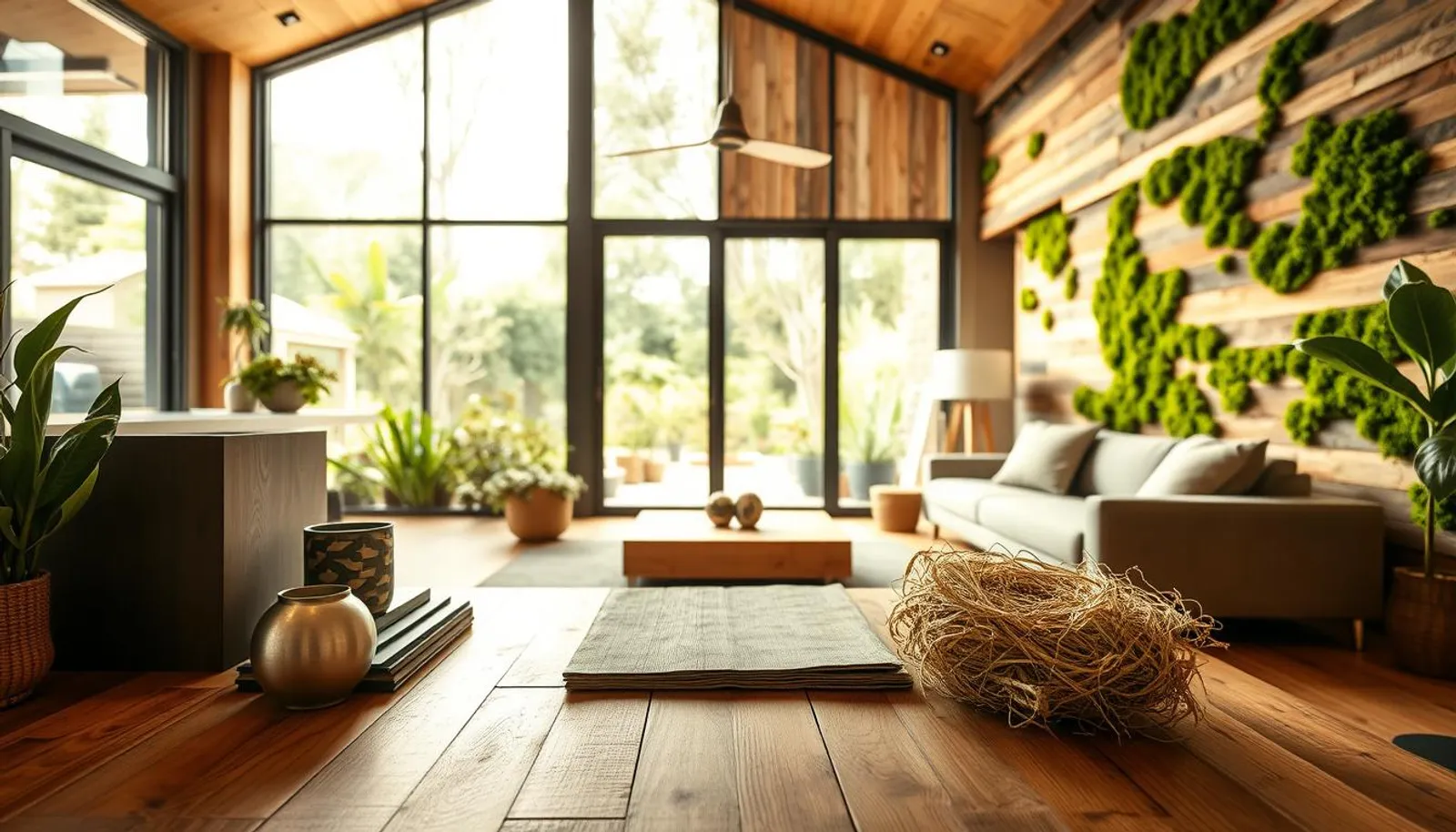
Choosing the right sustainable building materials for your home is a crucial step towards reducing your environmental footprint. As the trend towards sustainability continues to grow, homeowners are increasingly looking for environmentally friendly options for construction and renovation projects.
By opting for eco-friendly materials, you not only contribute to a healthier planet but also create a safer and more sustainable living space. This eco-friendly materials guide will help you navigate the process of selecting the best green materials for your home, ensuring a balance between sustainability and style.
Key Takeaways
- Understand the importance of sustainable building materials for your home.
- Learn how to identify eco-friendly materials for construction and renovation.
- Discover the benefits of using green materials in your home building projects.
- Get tips on balancing sustainability with aesthetic appeal.
- Explore the role of eco-friendly materials in creating a healthier living environment.
What Makes Building Materials Truly Eco-Friendly
As we strive to create more sustainable living spaces, it’s essential to examine the characteristics of eco-friendly building materials. The construction industry is one of the largest consumers of natural resources and generators of waste, making the choice of building materials critical in reducing environmental impact.
Key Characteristics of Sustainable Materials
Eco-friendly building materials are characterized by their low environmental impact throughout their lifecycle. This includes being made from renewable resources, having low embodied energy, and being non-toxic. Materials that are sustainably sourced, recyclable, or made from recycled content also contribute to reducing waste and conserving natural resources.
The Environmental Impact of Conventional Building Materials
Traditional building materials often have significant environmental drawbacks, including high energy consumption during production and potential for pollution. For instance, the production of cement, a key component of concrete, is a major source of CO2 emissions. Understanding these impacts is crucial for making informed choices.
Lifecycle Assessment Basics
A Lifecycle Assessment (LCA) is a method used to evaluate the environmental impacts of a product throughout its entire lifecycle, from raw material extraction to disposal or recycling. According to the EPA’s Sustainable Materials Management program, LCA is a critical tool for comparing the environmental impacts of different materials and making sustainable choices.
| Material | Renewable | Recyclable | Embodied Energy |
|---|---|---|---|
| --- | --- | --- | --- |
| Wood | Yes | Yes | Low |
| Steel | No | Yes | High |
| Bamboo | Yes | Yes | Low |
Sustainable materials offer a multitude of benefits for homeowners, from environmental advantages to improved health and cost savings. Incorporating these materials into your home renovation or construction project is a step towards a more sustainable future.
Environmental Advantages
Using eco-friendly materials significantly reduces the environmental impact of your home. These materials are sourced and manufactured using methods that minimize harm to the environment. For instance, choosing materials that are recycled, recyclable, or sustainably sourced can greatly reduce your project’s carbon footprint.
Health Benefits for Occupants
Sustainable materials are not only good for the planet, but they also create a healthier indoor environment. Many eco-friendly materials are free from harmful chemicals and toxins, improving indoor air quality and reducing the risk of health issues for occupants.
Long-term Cost Savings
While the initial cost of sustainable materials might be higher, they often lead to significant long-term savings. Energy-efficient materials can reduce utility bills, and durable materials can minimize maintenance and replacement costs over time.
| Material | Environmental Benefit | Cost Savings |
|---|---|---|
| --- | --- | --- |
| Bamboo Flooring | Rapidly renewable resource | Durable, long-lasting |
| Recycled Glass Countertops | Reduces waste | Low maintenance |
| Solar Panels | Renewable energy source | Significantly reduces energy bills |
Your Complete Eco-Friendly Materials Guide for Different Home Areas
Selecting sustainable building materials is a key step in creating an eco-friendly home that benefits both the environment and the occupants. When it comes to making your home more sustainable, different areas require different approaches.
Sustainable Structural Materials
For the structure of your home, consider using reclaimed wood, bamboo, or recycled steel. These materials reduce the demand on virgin resources and often have a lower carbon footprint.
- Reclaimed wood adds character and reduces waste
- Bamboo is highly renewable and durable
- Recycled steel reduces the need for new steel production
Eco-Friendly Insulation Options
Proper insulation is crucial for energy efficiency. Opt for eco-friendly insulation materials like recycled denim, sheep’s wool, or cellulose insulation. These materials provide effective thermal insulation while being environmentally friendly.
- Recycled denim insulation is made from post-consumer denim jeans
- Sheep’s wool insulation is breathable and moisture-regulating
- Cellulose insulation is made from recycled paper products
Green Roofing Alternatives
For roofing, consider green roofs, metal roofing made from recycled materials, or clay tiles. Green roofs provide additional insulation and create habitats for wildlife.
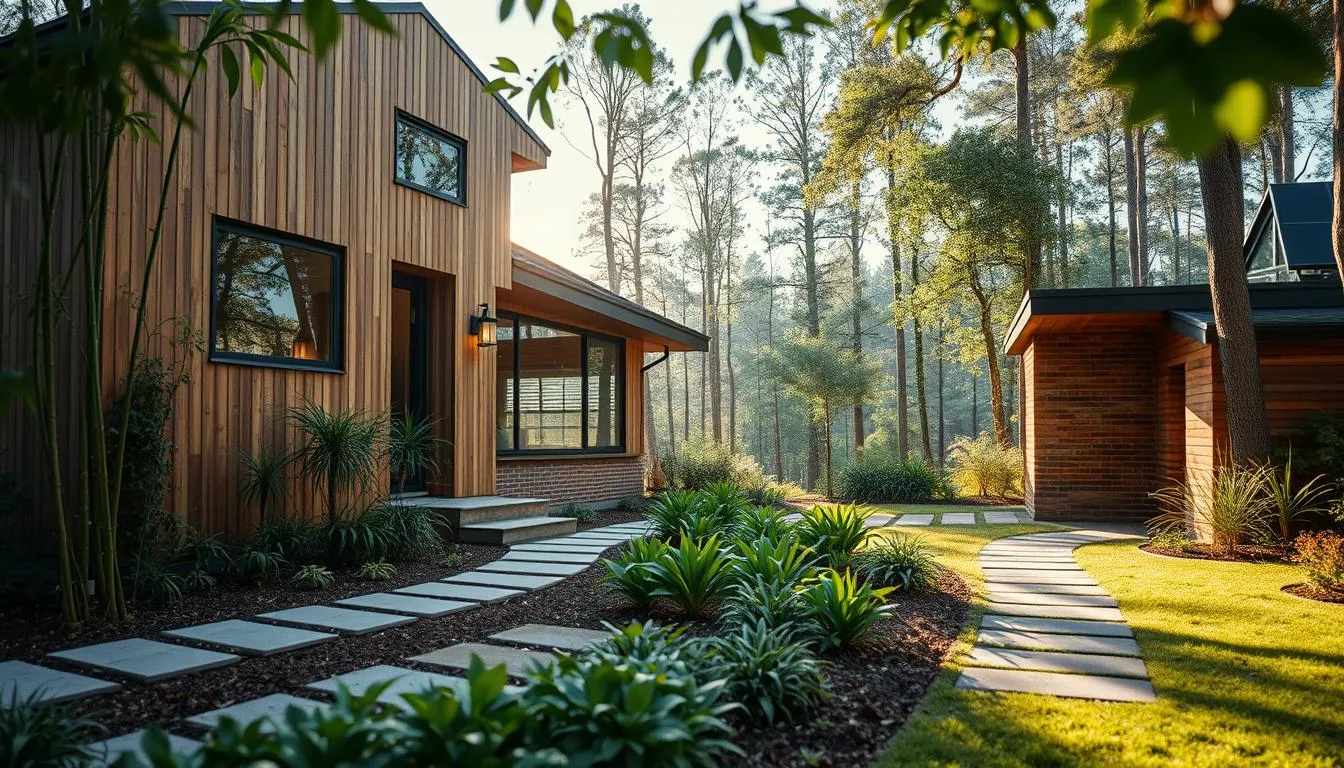 By choosing the right eco-friendly materials for different areas of your home, you can significantly reduce your environmental impact while creating a healthier living space.
Sustainable Flooring Solutions
For homeowners looking to reduce their environmental footprint, selecting the right sustainable flooring is a key consideration. Flooring is not just a foundational element of our living spaces; it’s also a significant factor in the overall eco-friendliness of our homes.
Bamboo and Cork Options
Bamboo and cork are highly renewable resources that make excellent eco-friendly flooring choices. **
Bamboo flooring** is particularly popular due to its durability and aesthetic appeal. It’s also highly resistant to moisture and temperature changes, making it suitable for various rooms in the house. On the other hand, cork flooring offers a soft, warm underfoot feel and is known for its acoustic insulation properties. Both materials are biodegradable and require minimal processing, reducing their environmental impact.
Reclaimed and FSC-Certified Wood
Reclaimed wood and FSC-certified wood are other sustainable options for flooring. Reclaimed wood is salvaged from old buildings, barns, or trees that have fallen, giving it a unique history and character. FSC-certified wood, on the other hand, is sourced from forests that are managed responsibly, ensuring that the wood is harvested in a way that maintains the forest’s ecological integrity. Choosing these options supports eco-friendly flooring practices and reduces the demand for virgin timber.
Natural Linoleum and Other Alternatives
Natural linoleum is another eco-friendly flooring option made from natural materials such as linseed oil, wood flour, and cork. It’s biodegradable, durable, and available in a variety of colors and patterns. Other alternatives include recycled-content flooring and innovative materials made from natural waste. These options not only reduce waste but also offer unique aesthetic possibilities for homeowners looking to create a sustainable and stylish living space.
By choosing sustainable flooring solutions, homeowners can significantly reduce their environmental impact while enhancing the beauty and value of their homes. Whether you opt for bamboo, reclaimed wood, or natural linoleum, there’s an eco-friendly flooring option to suit every style and budget.
Eco-Friendly Kitchen Materials
The journey to a greener kitchen begins with understanding and selecting eco-friendly materials. Your kitchen is the heart of your home, and making it sustainable can significantly impact your environmental footprint.
Sustainable Countertop Options
When it comes to countertops, there are several eco-friendly options to consider:
- **
Recycled Glass Countertops:
Made from recycled glass and often combined with sustainable materials like concrete or cement.
- **Bamboo Countertops:
Bamboo is a highly renewable resource that requires minimal pesticides and fertilizers.
- **
Granite or Quartz:
While not entirely eco-friendly due to mining, some granite and quartz options are considered sustainable due to their durability and longevity.
Green Cabinetry Choices
Cabinetry is a significant component of kitchen design. For a more sustainable approach, consider:
- **Reclaimed or Salvaged Wood:
Reduces the demand for new lumber and preserves the history and character of the wood. 2. **FSC-Certified Wood:
Ensures that the wood is sourced from responsibly managed forests. 3. For more information on eco-friendly cabinetry, visit Kitchen Cabinet Guys for expert insights on sustainable cabinet refacing.
Energy-Efficient Appliance Considerations
Energy-efficient appliances are crucial for reducing your kitchen’s environmental impact. Look for:
- **ENERGY STAR Rated Appliances:
These appliances meet energy efficiency standards set by the U.S. Environmental Protection Agency.
- **
Induction Cooktops:
More energy-efficient than traditional electric or gas stoves.
By focusing on these areas, you can significantly reduce your kitchen’s ecological footprint while creating a beautiful and functional space.
Green Bathroom Solutions
Bathroom renovations offer a unique opportunity to incorporate eco-friendly practices. By choosing the right materials and fixtures, you can significantly reduce your environmental footprint while creating a healthier space.
Water-Efficient Fixtures
One of the simplest ways to make your bathroom more sustainable is by installing water-efficient fixtures. Low-flow showerheads and toilets can dramatically reduce water consumption. For instance, look for showerheads with a flow rate of 2.0 gallons per minute or less, and toilets that use 1.28 gallons per flush or less.
Sustainable Surface Materials
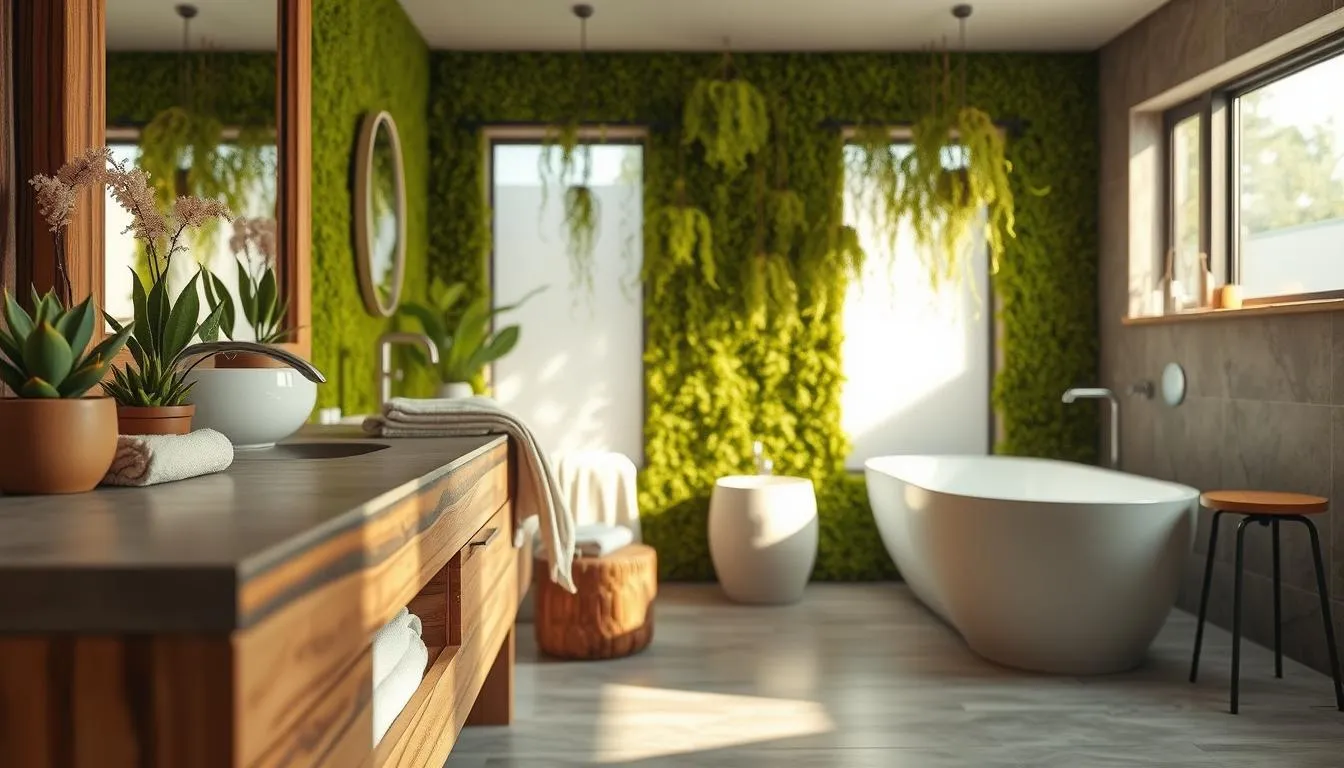
The materials you choose for your bathroom surfaces can have a significant impact on the environment. Consider using sustainable materials like recycled glass countertops, bamboo flooring, or porcelain tiles made from recycled content. These materials not only reduce waste but also offer durability and style.
Non-Toxic Bathroom Products
Many conventional bathroom products contain harmful chemicals that can affect indoor air quality and your health. Opt for non-toxic bathroom products, such as natural soaps, shampoos, and cleaning supplies. Look for products with certifications like EPA Safer Choice or Leaping Bunny to ensure they meet rigorous standards for safety and sustainability.
By incorporating these green bathroom solutions, you can enjoy a more sustainable and healthier bathroom environment. Whether you’re doing a full renovation or just making a few updates, every eco-friendly choice counts.
Understanding Eco-Certifications and Standards
As consumers become more environmentally conscious, understanding eco-certifications and standards is crucial for making informed decisions when choosing sustainable building materials. The numerous labels and certifications can be confusing, but they play a vital role in identifying green products.
LEED, ENERGY STAR, and Other Building Certifications
Certifications like LEED (Leadership in Energy and Environmental and ENERGY STAR are well-known in the construction industry. LEED is a globally recognized symbol of sustainability achievement, while ENERGY STAR is a program run by the U.S. Environmental Protection Agency that helps businesses and individuals save money and reduce greenhouse gas emissions through energy-efficient products and practices.
Product-Specific Environmental Labels
Besides building certifications, there are product-specific environmental labels that indicate compliance with certain environmental standards. Examples include the Forest Stewardship Council (FSC) label for wood products and the Greenguard Gold certification for indoor air quality.
How to Verify Environmental Claims
To ensure the authenticity of environmental claims, it’s essential to look for third-party verification. Check if the product or building material has been certified by a reputable organization. You can also consult resources like the Treehugger guide to sustainable certifications for more information.
| Certification | Description | Focus Area |
|---|---|---|
| --- | --- | --- |
| LEED | Leadership in Energy and Environmental Design | Building Design and Construction |
| ENERGY STAR | Energy Efficiency Certification | Energy Efficiency |
| FSC | Forest Stewardship Council | Sustainable Forestry |
As sustainability becomes a priority in home renovation, it’s crucial to address common misconceptions about eco-friendly materials. Many homeowners are eager to make the switch to greener options, but misinformation can be a significant barrier.
Addressing Concerns About Durability
Eco-friendly materials are often perceived as being less durable than their conventional counterparts. However, many sustainable materials are designed to be just as durable, if not more so. For example, reclaimed wood not only adds character to a home but can also be more durable than new wood due to its age and density.
The Truth About Costs
Another misconception is that eco-friendly materials are always more expensive. While some sustainable options may have a higher upfront cost, they can offer long-term savings through energy efficiency and reduced maintenance. For instance, double-glazed windows made from sustainable materials may cost more initially but can significantly reduce heating bills over time.
Performance Comparisons with Conventional Materials
Some homeowners worry that eco-friendly materials won’t perform as well as conventional materials. However, many green materials have been engineered to match or exceed the performance of traditional options. For example, sustainable insulation materials like recycled denim or wool can offer comparable or even superior thermal performance to synthetic alternatives.
Budgeting for Your Sustainable Home Project
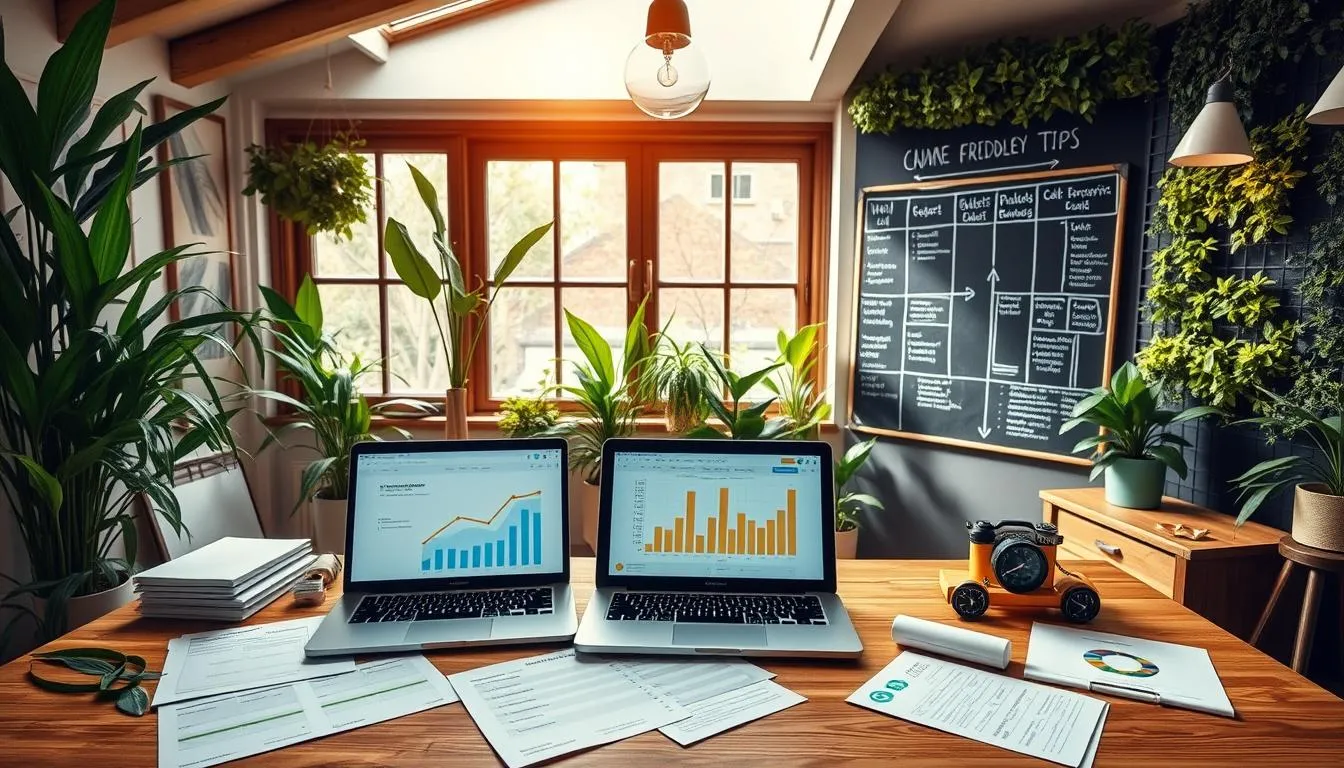
Budgeting is a crucial step in making your home more eco-friendly. When planning a sustainable home renovation, it’s essential to consider not just the initial costs, but also the long-term benefits and savings.
Initial Investments vs. Long-Term Savings
While some eco-friendly materials may have a higher upfront cost, they often lead to significant savings over time. For instance, energy-efficient appliances and insulation can reduce utility bills, and durable materials like bamboo flooring require less frequent replacement.
**
Investing in sustainable materials** not only benefits the environment but can also increase your home’s value. According to the National Association of Realtors, homes with green features can sell for up to 10% more than comparable homes without these features.
Prioritizing Green Materials by Impact
When budgeting for your sustainable home project, it’s helpful to prioritize materials based on their environmental impact. Start with materials that have the most significant effect on reducing your home’s carbon footprint, such as renewable energy systems or sustainable insulation.
- Consider the lifecycle cost of materials.
- Look for materials with eco-certifications like ENERGY STAR or FSC.
- Assess the durability and maintenance requirements of the materials.
Available Tax Incentives and Rebates
Many governments offer tax incentives and rebates for homeowners who invest in sustainable home improvements. These can help offset the initial costs of eco-friendly materials and technologies.
For example, the U.S. government provides tax credits for energy-efficient home upgrades, such as solar panels and energy-efficient windows. Check with local and federal authorities to explore available programs for choosing green products and sustainable home renovations.
Where to Source Quality Eco-Friendly Materials
Finding the right eco-friendly materials for your home renovation can be a daunting task, but knowing where to look can simplify the process. As you search for sustainable building materials, consider exploring local, online, and reclaimed sources.
Local Suppliers and Manufacturers
Local suppliers and manufacturers are excellent sources for eco-friendly materials. They often provide materials that are sustainably sourced and produced with environmentally friendly practices. Visiting local hardware stores or attending home and garden shows can connect you with suppliers who specialize in green products.
Online Marketplaces for Sustainable Products
The internet has made it easier than ever to find eco-friendly materials. Online marketplaces dedicated to sustainable products offer a wide range of materials, from recycled insulation to FSC-certified lumber. These platforms often provide detailed product information, making it easier to make informed decisions.
Salvage and Reclaimed Material Sources
For a truly unique and environmentally friendly approach, consider using reclaimed or salvaged materials. Salvage yards, Habitat for Humanity ReStores, and online platforms specializing in reclaimed materials can be treasure troves for those looking to reduce their environmental footprint.
By exploring these avenues, you can create a comprehensive eco-friendly materials guide for your project, ensuring your home is both beautiful and sustainable.
Working with Professionals on Green Home Projects
When embarking on a green home project, collaborating with the right professionals is crucial for achieving your sustainability goals. The success of your project depends on their expertise and commitment to eco-friendly practices.
Finding Eco-Conscious Contractors
To find contractors who share your environmental values, start by researching local professionals who specialize in green home renovations. You can check online directories, ask for referrals from friends or family members who have undertaken similar projects, or consult with local green building organizations. For more detailed guidance, refer to resources like the LaCrescent Green Remodeling Handbook for insights into best practices and local regulations.
Communicating Your Sustainability Goals
Once you’ve identified potential contractors, it’s essential to clearly communicate your sustainability goals and expectations. This includes discussing the materials to be used, energy efficiency measures, and waste reduction strategies. Ensure that your contractors understand the importance of choosing green products and their role in achieving your home renovation sustainability objectives.
Questions to Ask Before Hiring
Before hiring a contractor, prepare a list of questions to assess their experience and commitment to green building practices. Some key questions to ask include:
| Question | Purpose |
|---|---|
| What experience do you have with green home renovations? | Assess their background in sustainable building practices. |
| Can you provide examples of previous green projects? | Evaluate their portfolio and the quality of their work. |
| How do you source materials for green projects? | Understand their approach to choosing eco-friendly materials. |
Conclusion: Taking Steps Toward a More Sustainable Home
As we’ve explored throughout this eco-friendly materials guide, incorporating sustainable building materials into your home can have a significant impact on both the environment and your quality of life. From reducing energy consumption and operating costs to improving indoor air quality, the benefits of eco-friendly materials are clear.
By choosing materials like recycled steel, low-VOC paint, and reclaimed wood, you’re not only creating a healthier living space but also contributing to a more sustainable future. For more insights on sustainable building practices, you can visit PoweredNow’s blog on sustainable building practices, which offers valuable information on creating eco-friendly structures.
As you move forward with your home renovation or construction project, we encourage you to prioritize sustainability and consider the long-term effects of your material choices. By doing so, you’ll be taking a significant step towards creating a more eco-friendly home that benefits both you and the environment.
FAQ
What are the key characteristics of sustainable building materials?
Sustainable building materials are characterized by their low environmental impact, durability, and ability to be recycled or reused. They are typically made from renewable resources, have low VOC (Volatile Organic Compound) emissions, and are designed to minimize waste.
How do I choose the right eco-friendly materials for my home renovation?
When choosing eco-friendly materials, consider factors such as the material’s lifecycle assessment, its environmental impact, and its sustainability. Look for materials that are certified by organizations such as the Forest Stewardship Council (FSC) or ENERGY STAR.
Are eco-friendly materials more expensive than traditional materials?
While some eco-friendly materials may be more expensive upfront, they can offer long-term cost savings through energy efficiency and durability. Additionally, many eco-friendly materials are becoming more competitively priced as demand increases.
What are some examples of sustainable flooring options?
Sustainable flooring options include bamboo, cork, reclaimed wood, and natural linoleum. These materials are durable, renewable, and have low environmental impact.
How can I verify the environmental claims made by manufacturers?
To verify environmental claims, look for third-party certifications such as LEED or ENERGY STAR. You can also research the manufacturer’s sustainability policies and practices to ensure they align with your values.
What are some eco-friendly kitchen materials I can use?
Eco-friendly kitchen materials include sustainable countertops made from recycled materials, green cabinetry choices such as FSC-certified wood, and energy-efficient appliances.
How can I make my bathroom more sustainable?
To make your bathroom more sustainable, consider installing water-efficient fixtures, using sustainable surface materials, and choosing non-toxic bathroom products.
What are some common misconceptions about eco-friendly materials?
Common misconceptions about eco-friendly materials include the idea that they are always more expensive, less durable, or less effective than traditional materials. In reality, many eco-friendly materials offer comparable or superior performance to traditional materials.
How can I budget for a sustainable home project?
To budget for a sustainable home project, consider the initial investment versus long-term savings, prioritize green materials based on their environmental impact, and explore available tax incentives and rebates.
Where can I source quality eco-friendly materials?
You can source quality eco-friendly materials from local suppliers and manufacturers, online marketplaces for sustainable products, and salvage and reclaimed material sources.