How to Create a Zero-Waste Home
Embracing a zero-waste lifestyle begins with understanding its core philosophy. At its heart, the zero-waste approach is about making conscious choices to reduce waste and live more sustainably.

19 min read
Embracing a zero-waste lifestyle is an achievable goal that can significantly reduce your environmental footprint. By making conscious choices, you can minimize waste in your daily life and contribute to a healthier planet.
For instance, adopting practices like bulk buying and using refillable containers can eliminate a substantial amount of packaging waste. According to the Zero Waste guide, such simple changes can make a significant impact. You can start by assessing your current waste generation and identifying areas for improvement.
Key Takeaways
- Implement bulk buying to reduce packaging waste.
- Use refillable containers for cosmetics and household items.
- Compost food waste to minimize landfill contributions.
- Choose products with minimal or biodegradable packaging.
- Adopt a repair and reuse mindset to extend the life of your belongings.
Understanding the Zero-Waste Philosophy
Embracing a zero-waste lifestyle begins with understanding its core philosophy. At its heart, the zero-waste approach is about making conscious choices to reduce waste and live more sustainably.
The Five Rs: Refuse, Reduce, Reuse, Recycle, Rot
The zero-waste philosophy is built around the Five Rs: Refuse, Reduce, Reuse, Recycle, and Rot. These principles guide individuals in minimizing waste. Refusing unnecessary items, reducing consumption, and reusing products are the first steps. When items can’t be reused, recycling becomes crucial. Finally, rot or composting organic waste reduces landfill waste and creates nutrient-rich soil.
Environmental Impact of Household Waste
Household waste significantly impacts the environment, contributing to pollution, climate change, and waste management issues. The production, transportation, and disposal of waste consume resources and emit greenhouse gases.
Benefits of a Zero-Waste Lifestyle
Adopting a zero-waste lifestyle offers numerous benefits, including cost savings, reduced stress, and a greater sense of fulfillment. By minimizing waste, individuals can also contribute to a more sustainable future.
| Benefits | Description |
|---|---|
| Cost Savings | Reducing waste can lead to lower expenses on disposable products. |
| Reduced Stress | A clutter-free home and simplified consumption habits can reduce stress. |
| Environmental Impact | Minimizing waste reduces pollution and contributes to a more sustainable future. |
Understanding your current waste situation is the first step towards creating a zero-waste home. To make meaningful changes, you need to know what you’re throwing away.
Conducting a Waste Audit
A waste audit involves tracking your trash for one week and categorizing your waste. This process helps identify areas for improvement.
Tracking Your Trash for One Week
Start by recording everything you throw away for a week. This will give you a clear picture of your waste generation patterns.
Categorizing Your Waste
Once you’ve collected data, categorize your waste into types such as food packaging, plastics, and paper.
Identifying Your Biggest Waste Sources
By analyzing your waste categories, you can pinpoint your biggest waste sources and develop targeted strategies to reduce them.
| Waste Category | Examples | Reduction Strategies |
|---|---|---|
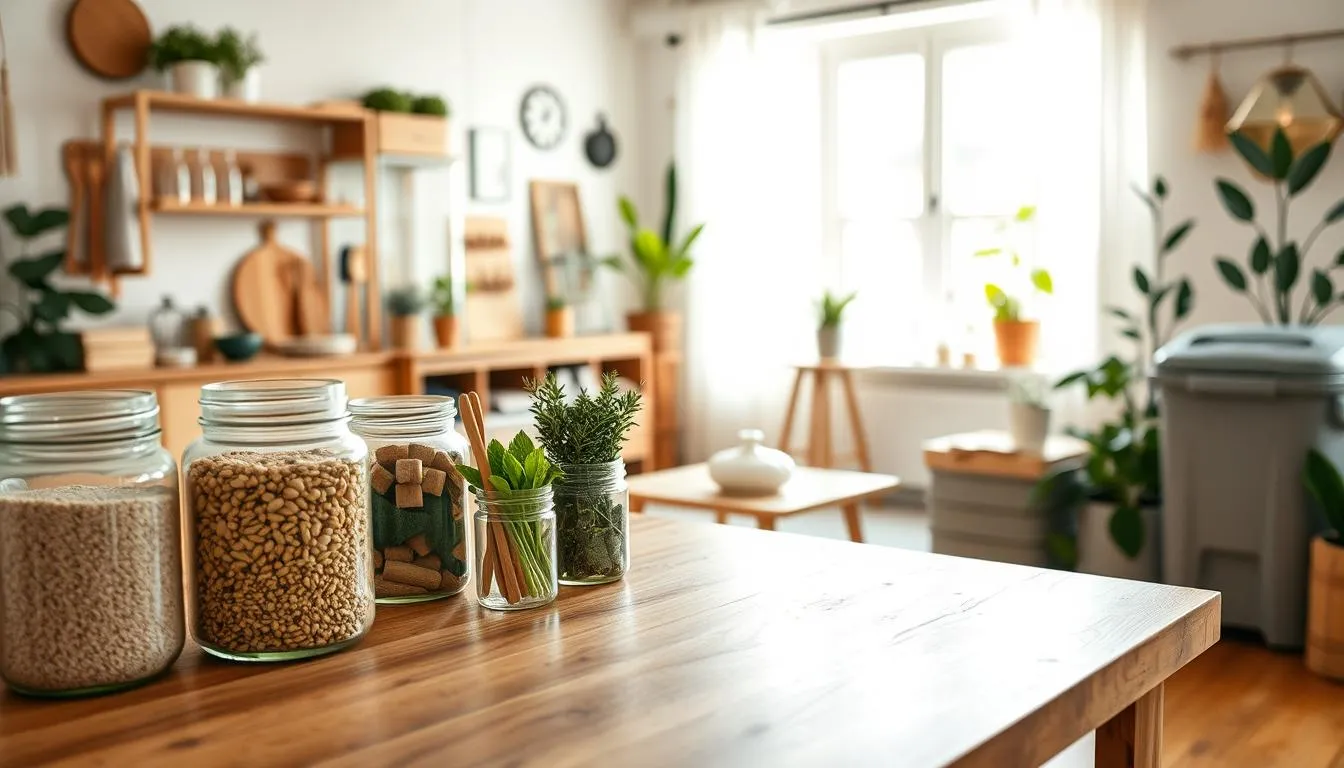
| Food Packaging | Plastic wrap, containers | Use reusable containers, buy in bulk |
| Single-Use Plastics | Bags, straws, cutlery | Switch to cloth bags, metal straws, bamboo cutlery |
Embarking on a zero-waste journey requires setting achievable goals that align with your lifestyle. This approach ensures that the transition to a more sustainable living environment is both manageable and sustainable in the long term.
Starting Small: The Gradual Approach
Begin with simple changes, such as switching to reusable bags or refusing single-use plastics. These initial steps are crucial in building momentum and confidence in your zero-waste journey. As you become more comfortable, you can introduce more significant changes.
Creating a Timeline for Implementation
Develop a timeline to implement your zero-waste goals. This could involve setting specific targets, like reducing your waste by a certain percentage within a few months. A timeline helps in staying focused and motivated.
Measuring Your Progress
Regularly assess your progress to identify areas of improvement and to celebrate your successes. This can be done by maintaining a waste journal or conducting periodic waste audits. Tracking your progress is a powerful motivator.
| Goal | Timeline | Progress Indicator |
|---|---|---|
| Reduce plastic use | 3 months | Switched to reusable alternatives |
| Minimize food waste | 2 months | Implemented meal planning |
| Increase recycling | 1 month | Set up recycling stations |
Essential Zero-Waste Swaps for Beginners
Transitioning to a zero-waste lifestyle begins with simple, effective swaps in your daily routine. By making a few straightforward changes, you can significantly reduce your household waste and contribute to a more sustainable environment.
Kitchen Essentials
One of the easiest places to start is in the kitchen. Swapping out disposable items for reusable alternatives can make a big difference.
Reusable Food Wraps and Containers
Switching to reusable food wraps and containers is a great first step. These items can be used multiple times, reducing the need for single-use plastics. Look for wraps made from natural wax or silicone containers that are durable and easy to clean.
Cloth Napkins and Towels
Replacing paper napkins and paper towels with cloth napkins and towels is another simple swap. Not only do they reduce waste, but they also add a touch of warmth to your kitchen.
Bathroom Necessities
The bathroom is another area where you can make significant changes with a few simple swaps.
Plastic-Free Toiletries
Opting for plastic-free toiletries such as soap bars, bamboo toothbrushes, and safety razors can greatly reduce plastic waste. Many brands now offer sustainable alternatives to traditional toiletries.
Sustainable Menstrual Products
For those who menstruate, switching to sustainable menstrual products like menstrual cups or reusable pads can significantly reduce waste. These products are not only better for the environment but can also be more cost-effective in the long run.
On-the-Go Items
When you’re on the go, it’s easy to accumulate waste from single-use items. However, there are several simple swaps you can make.
Water Bottles and Coffee Cups
Carrying a reusable water bottle and coffee cup can significantly reduce your waste. Look for insulated options that keep your drinks hot or cold for hours.
Utensil Kits and Food Containers
An utensil kit and a reusable food container are handy items to carry with you. They can help you avoid using disposable utensils and containers when you’re eating on the go.
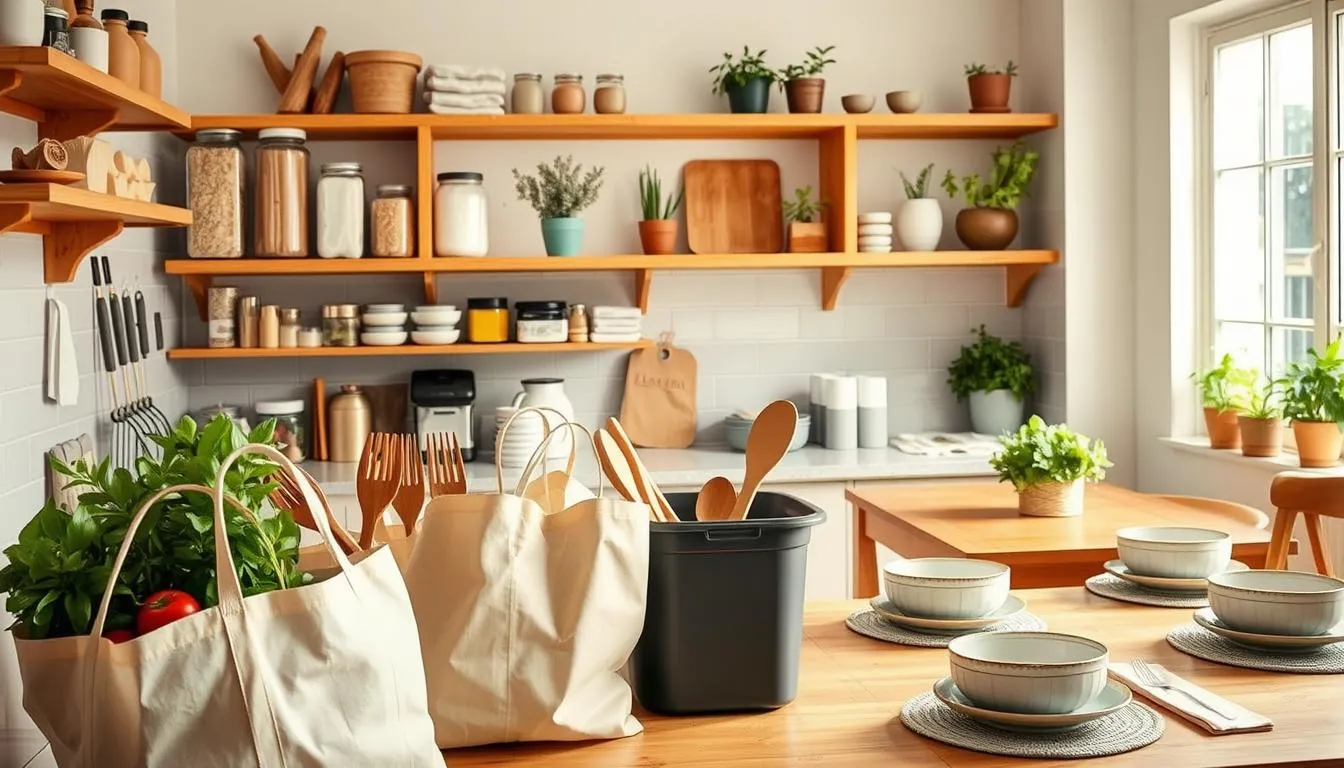 By implementing these simple swaps, you’ll be well on your way to creating a more sustainable, zero-waste home. Remember, every small change counts, and these beginner-friendly swaps are just the starting point for your zero-waste journey.
How to Zero Waste Your Kitchen
The kitchen is often the heart of the home, and making it zero-waste can have a significant impact on reducing your household’s environmental footprint. By implementing a few simple changes, you can significantly minimize waste and create a more sustainable cooking space.
Plastic-Free Food Storage Solutions
One of the first steps in creating a zero-waste kitchen is to eliminate plastic use. Switch to glass containers for storing food, which are not only eco-friendly but also healthier as they don’t leach chemicals into your food. Another effective solution is using beeswax wraps as an alternative to plastic wrap for covering bowls and wrapping snacks.
Sustainable Cooking Practices
Adopting sustainable cooking practices is crucial for a zero-waste kitchen. This includes using food scraps creatively and employing energy-efficient cooking methods.
Using Food Scraps Creatively
Instead of throwing away vegetable peels and leftovers, use them to make nourishing broths or compost tea. You can also repurpose stale bread into croutons or breadcrumbs.
Energy-Efficient Cooking Methods
Using energy-efficient appliances like induction cooktops or pressure cookers can significantly reduce energy consumption. Additionally, cooking in bulk and planning meals can help minimize the energy used for cooking.
Composting Food Scraps
Composting is a vital step in achieving a zero-waste kitchen. It involves turning food scraps into a valuable resource for your garden.
Indoor Composting Options
For those with limited outdoor space, indoor composting is a viable option. You can use worm composting bins or bokashi bins to compost food waste indoors, reducing odors and mess.
Outdoor Composting Systems
If you have outdoor space, setting up a compost bin or pile is an effective way to compost larger quantities of food waste. Ensure a mix of “green” (food scraps, grass clippings) and “brown” (dried leaves, straw) materials for efficient composting.
By implementing these step by step zero waste strategies in your kitchen, you’ll be well on your way to creating a more sustainable home. Start with small changes and gradually work your way up to a fully zero-waste kitchen, enjoying the process and the benefits it brings to the environment.
Creating a Zero-Waste Bathroom
Making your bathroom more sustainable is a journey that begins with small steps. By adopting eco-friendly habits and products, you can significantly reduce waste and create a healthier environment.
Eco-Friendly Personal Care Products
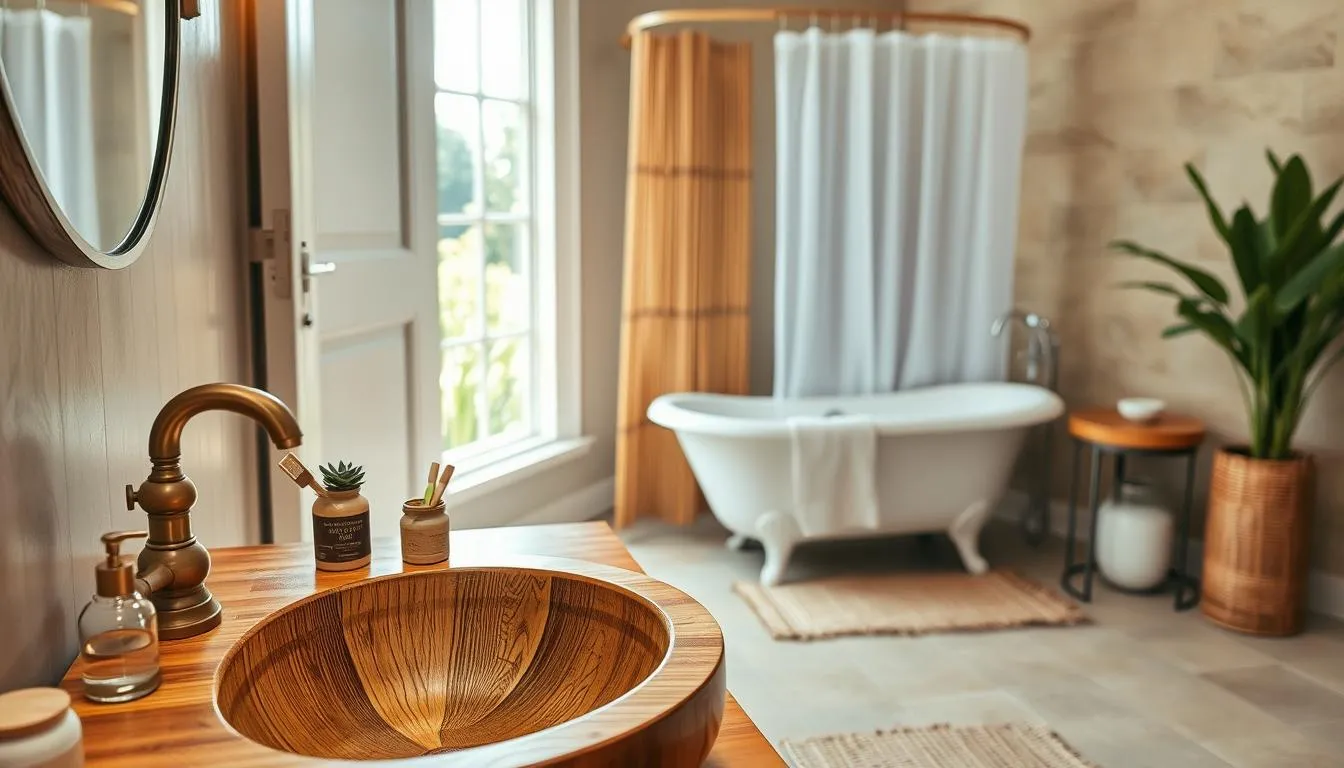
Switching to eco-friendly personal care products is a crucial step towards a zero-waste bathroom. Consider using solid shampoo and conditioner, which come with minimal or no packaging.
Solid Shampoo and Conditioner
Solid shampoo and conditioner bars are not only gentle on hair but also reduce plastic waste. Look for products with natural ingredients and minimal packaging.
Bamboo Toothbrushes and Plastic-Free Dental Care
Replace your plastic toothbrush with a bamboo toothbrush, which is biodegradable and sustainable. Additionally, consider dental floss made from silk or bamboo for a plastic-free oral care routine.
Sustainable Cleaning Solutions
Adopting sustainable cleaning solutions is another way to minimize waste in your bathroom. You can make your own cleaning products or switch to reusable cleaning tools.
DIY Cleaning Products
Creating your own cleaning products using natural ingredients like baking soda, vinegar, and lemon juice is an effective way to reduce chemical waste. Here鈥檚 a simple recipe:
- Mix 1 cup of water with 1 tablespoon of baking soda and 1 tablespoon of white vinegar.
- Add a few drops of your preferred essential oil for fragrance.
- Use this mixture to clean surfaces and remove stains.
Reusable Cleaning Tools
Switch to reusable cloths or sponges instead of disposable wipes. These can be washed and used multiple times, reducing waste significantly.
Reducing Water Waste
Being mindful of water usage is crucial in creating a sustainable bathroom. Simple actions like turning off the tap while brushing your teeth or taking shorter showers can make a big difference.
| Water-Saving Tip | Estimated Water Saved |
|---|---|
| Turning off tap while brushing teeth | 4 gallons per day |
| Taking a 5-minute shower | 20 gallons per day |
| Fixing a leaky faucet | 20 gallons per day |
Zero-Waste Shopping Strategies
To minimize waste, it’s essential to adopt smart shopping strategies. By being mindful of our purchasing habits, we can significantly reduce the amount of waste generated. One of the most effective ways to achieve this is by changing how we shop.
Finding Bulk Stores and Farmers Markets
A crucial step in zero-waste shopping is locating stores that offer bulk goods and visiting local farmers markets. These venues allow you to purchase items like grains, nuts, and fresh produce without the excess packaging often found in traditional retail stores. For more information on effective zero-waste shopping practices, you can visit this resource for additional tips.
Essential Reusable Shopping Tools
Having the right tools can make a significant difference in reducing waste while shopping. Reusable bags, containers, and produce bags are essential items to have on hand.
Produce Bags and Containers
Using reusable produce bags and containers is a simple yet effective way to cut down on single-use plastics. These can be used for a variety of items, from fruits and vegetables to bulk goods like nuts and dried fruits.
Bulk Bin Etiquette
When shopping at bulk stores, it’s essential to follow proper etiquette. This includes using the provided scoops and bags correctly, ensuring that you don’t contaminate the products, and being mindful of store policies.
Navigating Packaging-Free Shopping
Shopping without packaging requires some planning and awareness. Reading labels carefully and making informed choices are crucial steps in this process.
Reading Labels and Making Informed Choices
Understanding product labels can help you make more sustainable choices. Look for products with minimal or biodegradable packaging, and choose items in bulk to reduce waste.
Communicating with Retailers
Engaging with retailers about their packaging practices can influence change. By expressing your preferences for minimal or sustainable packaging, you can help drive the demand for more eco-friendly options.
To further illustrate the benefits of zero-waste shopping, consider the following comparison:
| Shopping Method | Waste Generated | Environmental Impact |
|---|---|---|
| Traditional Shopping | High | Significant |
| Zero-Waste Shopping | Low | Minimal |
Minimizing Waste in Living Spaces
Minimizing waste in living areas is a crucial step towards achieving a zero-waste lifestyle. This involves making conscious choices about the furniture and decor that fill your home.
Sustainable Furniture and Decor Choices
When it comes to furnishing your living spaces, opting for sustainable choices can significantly reduce waste. Consider the following options:
- Second-Hand and Upcycled Options: Explore thrift stores, online marketplaces, or local buy/sell/trade groups for second-hand furniture that can be refurbished or repurposed.
- Choosing Durable, Timeless Pieces: Invest in high-quality, timeless furniture that won’t need to be replaced often, reducing the waste associated with fast furniture.
Second-Hand and Upcycled Options
Embracing second-hand and upcycled furniture not only reduces waste but also adds character to your living space. You can find unique pieces that tell a story, and by refurbishing or repurposing them, you’re giving new life to items that might have otherwise ended up in a landfill.
Choosing Durable, Timeless Pieces
Investing in durable, timeless furniture may require a larger upfront cost, but it pays off in the long run by reducing the need for frequent replacements. Look for pieces made from solid woods or high-quality materials that are built to last.
Digital Decluttering and E-Waste Reduction
In today’s digital age, minimizing waste in living spaces also means addressing digital clutter and electronic waste. Here are some strategies to help you get started:
- Responsible Electronics Disposal: When it’s time to replace your electronics, make sure to dispose of them responsibly by recycling or donating working devices.
- Extending Device Lifespan: Take care of your devices by keeping them clean, updating software regularly, and avoiding overcharging to extend their lifespan.
Responsible Electronics Disposal
For more information on adopting a zero-waste lifestyle, check out this comprehensive zero waste lifestyle guide.
Extending Device Lifespan
Simple practices like regularly cleaning your devices, avoiding extreme temperatures, and using protective cases can significantly extend their lifespan, reducing the need for frequent replacements and the waste associated with them.
Zero-Waste Clothing and Textiles
As consumers become more environmentally conscious, the concept of zero-waste clothing and textiles gains momentum. The fashion industry is known for its significant environmental impact, and adopting zero-waste practices is a crucial step towards sustainability.
Building a Sustainable Wardrobe
Creating a sustainable wardrobe involves making conscious choices about the clothes you buy and wear. This starts with a quality over quantity approach, focusing on purchasing fewer, higher-quality items that will last longer.
Quality Over Quantity Approach
Investing in timeless pieces rather than fast fashion reduces the need for frequent purchases and decreases waste. Consider buying from brands that prioritize sustainability and ethical production practices.
Sustainable Fabric Choices
The choice of fabric is crucial in sustainable fashion. Opt for natural, organic materials like cotton, linen, and hemp, which have a lower environmental impact compared to synthetic fabrics.
Extending the Life of Your Clothes
Extending the life of your clothes is another key aspect of zero-waste fashion. This can be achieved through basic mending skills and proper garment care.
Basic Mending Skills
Learning to mend your clothes can significantly extend their lifespan. Simple repairs like fixing buttons, patching tears, and adjusting seams can make a big difference.
Proper Garment Care
Proper care includes washing clothes in cold water, avoiding over-drying, and storing them in a way that prevents damage. These practices not only extend the life of your clothes but also reduce energy consumption.
Ethical Disposal Options
When it’s time to dispose of clothing, there are several ethical options to consider. These include textile recycling programs, donation, and resale opportunities.
Textile Recycling Programs
Many communities have textile recycling programs that accept old clothes, regardless of their condition. These programs ensure that materials are recycled or repurposed, reducing landfill waste.
Donation and Resale Opportunities
Donating gently used clothes to charities or selling them through second-hand platforms gives your items a new life and reduces the demand for new, resource-intensive garments.
Overcoming Common Zero-Waste Challenges
Embracing a zero-waste lifestyle isn’t without its hurdles, but with the right strategies, you can overcome them. As you work towards creating a zero-waste home, you’ll likely face challenges that test your resolve and creativity.
Dealing with Gifts and Special Occasions
One of the common challenges is dealing with gifts and special occasions. Many gifts come wrapped in unnecessary packaging or are made from non-sustainable materials.
Communicating Your Preferences
To navigate this, it’s helpful to communicate your preferences to friends and family. You can do this by sharing your zero-waste goals and suggesting alternative gift ideas that align with your values.
Zero-Waste Gift Ideas
Some zero-waste gift ideas include experiences, consumable goods, or items made from sustainable materials. This approach not only reduces waste but also adds a thoughtful, personal touch to your gifts.
Managing Household Members’ Resistance
Another challenge is managing resistance from household members who may not be as enthusiastic about adopting a zero-waste lifestyle.
Education and Gentle Encouragement
Education plays a crucial role here. Sharing information about the benefits of a zero-waste lifestyle can help bring everyone on board. It’s also important to offer gentle encouragement and support as they make changes.
Finding Compromises
Finding compromises is key. You might start by implementing small changes that everyone can agree on, gradually building towards more significant adjustments.
Zero-Waste on a Budget
Many people believe that adopting a zero-waste lifestyle is expensive, but there are ways to do it on a budget.
Cost-Saving Zero-Waste Practices
Some cost-saving zero-waste practices include buying in bulk, repurposing items you already own, and choosing second-hand or sustainably made products.
Prioritizing Impactful Changes
It’s also helpful to prioritize impactful changes, focusing on areas that will make the biggest difference in reducing your waste.
By understanding and addressing these common challenges, you can more effectively maintain your zero-waste lifestyle and continue making progress towards your goals.
Conclusion: Your Zero-Waste Journey
Creating a zero-waste home is a rewarding path that benefits both you and the environment. By following a step by step zero waste approach, you can make significant changes in your daily life. Start by implementing zero waste home tips, such as reducing plastic use, composting food waste, and using reusable products.
Every small step counts, and gradual changes can lead to substantial impacts. Stay committed to your goals, be patient, and celebrate your successes along the way. Your journey towards a zero-waste lifestyle is a continuous process of improvement and growth, contributing to a more sustainable future for all.
As you continue on this path, remember that every change, no matter how small, brings you closer to your goal. By making conscious choices and adopting sustainable practices, you can create a more environmentally friendly home and inspire others to do the same.
FAQ
What is the first step in creating a zero-waste home?
The first step is to conduct a waste audit to understand your current waste situation and identify areas for improvement.
How can I reduce waste in my kitchen?
You can reduce waste in your kitchen by adopting plastic-free food storage solutions, using food scraps creatively, and composting food waste.
What are some simple zero-waste swaps for beginners?
Simple swaps include switching to reusable food wraps and containers, cloth napkins and towels, and using water bottles and coffee cups.
How can I make my bathroom more zero-waste friendly?
You can make your bathroom more zero-waste friendly by switching to eco-friendly personal care products, using reusable cleaning tools, and reducing water waste.
What are some strategies for zero-waste shopping?
Strategies for zero-waste shopping include finding bulk stores and farmers markets, using reusable shopping tools, and navigating packaging-free shopping by reading labels carefully.
How can I minimize waste in my living spaces?
You can minimize waste in your living spaces by making sustainable furniture and decor choices, such as opting for second-hand or upcycled items, and practicing digital decluttering and e-waste reduction.
What are some ways to adopt a zero-waste approach to clothing and textiles?
You can adopt a zero-waste approach to clothing and textiles by building a sustainable wardrobe, extending the life of your clothes through mending and proper care, and exploring ethical disposal options.
How can I overcome common zero-waste challenges, such as dealing with gifts and special occasions?
You can overcome common zero-waste challenges by communicating your preferences, exploring zero-waste gift ideas, and finding compromises with household members.
Is it possible to maintain a zero-waste lifestyle on a budget?
Yes, it is possible to maintain a zero-waste lifestyle on a budget by implementing cost-saving zero-waste practices and prioritizing impactful changes.
How can I stay motivated on my zero-waste journey?
You can stay motivated by celebrating your successes, setting realistic goals, and continuously educating yourself on zero-waste practices and their benefits.