How to Grow Your Own Herbal Garden Sustainably
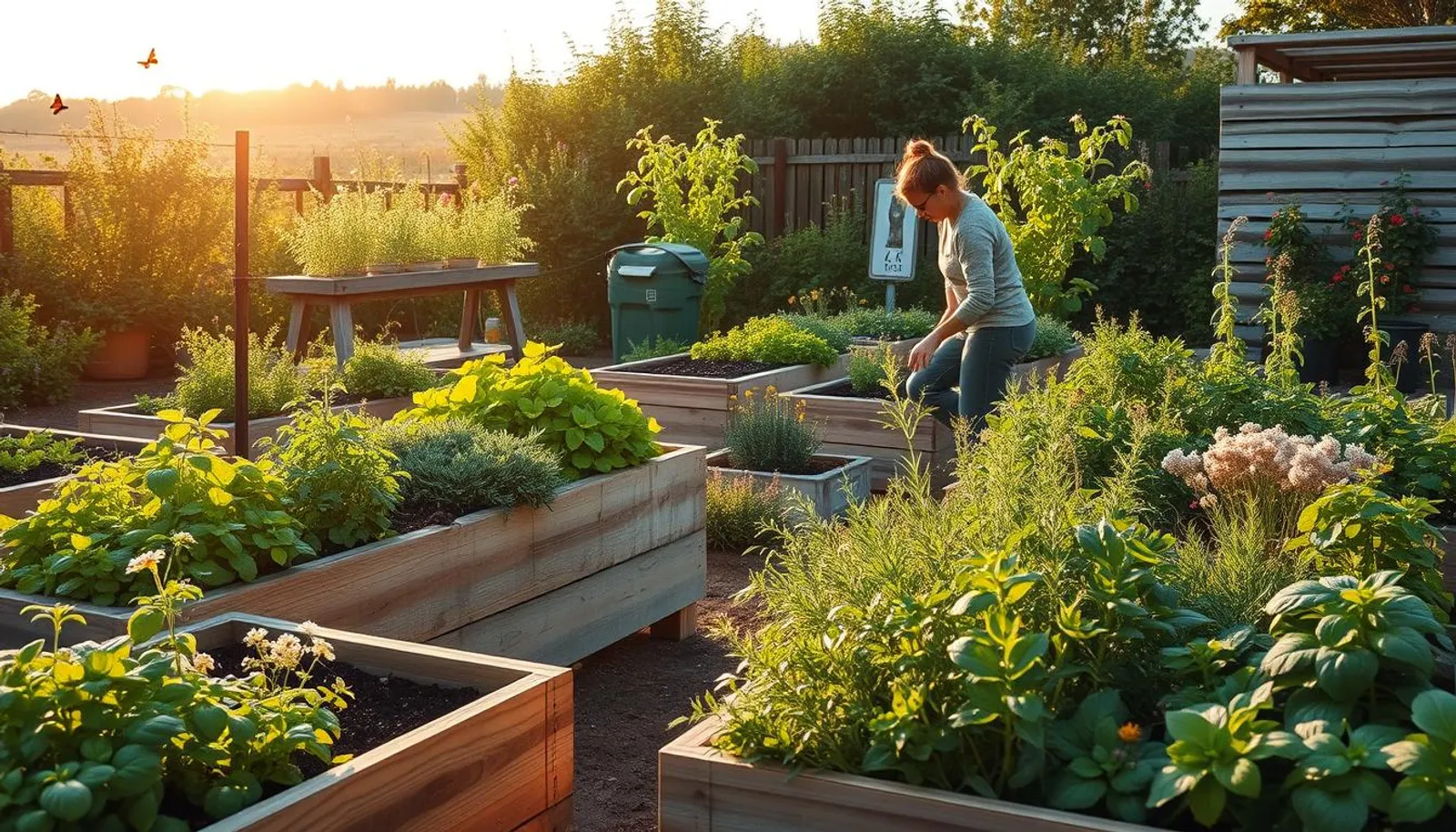
A well-planned herbal garden is the foundation of a sustainable gardening journey. It ensures that your garden is not only productive but also environmentally friendly.

15 min read
Growing your own herbal garden can be a rewarding experience, providing you with fresh flavors and fragrances right in your own backyard. By adopting sustainable practices, you can create a thriving garden that not only benefits you but also the environment.
To get started, it’s essential to understand the basics of growing herbs at home. This includes choosing the right herbs for your climate, preparing the soil, and providing the necessary care. By following these steps, you can enjoy a bountiful harvest of fresh herbs all year round.
Key Takeaways
- Choose the right herbs for your climate and soil type.
- Prepare the soil with organic matter to improve fertility.
- Water your herbs regularly, but avoid overwatering.
- Fertilize your herbs regularly to promote healthy growth.
- Consider using indoor gardening solutions for year-round harvests.
Benefits of Growing Your Own Herbs Sustainably
Embracing sustainable practices in herb gardening can lead to a multitude of benefits for both you and the environment. By adopting eco-friendly gardening tips, you can create a thriving herb garden that not only provides fresh produce but also supports the well-being of our planet.
Environmental Impact of Sustainable Herb Gardening
Sustainable herb gardening practices have a positive environmental impact. By using natural methods to control pests and diseases, and by conserving water, you reduce the carbon footprint associated with your herb garden. For more information on sustainable gardening practices, visit Chelsea Green.
Health Benefits of Fresh, Chemical-Free Herbs
Growing your own herbs sustainably means you have access to fresh, chemical-free produce right in your backyard. This not only enhances the flavor of your cooking but also ensures that you’re consuming herbs that are free from harmful pesticides and chemicals, contributing to better health.
Economic Advantages of Home Herb Production
Producing your own herbs at home can also have economic advantages. By reducing your reliance on store-bought herbs, you can save money on your grocery bills. Additionally, a well-maintained herb garden can increase your property value, making it a worthwhile investment.
Planning Your Sustainable Herbal Garden
A well-planned herbal garden is the foundation of a sustainable gardening journey. It ensures that your garden is not only productive but also environmentally friendly.
Assessing Your Space and Climate Conditions
Before you start planting, it’s crucial to assess your available space and climate conditions. Consider the amount of sunlight your garden receives and the local weather patterns. This assessment will help you choose herbs that are suitable for your environment. For more information on creating a thriving herbal garden, visit this resource.
Determining Your Herb Needs and Usage
Determine which herbs you use most frequently in your cooking or for medicinal purposes. This will help you decide which herbs to prioritize in your garden.
| Herb | Usage | Space Required |
|---|---|---|
| --- | --- | --- |
| Basil | Culinary | Medium |
| Mint | Medicinal, Culinary | High |
| Rosemary | Culinary | Low |
Plan your garden layout to maximize space and reduce waste. Consider companion planting to enhance growth and reduce pests.
Essential Sustainable Gardening Tools
Invest in sustainable gardening tools made from recycled or durable materials. This includes garden forks, compost bins, and watering cans.
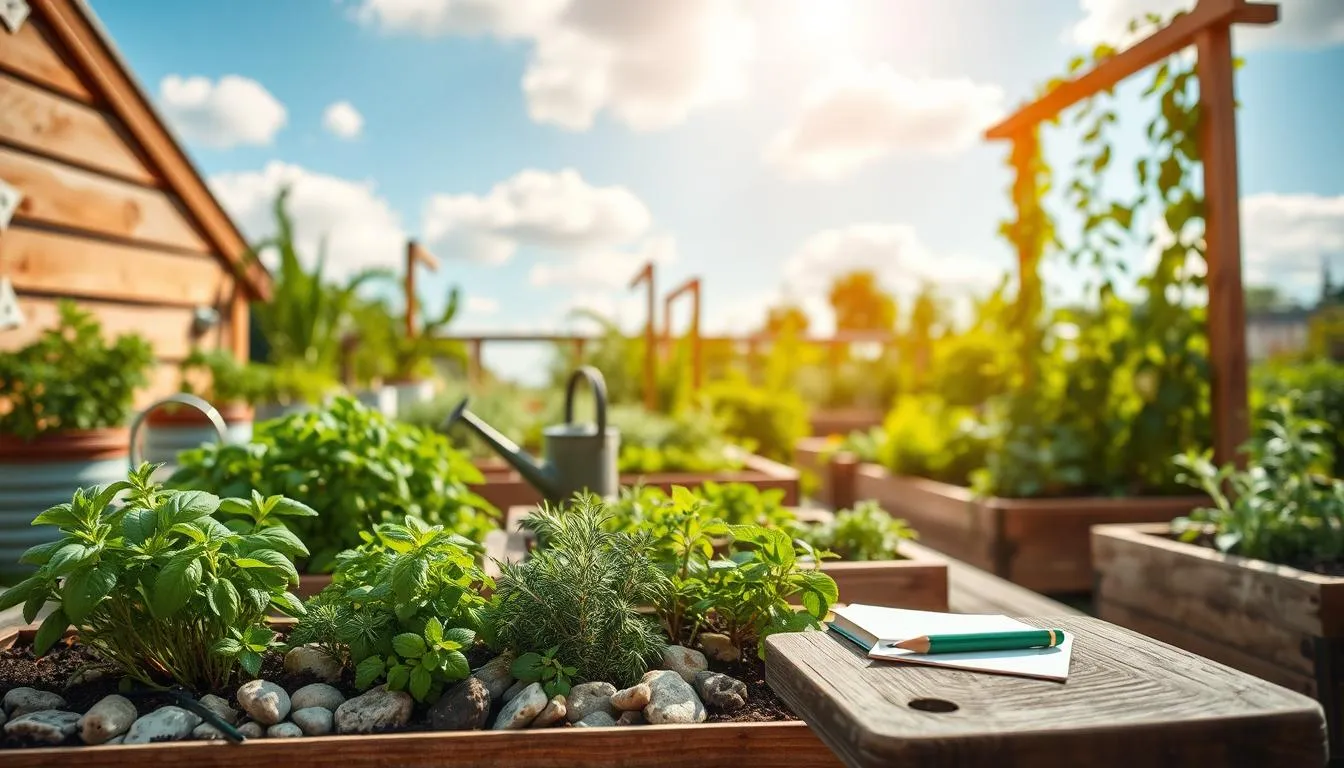 By following these steps, you can create a thriving and sustainable herbal garden that meets your needs while being gentle on the environment.
Choosing the Right Location for Your Herbs
The right location can make all the difference in growing a thriving and sustainable herbal garden. When planning your garden, consider the specific needs of the herbs you want to grow. This includes assessing the available sunlight, protection from harsh weather conditions, and making the most of your space.
Sunlight Requirements for Different Herbs
Most herbs require adequate sunlight to grow well. For example, herbs like basil and rosemary need full sun, while mint and parsley can tolerate partial shade. Understanding the sunlight requirements of your herbs will help you position them correctly in your garden. Consider using smart gardening techniques to maximize sunlight exposure.
Protection from Elements and Weather Extremes
Herbs need protection from extreme weather conditions such as strong winds, frost, and excessive rain. Planting them in a sheltered location or using protective measures like windbreaks can help. You can also use cold frames or greenhouses to extend the growing season and protect your herbs from harsh weather.
Space-Saving Options for Limited Areas
If you have limited space, there are still plenty of options for growing herbs. Consider using vertical gardening techniques or container gardens to make the most of your available space. This will not only help you grow a variety of herbs but also add a decorative element to your home or garden.
By carefully selecting the right location for your herbs and considering their specific needs, you can create a thriving and sustainable herbal garden that provides you with fresh herbs all year round.
Selecting Herbs for Your Sustainable Garden
The foundation of a successful sustainable herbal garden lies in the careful selection of herbs that will flourish in your specific growing conditions. This involves understanding the unique needs of different herbs and how they can complement each other in your garden.
Easy-to-Grow Herbs for Beginners
For those new to herbal gardening, starting with easy-to-grow herbs is a great way to build confidence and ensure a successful harvest. Herbs like basil, mint, and chives are perfect for beginners. They are hardy, require minimal care, and can thrive in a variety of conditions. You can find a wide variety of these herbs at mygardyn.com, which offers a range of plants suitable for different gardening needs.
Companion Planting: Herbs That Thrive Together
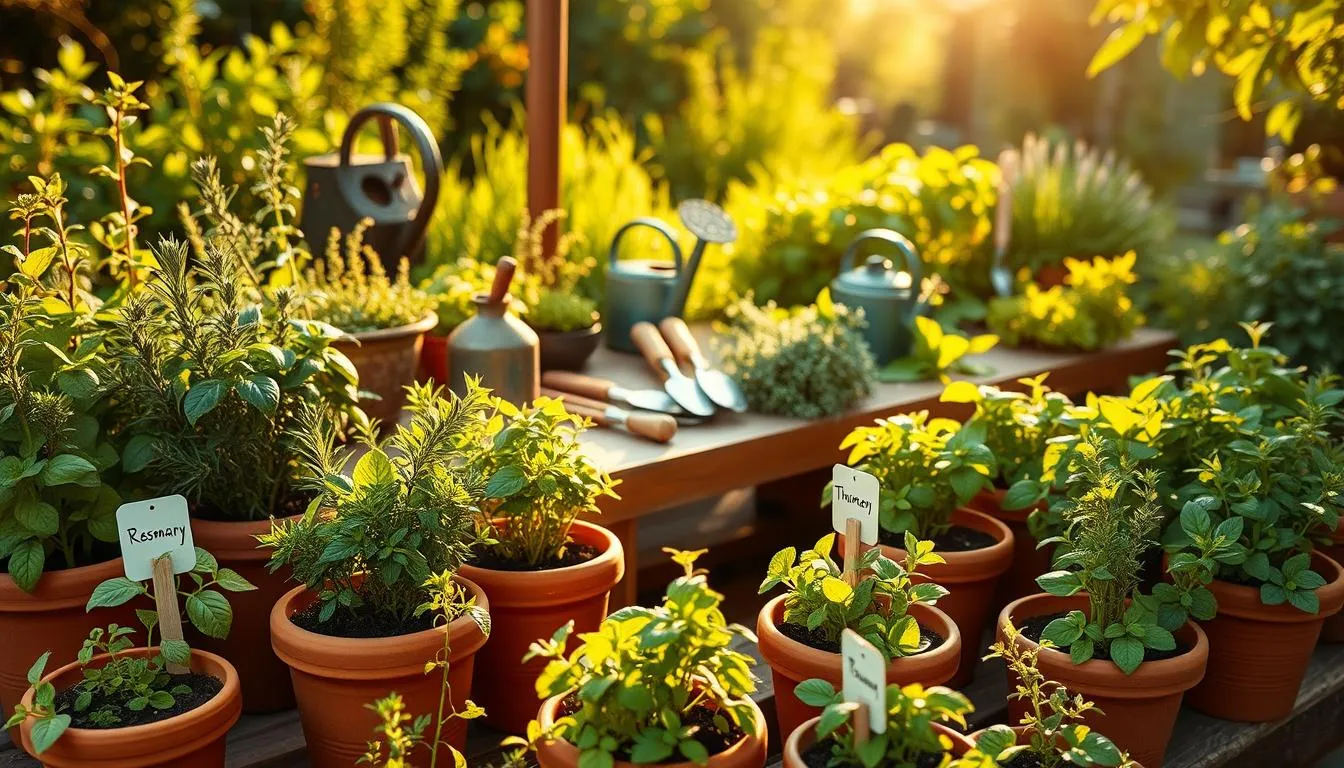
Companion planting is a valuable technique in sustainable gardening, where certain plants are grown together to improve growth, health, and productivity. For example, planting marjoram alongside vegetables can enhance their flavor and repel pests. Similarly, chamomile can help improve the health of nearby plants by providing a calming effect on the soil. Understanding which herbs thrive together can help you create a balanced and diverse garden ecosystem.
Native and Adaptive Herbs for Your Region
Choosing herbs that are native or adaptive to your region is a key aspect of sustainable gardening. These herbs are naturally suited to the local climate and soil conditions, requiring less water, fertilizers, and pest management. For instance, if you live in a dry region, herbs like rosemary and thyme are excellent choices as they are drought-tolerant. By selecting regionally appropriate herbs, you can reduce your garden’s environmental impact.
Perennial vs. Annual Herbs: Making Sustainable Choices
When selecting herbs, it’s also important to consider whether they are perennial or annual. Perennial herbs, such as sage and oregano, come back year after year, reducing the need for frequent replanting. Annual herbs, like basil and dill, need to be replanted each season but can offer a continuous harvest. Making a mix of both perennial and annual herbs can provide a sustainable and diverse herbal garden.
By carefully selecting the right herbs for your sustainable garden, you can create a thriving, eco-friendly space that provides fresh flavors and medicinal benefits while minimizing environmental impact.
Sustainable Herbal Gardening Practices
Adopting sustainable practices in your herbal garden not only benefits the environment but also enhances the health and productivity of your plants. By implementing eco-friendly gardening techniques, you can create a thriving herbal garden that is both productive and environmentally friendly.
Water Conservation Techniques
Conserving water is a crucial aspect of sustainable herbal gardening. Techniques such as drip irrigation and mulching can significantly reduce water waste. **
Drip irrigation** delivers water directly to the roots of the plants, minimizing evaporation and runoff. Additionally, using organic mulch helps retain soil moisture and suppress weeds.
Natural Pest Management Strategies
Managing pests without harming the environment is vital for sustainable herbal gardening. **
Companion planting** is an effective method where certain herbs are planted together to deter pests. For example, basil repels aphids, while mint can deter pests like cabbage moths. Using natural pest repellents and encouraging beneficial insects are also key strategies.
Reducing Garden Waste Through Composting
Composting is a simple and effective way to reduce garden waste and create nutrient-rich soil for your herbs. By composting kitchen scraps and garden waste, you can produce a natural fertilizer that promotes healthy plant growth. **
Composting** also helps reduce the amount of waste sent to landfills, contributing to a more sustainable gardening practice.
Energy-Efficient Garden Maintenance
Maintaining your herbal garden in an energy-efficient manner involves using manual or electric tools instead of gas-powered equipment. **
Manual tools** like hand pruners and garden forks are not only energy-efficient but also quieter and more cost-effective. For larger tasks, consider using electric gardening tools, which are generally more environmentally friendly than their gas-powered counterparts.
Preparing and Maintaining Healthy Soil
Healthy soil is the backbone of a sustainable herbal garden, providing the necessary nutrients for herbs to flourish. A well-prepared soil foundation is crucial for the success of your herbal garden, supporting the overall health and resilience of the plants.
Composting Basics for Herb Gardens
Composting is a vital practice for creating nutrient-rich soil. By decomposing organic materials like kitchen scraps, leaves, and grass clippings, you can create a natural fertilizer that enhances soil fertility and structure. To start composting, layer ‘green’ materials (like food scraps) with ‘brown’ materials (like dried leaves) in a compost bin, ensuring adequate moisture and aeration.
Natural Fertilizers and Amendments
In addition to composting, using natural fertilizers and amendments can further enhance soil health. Options include fish emulsion, bone meal, and manure tea, which provide essential nutrients for plant growth. These natural amendments promote a balanced soil ecosystem, reducing the need for synthetic fertilizers.
Soil Testing and pH Balancing
Regular soil testing is essential to determine your soil’s pH level and nutrient content. Based on the test results, you can adjust the pH by adding lime to raise it or sulfur to lower it, ensuring an optimal range for your herbs. Most herbs prefer a slightly acidic to neutral soil pH, between 6.0 and 7.0.
No-Till and Low-Impact Cultivation Methods
Adopting no-till or low-impact cultivation methods can help preserve soil structure and minimize disturbance to the soil ecosystem. These methods reduce erosion, promote soil biota, and maintain soil organic matter, all of which contribute to a healthier and more sustainable herbal garden.
By implementing these strategies, you can create a thriving soil environment that supports the growth of healthy, aromatic herbs, enhancing your herbal garden’s overall productivity and sustainability.
Planting and Caring for Your Herbs
To ensure a thriving herbal garden, understanding the basics of planting and care is essential. This knowledge will help you create a sustainable herbal gardening environment where your herbs can flourish.
Starting from Seeds vs. Seedlings
When it comes to starting your herbal garden, you have two primary options: seeds or seedlings. Starting from seeds can be cost-effective and allows for a wider variety of herbs. However, seedlings provide a head start, especially for beginners. Consider your experience level and the specific needs of the herbs you’re growing.
Proper Planting Techniques for Different Herbs
Different herbs have unique planting requirements. For instance, basil prefers well-drained soil and full sun, while mint is more adaptable but can be invasive. Understanding these needs is crucial for eco-friendly gardening tips that promote healthy growth.
Sustainable Watering Practices
Watering is a critical aspect of herb care. Overwatering can lead to root rot, while underwatering can stress the plants. Implementing sustainable watering practices, such as drip irrigation or soaker hoses, can help conserve water while keeping your herbs healthy.
Pruning and Maintenance for Optimal Growth
Regular pruning and maintenance are vital for the longevity and health of your herbal garden. Pruning encourages bushy growth and prevents herbs from flowering and going to seed. It’s also an opportunity to inspect your plants for any signs of pests or disease, allowing for early intervention.
Harvesting and Using Your Homegrown Herbs
Harvesting your homegrown herbs is a delightful process that allows you to savor the flavors and aromas you’ve cultivated. As you gather your herbs, you’re not just collecting plants; you’re bringing home a piece of your garden’s magic to enhance your cooking and well-being.
When and How to Harvest Different Herbs
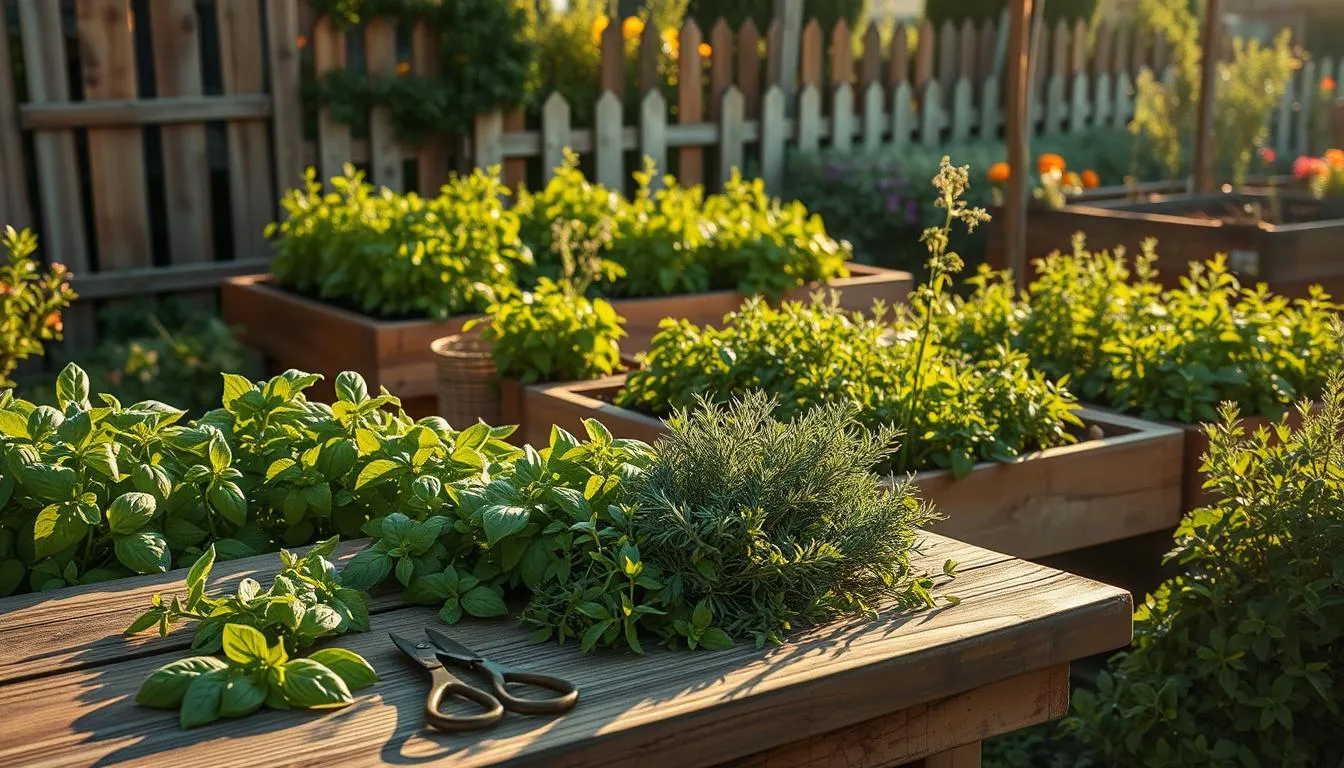
The timing and method of harvesting vary depending on the herb. For leafy herbs like basil and mint, it’s best to harvest in the morning, after the dew has dried but before the heat of the day. Pinch or cut off the leaves or stems as needed, taking care not to damage the plant. For herbs like rosemary and thyme, you can harvest throughout the growing season, pruning them back to encourage new growth.
Sustainable Preserving Methods
To enjoy your herbs year-round, consider preserving them through drying, freezing, or making herb-infused oils. Drying is a simple method that works well for herbs like oregano and sage. You can air-dry them by tying the stems in small bunches and hanging them upside down in a warm, dry place. Freezing is another excellent method, especially for herbs like parsley and cilantro, which can be chopped and frozen in ice cube trays with a little water or olive oil.
Creative Culinary and Medicinal Uses
Homegrown herbs can elevate your cooking and provide natural remedies for various ailments. Use fresh or dried herbs to make teas, soups, salads, and sauces. For example, a soothing chamomile tea can help with sleep, while a fresh basil pesto can add flavor to pasta dishes. Herbs like calendula and chamomile have anti-inflammatory properties, making them useful in homemade salves and creams.
| Herb | Culinary Use | Medicinal Use |
|---|---|---|
| --- | --- | --- |
| Basil | Pesto, salads, pasta | Antioxidant, anti-inflammatory |
| Mint | Teas, desserts, salads | Digestive aid, freshening breath |
| Rosemary | Roasted meats, vegetables | Improves memory, antioxidant |
Saving seeds from your herbs is a cost-effective way to propagate new plants. Allow the seed heads to dry on the plant, then harvest and store them in a cool, dry place. Some herbs, like basil and cilantro, produce viable seeds, while others, like mint, are more challenging to save due to their complex reproductive cycles.
By harvesting, preserving, and using your homegrown herbs creatively, you can enjoy the fruits of your labor throughout the year, enhancing your culinary experiences and contributing to a more sustainable lifestyle.
Conclusion
Embracing sustainable herbal gardening practices not only benefits the environment but also enhances your well-being. By following the eco-friendly gardening tips outlined in this article, you can create a thriving herbal garden that provides fresh, chemical-free herbs for your culinary and medicinal needs.
As you start your sustainable herbal gardening journey, remember to assess your space and climate conditions, choose the right herbs for your needs, and implement sustainable gardening practices. With a little planning and care, you can enjoy the many rewards of growing your own herbs sustainably.
By adopting sustainable herbal gardening practices, you contribute to a healthier planet and a more sustainable future. So, get started today and experience the joy of harvesting your own homegrown herbs, knowing you’re making a positive impact on the environment.
FAQ
What are the benefits of growing my own herbal garden sustainably?
Growing your own herbal garden sustainably can have numerous benefits, including reducing your environmental impact, providing you with fresh and chemical-free herbs, and saving you money on grocery bills.
How do I choose the right location for my herbal garden?
To choose the right location for your herbal garden, consider factors such as sunlight requirements, protection from elements, and space-saving options. Most herbs require at least 4-6 hours of direct sunlight per day.
What are some easy-to-grow herbs for beginners?
Some easy-to-grow herbs for beginners include basil, mint, cilantro, parsley, and chives. These herbs are relatively low-maintenance and can thrive in a variety of conditions.
How can I conserve water in my herbal garden?
To conserve water in your herbal garden, use techniques such as drip irrigation, mulching, and collecting rainwater. These methods can help reduce waste and ensure that your herbs receive the right amount of moisture.
What are some natural pest management strategies for my herbal garden?
Some natural pest management strategies for your herbal garden include using neem oil, introducing beneficial insects, and practicing companion planting. These methods can help control pests without harming the environment.
How can I maintain healthy soil in my herbal garden?
To maintain healthy soil in your herbal garden, use techniques such as composting, adding natural fertilizers, and testing your soil pH. These methods can help create a thriving soil ecosystem that supports the growth of your herbs.
Can I grow herbs in small or limited spaces?
Yes, you can grow herbs in small or limited spaces by using containers, vertical gardening, or other space-saving options. These methods can help you make the most of your available space and still enjoy a bountiful harvest.
How do I harvest and preserve my homegrown herbs?
To harvest and preserve your homegrown herbs, use techniques such as pinching or cutting off flower buds, drying or freezing, and making herbal infusions or oils. These methods can help you enjoy your herbs year-round and preserve their flavor and medicinal properties.