How to Reduce Your Carbon Footprint
The journey to a more sustainable lifestyle begins with understanding and calculating your carbon footprint. This crucial step allows you to identify areas where you can make significant reductions in your environmental impact.


17 min read
As the world grapples with the challenges of climate change, reducing our carbon footprint has become a pressing concern. The average American’s carbon footprint is significantly higher than the global average, with the United States being one of the largest emitters of greenhouse gases. By making conscious choices in our daily lives, we can significantly lower our carbon emissions.
According to Columbia Climate School, there are numerous ways to reduce our carbon footprint, from simple actions like conserving energy and water to more significant lifestyle changes such as adopting a plant-based diet or using public transport. For more detailed information, you can explore the 35 ways to reduce your carbon guide.
Key Takeaways
- Conserving energy and water reduces carbon emissions.
- Adopting a plant-based diet can lower your carbon footprint.
- Using public transport or driving electric vehicles reduces emissions.
- Simple actions like reducing meat consumption and using energy-efficient appliances make a difference.
- Being mindful of consumption and waste can significantly impact carbon reduction.
Understanding Your Carbon Footprint
The journey to a more sustainable lifestyle begins with understanding and calculating your carbon footprint. This crucial step allows you to identify areas where you can make significant reductions in your environmental impact.
What Is a Carbon Footprint and Why It Matters
A carbon footprint measures the amount of greenhouse gases, particularly carbon dioxide, that are released into the atmosphere as a result of your daily activities. It matters because these emissions contribute to global warming and climate change, affecting ecosystems, weather patterns, and human health.
How to Calculate Your Current Carbon Footprint
To calculate your carbon footprint, you can use online calculators that consider factors such as your energy consumption, transportation habits, and dietary choices. These tools provide a comprehensive assessment of your environmental impact and highlight areas for improvement.
Setting Realistic Reduction Goals
Once you understand your carbon footprint, setting realistic reduction goals is essential. This involves identifying achievable targets and creating a plan to meet them.
Short-term vs. Long-term Goals
Short-term goals might include reducing energy consumption by switching to LED bulbs or carpooling to work. Long-term goals could involve investing in renewable energy sources or adopting a plant-based diet. Both are crucial for sustained progress.
Tracking Your Progress
Tracking your progress is vital to staying motivated and adjusting your strategies as needed. Regularly monitoring your carbon footprint helps you understand the impact of your efforts and make informed decisions for further reductions.
By understanding your carbon footprint and implementing effective reduction strategies, you can significantly contribute to a more sustainable future.
How to Reduce Carbon Footprint at Home
Lowering your carbon footprint at home involves a combination of smart choices and sustainable practices. By making a few simple adjustments, you can significantly reduce your environmental impact.
Energy-Efficient Appliances and Lighting
One of the most effective ways to reduce your carbon footprint is by using energy-efficient appliances and lighting. These not only consume less energy but also help in reducing your utility bills.
ENERGY STAR Ratings Explained
ENERGY STAR is a program run by the U.S. Environmental Protection Agency that helps businesses and individuals save money and protect the environment through energy-efficient products and practices. Appliances with the ENERGY STAR rating use less energy than standard models, making them a smart choice for eco-friendly homes.
LED Lighting Benefits
LED (Light Emitting Diode) lighting is another excellent option for reducing energy consumption. LEDs use significantly less energy than traditional incandescent bulbs and last much longer. According to the EPA, widespread use of LED lighting can lead to substantial energy savings.
Improving Home Insulation and Weatherization
Proper insulation and weatherization of your home can significantly reduce heat loss in the winter and heat gain in the summer, thereby reducing the need for heating and cooling. This not only saves energy but also enhances the comfort of your living space.
- Check for gaps around windows and doors.
- Use weatherstripping to seal gaps.
- Add insulation to your attic, walls, and floors.
Smart Thermostats and Energy Monitoring Systems
Smart thermostats and energy monitoring systems provide valuable insights into your energy usage patterns and help you make informed decisions to reduce your energy consumption. These devices can automatically adjust the temperature in your home to optimize energy use.
Renewable Energy Options for American Homeowners
Investing in renewable energy sources like solar or wind power can significantly reduce your reliance on fossil fuels and lower your carbon footprint. Many utility companies offer incentives for homeowners who install renewable energy systems.
- Explore available renewable energy options in your area.
- Consider consulting with a renewable energy expert.
- Look into government incentives and tax credits.
By implementing these strategies, you can make a significant impact on reducing your carbon footprint at home. Every small change counts, and collectively, these changes can lead to a more sustainable future.
Sustainable Transportation Choices
Sustainable transportation is not just a trend; it’s a necessity for reducing our environmental impact, and there are many ways to achieve it. As we explore the options available, it’s clear that a combination of individual and systemic changes can significantly lower our carbon footprint.
Public Transit and Carpooling Options in US Cities
One of the most effective ways to reduce carbon emissions from transportation is by utilizing public transit and carpooling. Many US cities have invested heavily in expanding their public transportation networks, making it more convenient for citizens to choose buses, trains, and subways over personal vehicles. For instance, cities like New York and San Francisco have comprehensive public transit systems that cover a wide area, encouraging their residents to use these services. Carpooling is another strategy that not only reduces emissions but also fosters a sense of community among commuters.
According to the United States Environmental Protection Agency (EPA), carpooling and using public transportation can reduce carbon emissions by up to 95% compared to driving alone in a personal vehicle. “By choosing public transportation, you’re not just reducing your carbon footprint; you’re contributing to a cleaner, healthier environment for everyone,” as noted by the EPA.
Electric and Hybrid Vehicles: Models and Incentives
The automotive industry has seen a significant shift towards electric and hybrid vehicles, offering consumers more eco-friendly options. Electric vehicles (EVs) produce zero tailpipe emissions, while hybrid vehicles combine traditional engines with electric motors to improve fuel efficiency. The US government offers various incentives for purchasing these vehicles, including tax credits and rebates, making them more accessible to a wider audience.
| Vehicle Type | Examples | Incentives |
|---|---|---|
| Electric Vehicles | Tesla Model 3, Nissan Leaf | Up to $7,500 tax credit |
| Hybrid Vehicles | Toyota Prius, Honda Civic Hybrid | State-specific rebates |
Investing in biking and walking infrastructure is crucial for creating sustainable transportation systems. Cities that prioritize bike lanes, pedestrian paths, and safe crossings encourage their residents to adopt healthier, more environmentally friendly modes of transport. This not only reduces carbon emissions but also improves public health.
Reducing Air Travel Impact
Air travel is a significant contributor to carbon emissions, but there are ways to mitigate its impact. Two key strategies include carbon offsetting for necessary flights and alternative vacation planning.
Carbon Offsetting for Necessary Flights
For flights that are unavoidable, carbon offsetting is a viable option. This involves calculating the emissions from your flight and investing in projects that reduce greenhouse gas emissions elsewhere. Many airlines and third-party platforms offer carbon offsetting programs, making it easier for travelers to compensate for their emissions.
Alternative Vacation Planning
When planning vacations, considering destinations that are closer or accessible by alternative modes of transport can significantly reduce carbon emissions. For example, choosing a road trip over flying or opting for a staycation can be more eco-friendly. “The most sustainable flight is the one you don’t take,” as the saying goes, highlighting the importance of thoughtful vacation planning.
For more information on reducing carbon emissions, visit Ecochain’s guide on carbon emission reduction. By making informed choices about our transportation habits, we can all contribute to a more sustainable future.
Eco-Friendly Food Choices
Reducing our carbon footprint starts with the food we choose to eat. The production, processing, and distribution of food are significant contributors to greenhouse gas emissions. By making informed food choices, we can significantly reduce our environmental impact.
Benefits of a Plant-Based or Flexitarian Diet
Adopting a plant-based or flexitarian diet can greatly reduce an individual’s carbon footprint. Animal agriculture is a significant source of emissions, and reducing meat consumption can help mitigate this. Incorporating more plant-based meals into your diet can be as simple as starting with Meatless Monday or exploring vegetarian recipes.

Reducing Food Waste in Your Kitchen
Reducing food waste is another effective way to make eco-friendly food choices. Planning meals, using up leftovers, and composting food scraps can significantly reduce the amount of waste sent to landfills. By being more mindful of food consumption, households can reduce their environmental impact.
Buying Local and Seasonal Produce
Buying local and seasonal produce not only supports local farmers but also reduces the carbon footprint associated with transporting food over long distances. Visiting farmers’ markets or joining a community-supported agriculture (CSA) program can be great ways to incorporate more local and seasonal produce into your diet.
Understanding Food Labels and Certifications
Navigating food labels and certifications can be confusing, but understanding what they mean can help consumers make more eco-friendly choices. Labels such as USDA Organic or Non-GMO provide insights into the production methods and ingredients used. Being informed about these labels can guide consumers toward more sustainable food options.
Mindful Consumption and Shopping Habits
Mindful consumption is not just about buying less, but also about making more informed choices. As we navigate our daily lives, the products we choose and the companies we support can significantly impact our carbon footprint. By being more mindful of our shopping habits, we can contribute to a more sustainable future.
Fast Fashion Alternatives and Sustainable Brands
The fashion industry is one of the largest polluters globally. Opting for sustainable fashion brands that prioritize eco-friendly materials and production methods can make a significant difference. Consider brands that incorporate recycled materials, reduce waste, and implement fair labor practices. According to a study, making more sustainable choices in fashion can lead to a substantial reduction in carbon emissions. For more insights on reducing carbon footprint through lifestyle choices, visit Lund University’s article.
Choosing Products with Lower Carbon Footprints
When shopping, it’s essential to consider the carbon footprint of products. Look for items made with sustainable materials, produced locally, or designed for longevity. Choosing products with minimal packaging or those that are refillable can also reduce waste. By making these conscious choices, consumers can drive demand for more sustainable products.
Embracing the Sharing Economy and Second-hand Markets
The sharing economy offers a viable alternative to individual ownership, reducing the demand for new products and thereby decreasing carbon emissions. Participating in second-hand markets or sharing platforms for goods like clothing, tools, and equipment can significantly lower our environmental impact. This approach not only reduces waste but also fosters a sense of community.
Digital Minimalism and Electronic Waste Reduction
In today’s digital age, electronic waste is a growing concern. Practicing digital minimalism by reducing the number of devices we own and ensuring proper disposal of electronics can mitigate this issue. Consumers can also support companies that offer recycling programs or design products with longevity in mind.
By embracing these mindful consumption practices, we can significantly reduce our carbon footprint and contribute to a more sustainable future. Every choice we make as consumers has the potential to drive positive change.
Water Conservation Strategies
Implementing effective water conservation methods can significantly lower your household’s environmental footprint. By adopting simple changes in your daily routine and making a few strategic investments, you can contribute to a more sustainable future.
Low-Flow Fixtures and Water-Efficient Appliances
One of the most effective ways to conserve water is by installing low-flow fixtures and using water-efficient appliances. These include:
- Low-flow showerheads and faucets
- Dual-flush toilets
- Energy Star-rated washing machines and dishwashers
For more information on how water conservation can benefit both the planet and your energy bills, visit Palmetto’s water conservation page.
Rainwater Harvesting Systems for Home Use
Rainwater harvesting is another innovative way to reduce your water consumption. By collecting and storing rainwater, you can use it for non-potable purposes such as watering your garden or washing your car.

Lawn and Garden Water Efficiency
Maintaining a lush lawn and garden doesn’t have to mean wasting water. Here are some tips for water efficiency:
- Choose drought-resistant plants for your garden
- Implement efficient irrigation methods
Drought-Resistant Landscaping
Drougth-resistant landscaping involves selecting plants that require minimal watering. This not only saves water but also reduces the need for fertilizers and pesticides.
Efficient Irrigation Methods
Efficient irrigation methods include using drip irrigation systems or soaker hoses, which deliver water directly to the roots of plants, minimizing evaporation and runoff.
Waste Reduction and Recycling
Waste reduction is a simple yet powerful way to contribute to a healthier planet. By implementing effective strategies, individuals can significantly minimize their environmental impact.
Composting Basics for Beginners
Composting is a natural process that turns organic waste into a valuable resource for gardening. To start composting, you’ll need a mix of “green” materials (like food scraps and grass clippings) and “brown” materials (such as dried leaves and straw). It’s essential to maintain a balance between these materials to ensure proper decomposition.
Beginners can start with a simple compost bin or pile. Regular turning and monitoring moisture levels are crucial for efficient composting. Composting not only reduces landfill waste but also creates a nutrient-rich soil amendment.
Zero-Waste Lifestyle Tips and Tricks
Adopting a zero-waste lifestyle involves reducing consumption and reusing items whenever possible. Start by assessing your daily habits and identifying areas where you can cut back on waste. Simple changes, such as using reusable bags and water bottles, can make a significant difference.
- Choose products with minimal or biodegradable packaging.
- Buy in bulk to reduce packaging waste.
- Avoid single-use plastics.
Proper Recycling Practices in the United States
Recycling is a critical component of waste reduction. In the U.S., recycling practices vary by community, so it’s essential to familiarize yourself with local guidelines. Properly sorting recyclables and participating in curbside recycling programs can significantly impact waste reduction efforts.
| Material | Recyclable? | Special Instructions |
|---|---|---|
| Plastic Bottles | Yes | Remove caps and labels |
| Newspaper | Yes | Remove inserts and staples |
| Glass Jars | Yes | Remove lids and labels |
Proper disposal of hazardous waste, such as batteries, electronics, and chemicals, is crucial to prevent environmental contamination. Many communities have designated collection facilities for hazardous waste. It’s essential to participate in these programs to ensure safe disposal.
Check with local authorities for collection events or facilities that accept hazardous waste. Some manufacturers also offer take-back programs for products like electronics and batteries.
Community and Advocacy Involvement
Taking action beyond our homes, we can contribute to a larger movement towards sustainability through community and advocacy involvement. This collective effort is crucial for driving meaningful change in environmental conservation efforts.
Supporting Environmental Policies
One of the most effective ways to make a broader impact is by supporting environmental policies at local and national levels. By staying informed and voicing our opinions, we can influence decision-makers to enact policies that promote sustainability and help us implement the best carbon reduction tips on a larger scale.
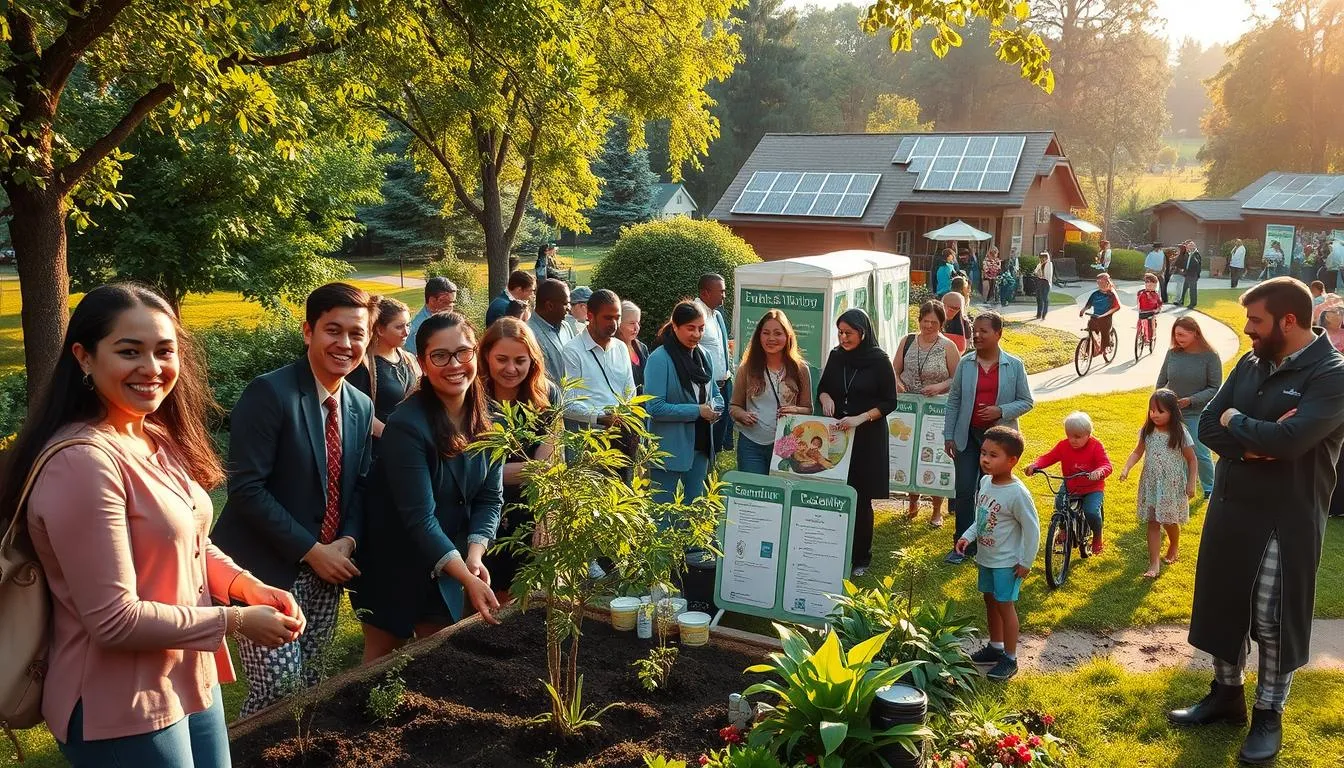
Joining Local Sustainability Initiatives
Participating in local initiatives is another powerful way to contribute. Many communities have groups working on sustainability projects, from clean-up events to educational programs. Joining these efforts not only amplifies our impact but also fosters a sense of community.
Workplace Carbon Reduction Strategies
Our workplaces are also critical areas for implementing carbon reduction strategies. By advocating for energy-efficient practices, reducing waste, and promoting sustainable commuting options, we can significantly lower our collective carbon footprint and learn how to reduce carbon footprint effectively.
Educating Others
Finally, educating others about the importance of carbon reduction is a vital step. By sharing knowledge and inspiring action, we can create a ripple effect that extends far beyond our immediate circles. As Mahatma Gandhi once said,
“Be the change you wish to see in the world.”
By engaging in these activities, we not only contribute to a more sustainable future but also inspire others to do the same, creating a lasting impact on our environment.
Conclusion: Your Path to a Sustainable Future
Reducing your carbon footprint is a crucial step towards a more sustainable future. By implementing the strategies outlined in this carbon footprint guide, you can significantly minimize your environmental impact. Start by assessing your current carbon footprint and setting realistic reduction goals using current carbon footprint strategies.
Simple changes, such as using energy-efficient appliances, adopting a plant-based diet, and conserving water, can make a substantial difference. For more ideas and inspiration, explore resources like sustainability guides that offer practical tips for a greener lifestyle.
Every small action counts, and collective efforts can lead to significant positive change. By making conscious choices and adopting sustainable practices, you can contribute to a healthier planet for future generations. Take the first step today and embark on your journey to a more sustainable tomorrow.
FAQ
What are some simple ways to start reducing my carbon footprint at home?
You can start by using energy-efficient appliances, switching to LED lighting, and improving home insulation. Additionally, consider using smart thermostats and energy monitoring systems to optimize your energy usage.
How can I reduce my carbon footprint through transportation choices?
Consider using public transit, carpooling, or driving electric or hybrid vehicles. You can also reduce air travel impact by carbon offsetting or planning alternative vacations.
What are some eco-friendly food choices that can help reduce my carbon footprint?
Adopting a plant-based or flexitarian diet can significantly reduce your carbon footprint. You can also reduce food waste, buy local and seasonal produce, and understand food labels and certifications.
How can I make a positive impact on the environment through mindful consumption and shopping habits?
Consider alternatives to fast fashion, choose products with lower carbon footprints, and embrace the sharing economy and second-hand markets. Practicing digital minimalism can also help reduce electronic waste.
What are some effective water conservation strategies I can implement at home?
You can install low-flow fixtures, use rainwater harvesting systems, and practice efficient lawn and garden watering. Consider drought-resistant landscaping and efficient irrigation methods as well.
How can I reduce waste and improve recycling practices?
Start by composting, adopting a zero-waste lifestyle, and following proper recycling practices. Be sure to dispose of hazardous waste properly and consider reducing your overall consumption.
What role can I play in community and advocacy involvement to reduce carbon footprint?
You can support environmental policies, join local sustainability initiatives, and implement workplace carbon reduction strategies. Educating others about the importance of carbon reduction can also make a significant impact.
How can I track my progress in reducing my carbon footprint?
Set realistic reduction goals, both short-term and long-term, and use tracking tools to monitor your progress. Regularly assessing your energy usage, transportation habits, and consumption patterns can help you stay on track.
What are some best carbon reduction tips for American homeowners?
Consider using renewable energy options, such as solar or wind power, and improve your home’s energy efficiency. You can also reduce water waste and implement sustainable landscaping practices.
How can I make a current carbon footprint assessment?
Calculate your current carbon footprint by assessing your energy usage, transportation habits, food choices, and consumption patterns. Use online carbon footprint calculators or consult with a sustainability expert to get an accurate assessment.