How to Set Up a Zero-Waste Kitchen: A Comprehensive Guide
Embracing a zero-waste lifestyle begins with understanding its core philosophy. The zero-waste movement is about reducing our environmental footprint by minimizing waste, and it starts in the kitchen.

17 min read
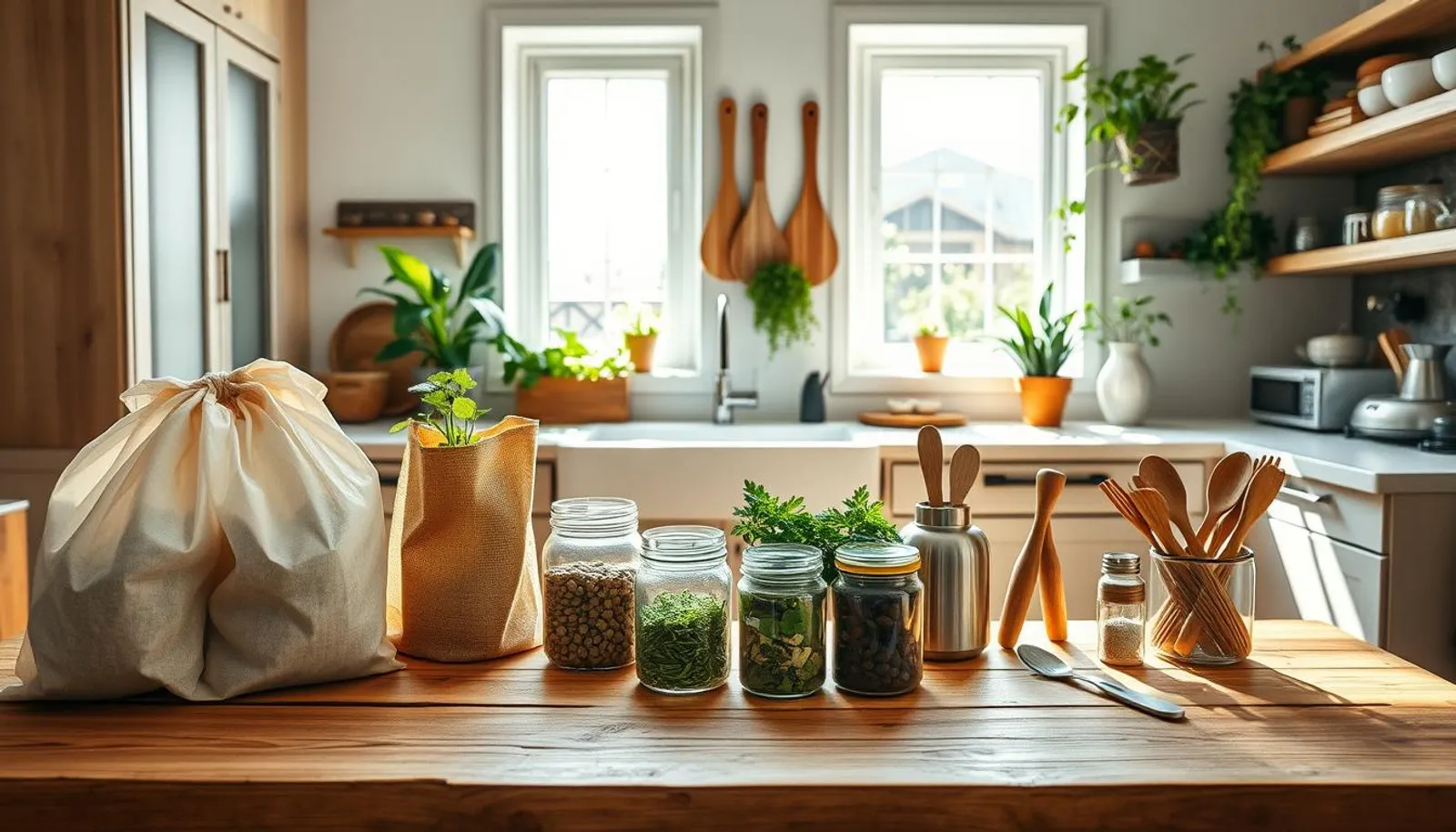
Creating a zero-waste kitchen is a significant step towards a more sustainable lifestyle. By adopting simple changes and sustainable kitchen tips, you can significantly reduce your environmental footprint. A zero-waste kitchen focuses on minimizing waste through the use of reusable products and mindful consumption.
Embracing a zero-waste kitchen not only benefits the environment but also promotes a healthier and more organized cooking space. For a detailed zero-waste kitchen guide, you can explore various sustainable practices and products that make this transition smoother.
Key Takeaways
- Adopt reusable products to minimize waste.
- Plan meals and use leftovers creatively.
- Switch to natural cleaning solutions.
- Invest in sustainable kitchen tools and storage.
- Conserve energy while cleaning.
Understanding the Zero-Waste Philosophy
Embracing a zero-waste lifestyle begins with understanding its core philosophy. The zero-waste movement is about reducing our environmental footprint by minimizing waste, and it starts in the kitchen.
What Does “Zero-Waste” Really Mean?
“Zero-waste” refers to a lifestyle that aims to minimize the amount of waste sent to landfills. For a comprehensive understanding, you can explore resources like this guide on zero-waste living.
The 5 Rs: Refuse, Reduce, Reuse, Recycle, Rot
The 5 Rs are fundamental to achieving a zero-waste kitchen. They stand for:
- **
Refuse**: Decline single-use plastics and unnecessary items.
- **
Reduce**: Minimize your consumption and choose products with minimal packaging.
- **
Reuse**: Use items multiple times; for example, cloth bags and containers.
- **
Recycle**: Properly recycle materials that can’t be reused.
- **
Rot**: Compost organic waste to reduce landfill contributions.
The Environmental Impact of Kitchen Waste
Kitchen waste significantly contributes to environmental issues, including greenhouse gas emissions and pollution. By adopting zero-waste practices, we can reduce kitchen waste and mitigate these impacts.
Benefits of a Zero-Waste Kitchen
Adopting a zero-waste approach in the kitchen has multiple benefits, including:
Financial Savings
Reducing waste can lead to significant financial savings. By planning meals, using up leftovers, and avoiding single-use products, you can cut down on grocery bills.
Environmental Impact
A zero-waste kitchen reduces the demand for resource-intensive and polluting products, contributing to a more sustainable future. This aligns with the principles of a minimalist kitchen setup, where simplicity and functionality reduce waste.
Assessing Your Current Kitchen Waste
Transforming your kitchen into a zero-waste haven begins with understanding your current waste generation. To make meaningful changes, you need to know what you’re dealing with.
Conducting a Kitchen Waste Audit
A kitchen waste audit is a straightforward process that involves tracking your waste over a certain period. This will give you a clear picture of your waste generation patterns.
One-Week Tracking Method
One effective way to conduct a waste audit is to track your waste for one week. Here’s how you can do it:
- Keep a trash can or bin dedicated to collecting waste during the audit period.
- Sort waste into categories (e.g., food scraps, packaging, paper products).
- Record the types and amounts of waste generated each day.
For more detailed guidance, you can refer to resources like this zero-waste kitchen guide.
Identifying Common Sources of Waste
Once you’ve collected data, identify the common sources of waste in your kitchen. Common culprits include:
| Source of Waste | Examples |
|---|---|
| Food Packaging | Plastic wrap, cardboard boxes, glass jars |
| Food Scraps | Vegetable peels, leftovers, expired food |
| Paper Products | Paper towels, paper bags, junk mail |
With a clear understanding of your waste generation, you can set realistic goals for reduction. Start by targeting the most significant sources of waste and implement changes gradually.
“The greatest threat to our planet is the belief that someone else will save it.” - Robert Swan
By following these steps and maintaining a commitment to reducing waste, you can make a significant impact on your kitchen’s environmental footprint.
Essential Tools for Your Zero-Waste Kitchen Guide
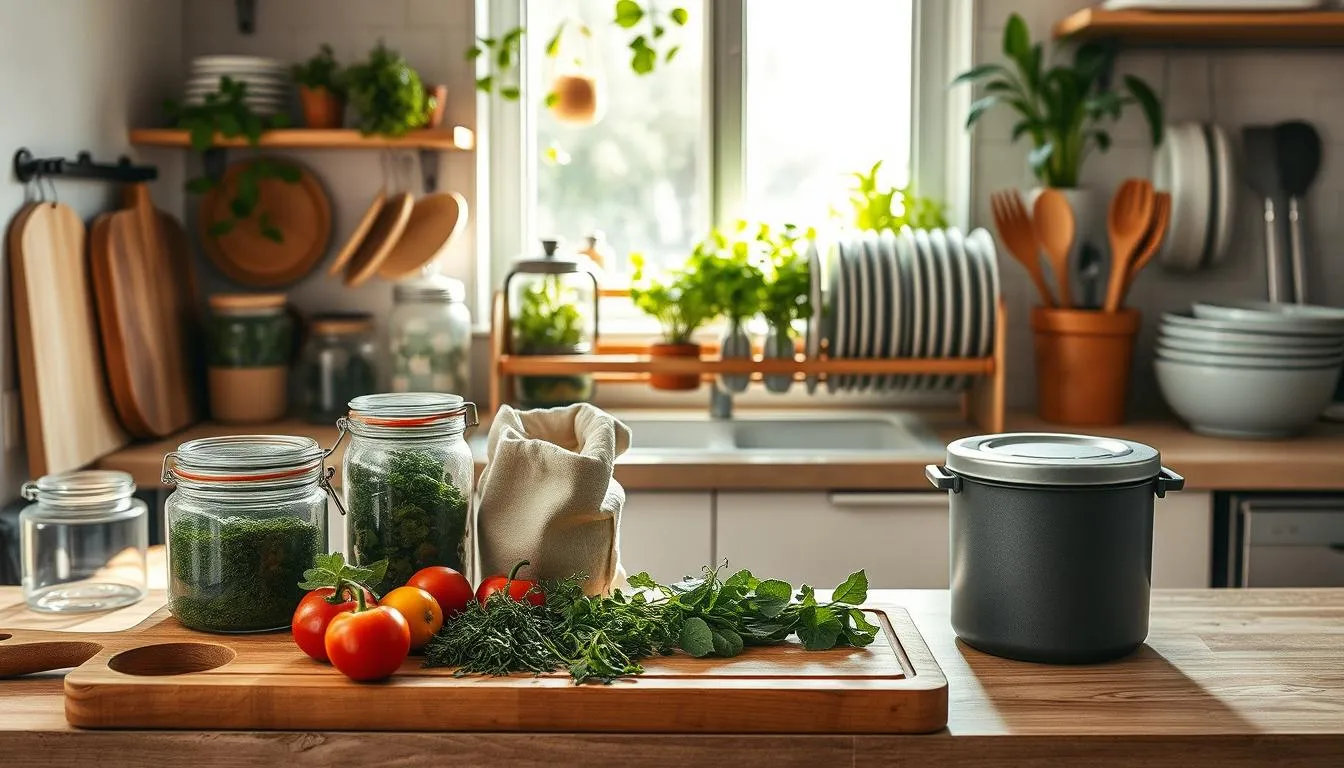
To minimize waste in your kitchen, it’s crucial to have the right tools at your disposal. A well-equipped kitchen not only makes cooking more efficient but also significantly reduces waste. In this section, we’ll explore the essential tools you’ll need to make your kitchen more sustainable.
Reusable Storage Containers
One of the simplest ways to reduce waste is by using reusable storage containers. These containers can be used for storing leftovers, packing lunches, and even organizing your pantry.
Glass Jars and Containers
Glass jars and containers are versatile and can be used for a variety of tasks. They are non-toxic, durable, and can be used for storing food, spices, and other kitchen essentials. For more information on using glass jars, you can visit Zero-Waste Kitchen Essentials.
Silicone Food Storage Bags
Silicone food storage bags are another great alternative to single-use plastic bags. They are dishwasher safe, reusable, and perfect for storing snacks or leftovers.
Cloth Alternatives to Paper Products
Switching from paper products to cloth alternatives is a significant step towards a zero-waste kitchen. This includes using cloth napkins, towels, and even reusable paper towels.
Unpaper Towels and Napkins
Unpaper towels and napkins are made from absorbent materials and can be washed multiple times. They are a great replacement for paper towels and napkins, reducing paper waste significantly.
Durable, Long-lasting Utensils and Cookware
Investing in durable, long-lasting utensils and cookware is crucial for a sustainable kitchen. These not only reduce waste but also make cooking more efficient.
Sustainable Materials to Look For
When shopping for utensils and cookware, look for sustainable materials like bamboo, stainless steel, and cast iron. These materials are durable and have a lower environmental impact compared to plastic or non-stick coatings.
| Material | Durability | Environmental Impact |
|---|---|---|
| --- | --- | --- |
| Bamboo | High | Low |
| Stainless Steel | Very High | Low |
| Cast Iron | Very High | Medium |
Sustainable Food Shopping Strategies
To create a truly zero-waste kitchen, it’s essential to start with sustainable food shopping practices. This involves making conscious choices about how and where you shop for groceries, what products you choose, and how you bring them home.
Finding Bulk Food Stores in the US
One of the most effective ways to reduce packaging waste is by shopping at bulk food stores. These stores allow you to purchase the exact amount of food you need, reducing excess packaging.
- Look for stores that offer bulk bins for grains, nuts, and dried fruits.
- Consider stores with refill stations for cleaning supplies and personal care products.
Online Resources and Store Locators
Utilize online resources to find bulk food stores near you. Many websites and apps provide store locators and reviews to help you discover the best options.
Using Reusable Produce Bags and Containers
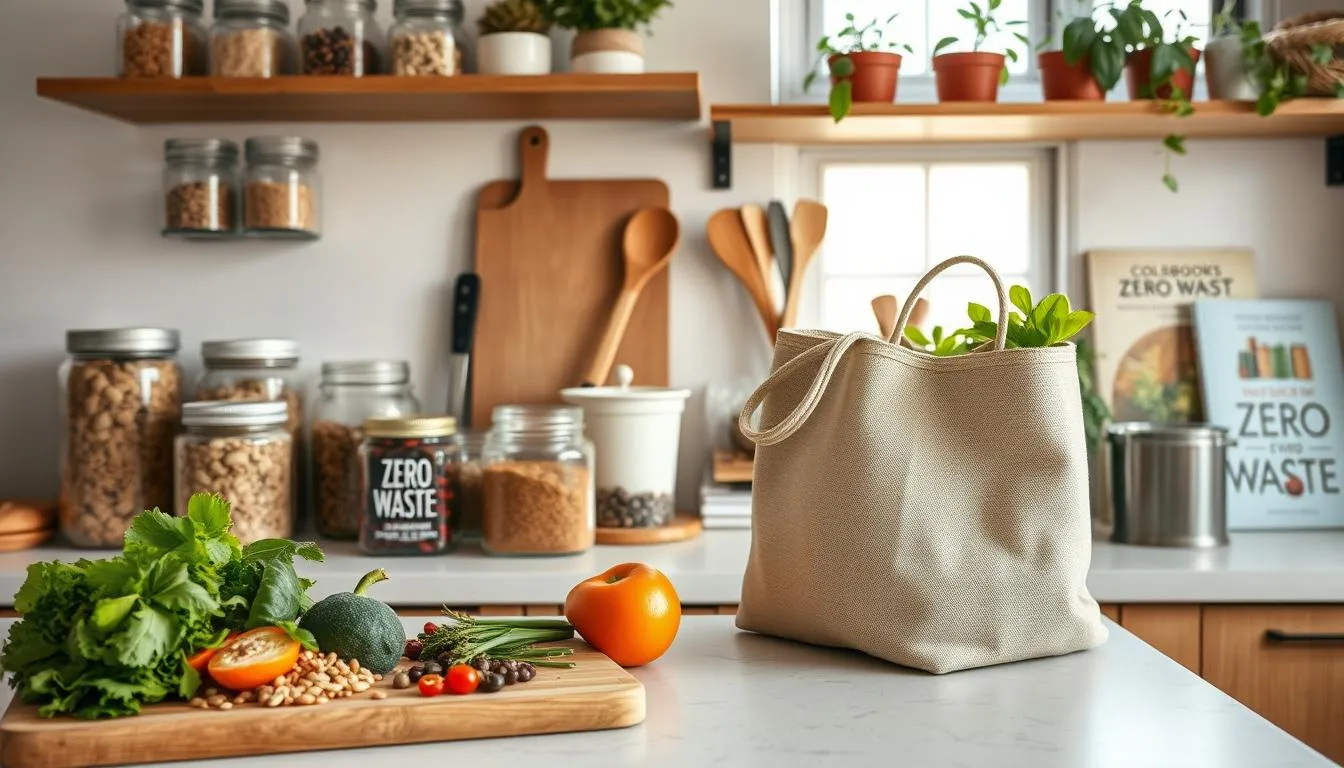
Switching to reusable produce bags and containers is a simple yet impactful change. These can be used for storing fruits, vegetables, and other items, significantly reducing the need for single-use plastic bags.
Reading Labels for Sustainable Packaging
Understanding packaging labels is crucial for making sustainable choices. Look for products with minimal or biodegradable packaging.
Understanding Packaging Symbols
Familiarize yourself with packaging symbols that indicate recyclability, compostability, or other eco-friendly attributes. This knowledge will help you make more informed purchasing decisions.
By implementing these sustainable food shopping strategies, you can significantly reduce your kitchen waste and contribute to a more environmentally friendly lifestyle.
Meal Planning to Minimize Food Waste
A well-structured meal plan is the backbone of a sustainable kitchen, helping reduce waste and save resources. By planning your meals, you can avoid buying too much food that may go to waste. This approach not only saves money but also contributes to a more sustainable environment.
Creating Weekly Meal Plans
Creating a weekly meal plan involves deciding on the meals you want to prepare for the week ahead. **
Consider your schedule, dietary needs, and the ingredients you already have.
You can use digital tools or apps to organize your meal plans and generate shopping lists.
Using Apps and Digital Tools
There are numerous apps available that can help you plan meals and keep track of your grocery lists. Some popular options include:
- Mealime
- Yummly
- Plan to Eat
These tools can simplify the meal planning process and make it more efficient.
Smart Shopping Lists
A smart shopping list is crucial for sticking to your meal plan and avoiding impulse buys. Organize your list by categories such as produce, dairy, and pantry items to make shopping quicker and more efficient.
Proper Food Storage Techniques
Proper storage of food can significantly extend its shelf life. **
Use airtight containers for storing grains, nuts, and dried fruits.
Extending Produce Shelf Life
To keep produce fresh for longer, store it properly. For example, keep berries in a cool, dry place and store herbs in a damp cloth in the refrigerator.
Freezing Guidelines for Different Foods
Freezing is an excellent way to preserve food. **Blanch vegetables before freezing to preserve their color and nutrients.
Use airtight containers or freezer bags to prevent freezer burn.
Composting Basics for Kitchen Scraps
Composting is a simple yet effective way to reduce kitchen waste and create a nutrient-rich soil amendment for your garden. By turning food scraps and other organic materials into compost, you can divert waste from landfills and create a valuable resource for your plants.
Indoor Composting Options
For those living in apartments or with limited outdoor space, indoor composting is a viable solution. There are several methods to choose from:
- **
Countertop Composters:
These are compact bins that can be kept on your kitchen counter, making it easy to collect kitchen scraps.
- **Vermicomposting for Apartments:
This involves using worms to break down food waste in a controlled environment. It’s a great option for small spaces and can be quite efficient.
Outdoor Composting Systems
If you have outdoor space, you can opt for traditional composting methods. This can include compost bins or piles where you can add kitchen scraps and other organic materials. For more information on setting up an outdoor composting system, you can visit this resource.
What Can and Cannot Be Composted
Understanding what materials are suitable for composting is crucial. Generally, you can compost fruit and vegetable peels, tea bags, coffee grounds, and eggshells. However, avoid composting meat, dairy, and oily foods as they can attract pests and create odors.
Troubleshooting Common Composting Issues
Sometimes, composting can be a bit tricky. Here are some common issues and their solutions:
| Issue | Solution |
|---|---|
| Unpleasant Odors | Add more brown materials (like leaves or straw) to balance out green materials (like kitchen scraps). |
| Pests | Avoid adding meat, dairy, or oily foods to your compost. |
| Slow Decomposition | Ensure your compost pile is adequately aerated and has a good mix of green and brown materials. |
| By following these composting basics, you can significantly reduce your kitchen waste and contribute to a more sustainable gardening practice. Happy composting! |
Creating a Complete Zero-Waste Kitchen Guide for Your Home
Transforming your kitchen into a zero-waste haven requires a thoughtful approach and a clear plan. To achieve this, it’s essential to break down the process into manageable steps, ensuring a smooth transition to a more sustainable kitchen.
Step-by-Step Implementation Plan
Implementing zero-waste practices in your kitchen can be achieved through a structured plan. This involves making initial changes and gradually adopting more advanced practices.
First 30 Days: Essential Changes
Begin by making simple yet impactful changes, such as switching to reusable storage containers and cloth alternatives to paper products. These initial steps lay the foundation for a more sustainable kitchen.
60-90 Days: Advanced Practices
As you progress, you can adopt more advanced practices like meal planning, using reusable produce bags, and composting kitchen scraps. These actions further reduce waste and enhance your kitchen’s sustainability.
Involving Family Members
Involving all family members in the zero-waste journey is crucial for its success. Encourage everyone to participate in meal planning and kitchen tasks, making it a collaborative effort.
Tracking Progress and Celebrating Wins
Monitoring your progress and celebrating small victories along the way helps maintain motivation. Keep a journal or use an app to track your waste reduction and reflect on the positive changes you’ve made.
By following this step-by-step guide and involving your family, you can create a thriving zero-waste kitchen that benefits both your household and the environment.
Overcoming Common Zero-Waste Kitchen Challenges
Embracing a zero-waste kitchen lifestyle requires overcoming several common obstacles. As you transition to a more sustainable kitchen setup, you’ll likely face challenges that can test your resolve. However, with the right strategies and mindset, you can successfully navigate these hurdles and maintain your zero-waste journey.
Dealing with Convenience Food Cravings
One of the primary challenges is resisting the temptation of convenience foods, which are often packaged in non-recyclable materials. To overcome this, focus on meal planning and preparation. By having a clear plan for your meals, you can avoid last-minute decisions that might lead to wasteful choices. Consider batch cooking and freezing meals for busy days when cooking from scratch isn’t feasible.
Managing Time Constraints
Time constraints are another common challenge. To manage your time effectively, implement efficient kitchen routines such as prep-ahead strategies and one-pot meals. These techniques can significantly reduce the time spent on cooking while maintaining a healthy and sustainable diet.
Handling Special Dietary Needs
Special dietary needs can also pose a challenge in a zero-waste kitchen. For individuals with specific dietary restrictions, it’s crucial to find allergen-free zero-waste options. This can involve reading labels carefully and choosing products that are both safe for your dietary needs and sustainably packaged.
Allergen-Free Zero-Waste Options
When dealing with dietary restrictions, exploring allergen-free alternatives that are also zero-waste friendly is essential. Look for products that are certified allergen-free and have minimal or biodegradable packaging. Shopping at local farmers’ markets or joining a community-supported agriculture (CSA) program can also provide fresh, sustainably sourced ingredients that meet your dietary needs.
Budget-Friendly Zero-Waste Solutions
Implementing a zero-waste kitchen doesn’t have to break the bank. Budget-friendly solutions include repurposing household items as storage containers, buying in bulk, and planning meals around seasonal produce, which is often cheaper and fresher. By being creative and resourceful, you can maintain a zero-waste kitchen on a budget.
Sustainable Kitchen Cleaning and Maintenance
To keep your zero-waste kitchen truly eco-friendly, consider implementing sustainable cleaning and maintenance routines. A clean kitchen is not just about aesthetics; it’s also about creating a healthy environment for food preparation.
DIY Cleaning Products
One of the simplest ways to make your kitchen cleaning more sustainable is by making your own cleaning products. This approach reduces reliance on chemical-laden cleaners and packaging waste.
Basic Ingredients for Natural Cleaners
Common ingredients for DIY cleaning products include baking soda, vinegar, and lemon juice. These natural cleaners are effective and environmentally friendly.
Plastic-Free Cleaning Tools
Switching to plastic-free cleaning tools is another step towards a more sustainable kitchen. Consider using cloths made from natural fibers or bamboo.
Water and Energy Conservation
Conserving water and energy is crucial in maintaining a sustainable kitchen. Simple actions can make a significant difference.
Efficient Dishwashing Techniques
Washing dishes efficiently involves using the right amount of water and energy. Fill the sink or dishwasher before running it, and consider air-drying dishes.
Sustainable Appliance Usage
Using appliances like dishwashers and refrigerators efficiently can also reduce energy consumption. Regular maintenance and optimal loading can help.
For more tips on creating a zero-waste kitchen, visit our comprehensive guide on how to create a zero-waste kitchen.
Conclusion: Maintaining Your Zero-Waste Kitchen Journey
As you implement the strategies outlined in this guide, you’ll be well on your way to creating a minimalist kitchen setup that not only reduces waste but also promotes a more sustainable lifestyle. Reducing kitchen waste is a journey, and every small step counts.
To continue on this path, remember to regularly assess your kitchen waste and adjust your strategies as needed. By doing so, you’ll be able to identify areas for improvement and make conscious choices to minimize your environmental footprint.
By adopting a zero-waste kitchen approach, you’ll not only be contributing to a more sustainable future but also cultivating a more mindful and intentional relationship with food and resources. Stay committed to your goals, and you’ll be surprised at the positive impact you can have on the environment.
As you move forward, consider exploring other areas of your life where you can apply zero-waste principles, such as reducing plastic use or adopting sustainable fashion practices. By making these changes, you’ll be taking a significant step towards a more sustainable lifestyle and learning effective ways on how to reduce kitchen waste.
FAQ
What are the first steps to setting up a zero-waste kitchen?
Start by assessing your current kitchen waste, identifying common sources of waste, and setting realistic goals for reduction. Begin with simple changes like switching to reusable storage containers and cloth alternatives to paper products.
How can I find bulk food stores in my area?
You can find bulk food stores in the US by using online resources and store locators. Websites like BulkApothecary.com and ZeroWasteStores.com can help you locate stores near you that offer bulk shopping options.
What are some essential tools for a zero-waste kitchen?
Essential tools include reusable storage containers like glass jars and silicone food storage bags, cloth alternatives to paper products like unpaper towels and napkins, and durable, long-lasting utensils and cookware made from sustainable materials.
How can I minimize food waste through meal planning?
Create weekly meal plans using apps and digital tools, make smart shopping lists based on your plans, and practice proper food storage techniques to extend the shelf life of your produce and other foods.
What can I compost in my kitchen, and what can’t be composted?
You can compost kitchen scraps like fruit and vegetable peels, tea bags, and coffee grounds. Avoid composting meat, dairy, and oily foods as they can attract pests and create odors. Also, do not compost pet waste or synthetic materials.
How do I involve my family members in adopting zero-waste kitchen practices?
Involve your family by explaining the benefits of a zero-waste kitchen, setting shared goals, and assigning tasks to each member. Make it a team effort to maintain and track progress.
What are some budget-friendly zero-waste solutions for my kitchen?
Start with inexpensive changes like using cloth napkins instead of paper ones, repurposing old jars for storage, and buying in bulk. You can also DIY cleaning products using basic ingredients.
How can I maintain my zero-waste kitchen journey in the long term?
Stay committed by tracking your progress, celebrating your successes, and continually looking for new ways to reduce waste. Persistence is key to maintaining a zero-waste kitchen.