Step-by-Step Guide to Composting at Home
Composting is a simple and effective way to reduce your waste, create nutrient-rich soil for your garden, and contribute to a more sustainable environment. By turning your kitchen scraps and yard waste into a valuable resource, you can improve the health and fertility of your soil, reduce your re...
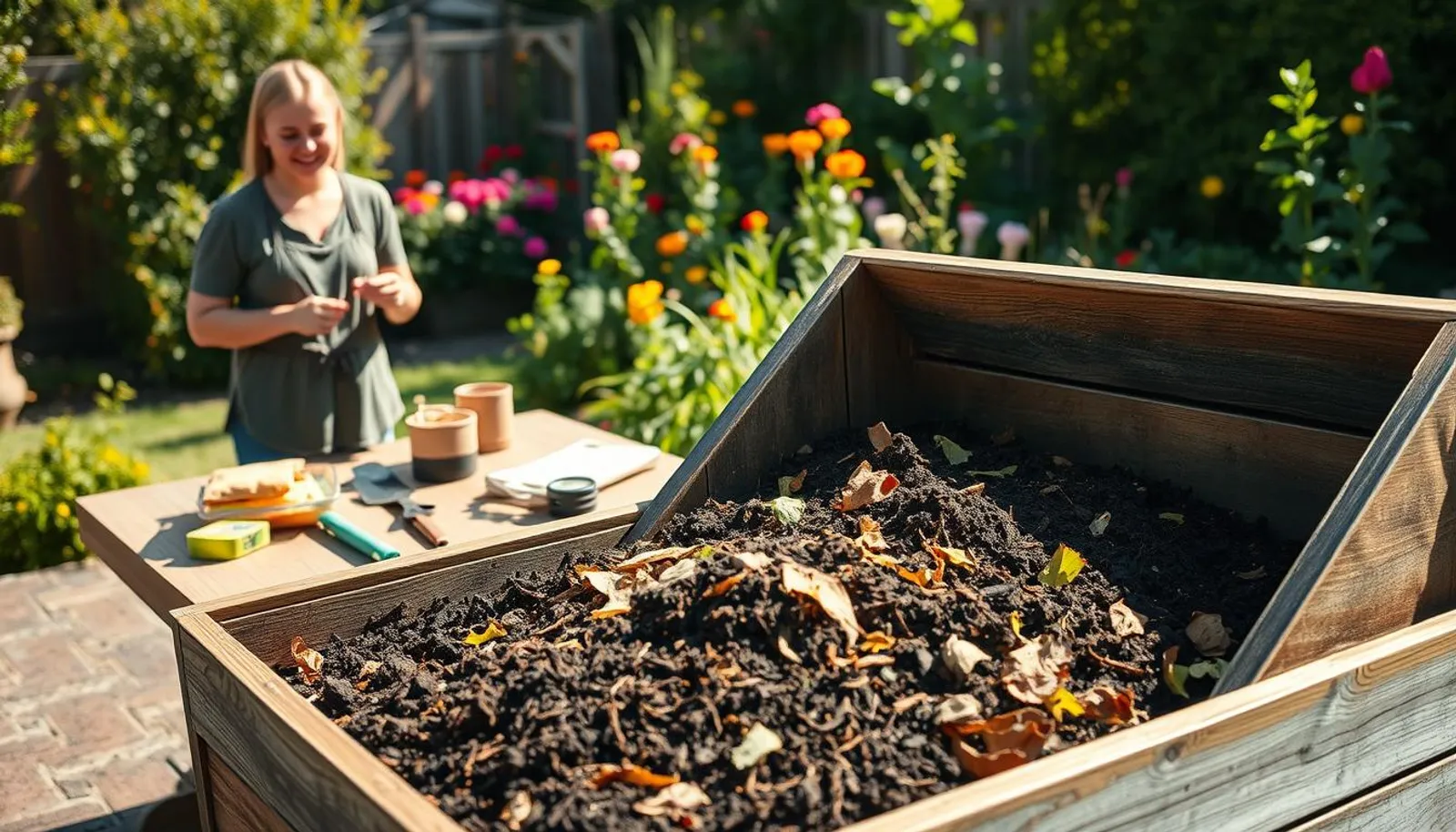

18 min read
Composting is a simple and effective way to reduce your waste, create nutrient-rich soil for your garden, and contribute to a more sustainable environment. By turning your kitchen scraps and yard waste into a valuable resource, you can improve the health and fertility of your soil, reduce your reliance on chemical fertilizers, and create a more vibrant and resilient garden.
Our comprehensive composting guide will walk you through the process of composting at home, from the basics of setting up a composting system to advanced techniques for optimizing your compost pile. Whether you’re a seasoned gardener or just starting out, this guide will provide you with the knowledge and confidence to start composting like a pro.
Key Takeaways
- Composting reduces waste and creates nutrient-rich soil.
- A well-maintained compost pile can be ready in 3-4 months.
- Aim for a browns-to-greens ratio of 3:1.
- Monitor temperature and moisture levels for optimal composting.
- Finished compost can be used as mulch, soil amendment, or lawn top-dressing.
What is Composting and Why Should You Do It?
Composting at home is an eco-friendly practice that offers numerous benefits for the environment, your wallet, and your garden’s health. By turning kitchen scraps and yard waste into compost, you can reduce the amount of waste sent to landfills and create a valuable resource for gardening.
Environmental Benefits of Composting
Composting has several environmental benefits, including reducing greenhouse gas emissions from landfills and conserving water. It also helps to reduce the need for synthetic fertilizers, which can pollute waterways. By composting, you’re contributing to a more sustainable waste management system.
Economic Benefits for Home Gardeners
For home gardeners, composting can be economically beneficial as it reduces the need to purchase fertilizers and soil conditioners. Compost can improve soil structure, increase crop yields, and enhance the overall health of your garden, potentially saving you money on gardening supplies.
Health Benefits for Your Garden
Compost enriches the soil with nutrients, improving its structure and fertility. This leads to healthier plants that are more resistant to diseases and pests. By using compost, you can create a thriving garden ecosystem that requires fewer chemical interventions.
In summary, composting is a simple and effective way to contribute to a more sustainable lifestyle while improving your garden’s health and reducing waste.
The Science Behind Composting
Understanding the science behind composting can significantly enhance its effectiveness. Composting is a biological process that involves the breakdown of organic materials into a nutrient-rich soil amendment.
Decomposition Process Explained
The decomposition process in composting is facilitated by microorganisms that break down organic matter into simpler compounds. This process involves a series of biochemical reactions that release heat, carbon dioxide, and water vapor. Key factors influencing decomposition include:
- Temperature
- Moisture levels
- Oxygen availability
- Carbon-to-nitrogen ratio
The Role of Microorganisms
Microorganisms, including bacteria and fungi, play a crucial role in composting. They secrete enzymes that break down complex organic molecules into simpler substances. A diverse community of microorganisms ensures a robust decomposition process, resulting in high-quality compost.
Different Methods of How to Compost at Home
Whether you have a large backyard or a small apartment, there’s a composting method suitable for you. Composting at home can be achieved through various techniques, each with its unique advantages and potential drawbacks. Understanding these different methods can help you choose the best approach for your needs.
Traditional Pile Composting
Traditional pile composting is one of the most common methods. It involves creating a pile of organic materials that decompose over time. This method is cost-effective and can handle large quantities of waste. However, it requires regular turning and can be unsightly if not managed properly. For more information on the composting process, you can visit TrustBasket’s guide on composting.
Bin Composting
Bin composting is a neater alternative to traditional pile composting. It involves using a container to hold the composting materials. This method is more aesthetically pleasing and can be less odorous if the bin is well-maintained. Bins come in various sizes and can be made from different materials, offering flexibility for different spaces.
Vermicomposting (Worm Composting)
Vermicomposting, or worm composting, uses worms to break down organic waste. This method is ideal for indoor composting and can be very efficient. Vermicomposting produces a high-quality compost and can be done in small spaces, making it perfect for apartment dwellers.
Bokashi Composting
Bokashi composting is a fermentation-based process that uses microorganisms to decompose organic matter. This method can handle a wider variety of waste, including meat and dairy products, and is relatively quick. Bokashi composting is a good option for those who want to compost a broader range of materials.
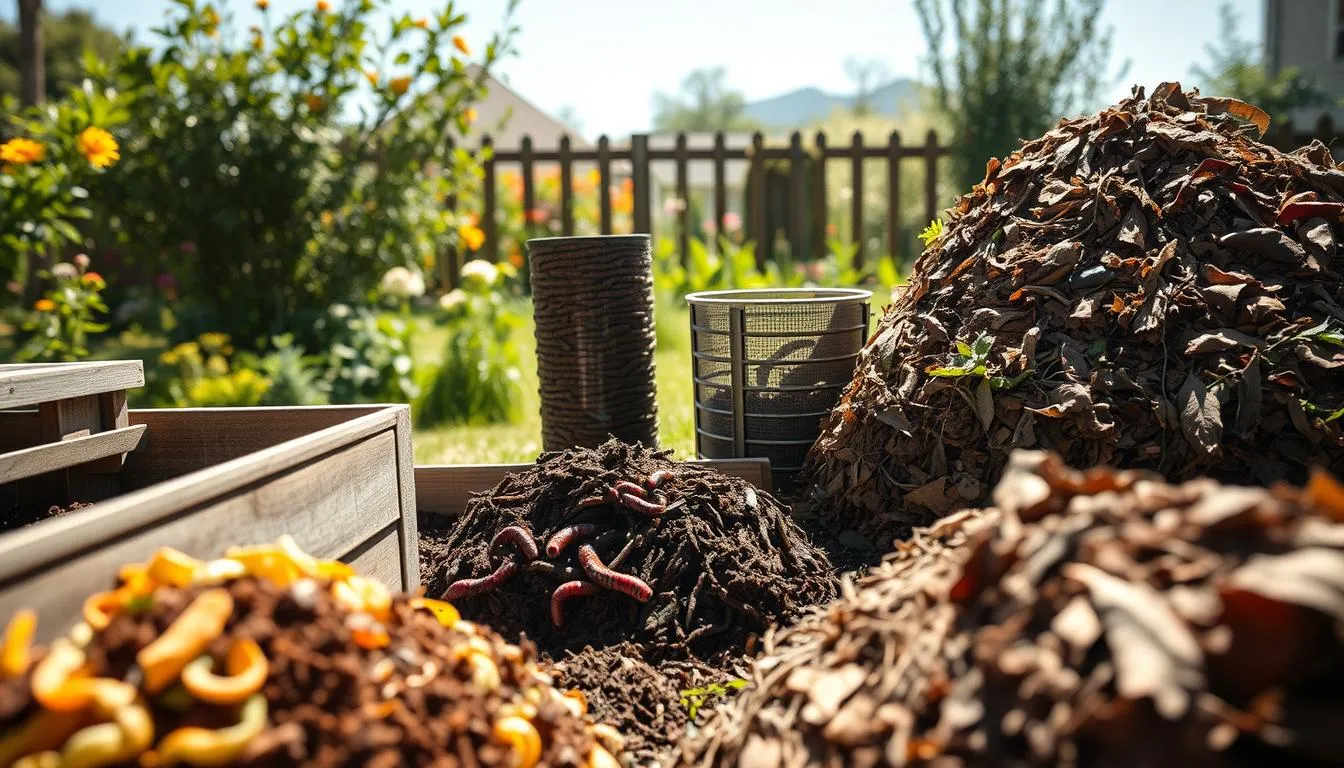 Each of these composting methods has its benefits and can be adapted to different lifestyles and spaces. By choosing the right method, you can effectively reduce your waste and create valuable compost for your garden.
Choosing the Right Composting Method for Your Space
The key to successful composting lies in choosing a method that suits your available space and lifestyle. With various options available, individuals can select the best composting method that fits their living conditions and personal preferences.
Apartment Composting Solutions
For those living in apartments, indoor composting is a viable option. Methods such as vermicomposting (worm composting) or using a bokashi bin are ideal for small spaces. These methods are odor-controlled and can be managed indoors, making them perfect for apartment dwellers.
Suburban and Rural Options
Individuals residing in suburban or rural areas have more space to work with, allowing for outdoor composting methods like traditional pile composting or using compost bins. These methods can handle larger quantities of organic waste and are often less labor-intensive.
Indoor vs. Outdoor Considerations
When deciding between indoor and outdoor composting, consider factors such as space availability, odor control, and the amount of organic waste generated. Indoor composting is more suitable for those with limited space, while outdoor composting is better for those with more room and larger amounts of waste.
Essential Tools and Materials for Composting
The key to successful composting lies in the tools and materials you use. To get started, you’ll need a few essential items to turn your waste into nutrient-rich compost.
Composting Containers and Bins
Composting containers and bins are crucial for holding your compost pile together. You can choose between store-bought options and DIY alternatives.
Store-Bought Options
Store-bought compost bins are convenient and come in various sizes. Brands like Exaco and Leach offer durable and easy-to-use bins.
DIY Alternatives
If you’re handy, consider building your own compost bin using repurposed wood or wire mesh. This can be a cost-effective and creative solution.
Tools for Turning and Maintaining Compost
Turning your compost regularly is vital for aeration and decomposition. Use a compost fork or aerator tool to make the process easier.
Optional Accessories
Optional accessories like compost turners and aerators can further simplify the composting process. Consider using a compost thermometer to monitor temperature.
| Tool/Material | Purpose | Cost Estimate |
|---|---|---|
| Compost Bin | Holds compost pile | $50-$100 |
| Compost Fork | Turning compost | $20-$50 |
| Compost Thermometer | Monitoring temperature | $10-$30 |
The key to successful composting lies in understanding what can and cannot be composted. A balanced compost pile requires a mix of green materials rich in nitrogen and brown materials rich in carbon.
Green Materials (Nitrogen-Rich)
Green materials are rich in nitrogen and are essential for the growth of microorganisms that break down the compost. Examples include:
Kitchen Scraps
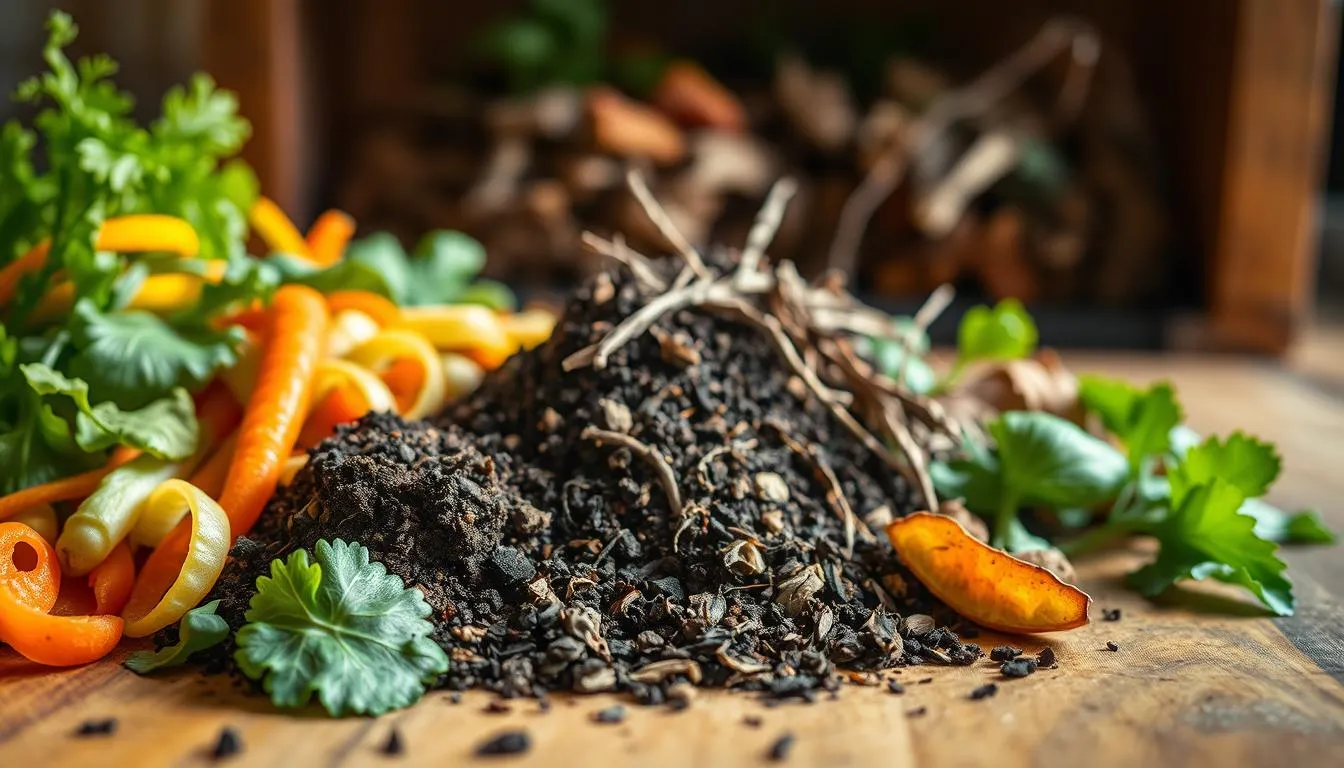
Kitchen scraps like fruit and vegetable peels, tea bags, and coffee grounds are excellent green materials. They are rich in nitrogen and help speed up the composting process.
Fresh Yard Waste
Fresh yard waste, including grass clippings and weeds, are also considered green materials. They are rich in nitrogen and should be added to the compost pile in moderation.
Brown Materials (Carbon-Rich)
Brown materials are rich in carbon and provide the energy needed by microorganisms to break down the compost. Examples include:
Dry Leaves and Yard Waste
Dry leaves and yard waste are excellent brown materials. They are rich in carbon and help balance out the nitrogen-rich green materials.
Paper Products
Paper products like newspaper, cardboard, and paper towels can also be composted. They are rich in carbon and help absorb excess moisture in the compost pile.
Items to Avoid in Your Compost
Not everything can be composted. It’s essential to avoid adding certain items to your compost pile to prevent attracting pests and creating unpleasant odors. According to Tom’s Guide, items like meat, dairy, and pet waste should be avoided. Additionally, weeds with seeds, chemically treated materials, and synthetic materials like plastics and metals should not be composted.
By understanding what can and cannot be composted, you can create a balanced compost pile that is rich in nutrients and beneficial microorganisms.
Setting Up Your Compost System
The journey to creating nutrient-rich compost starts with setting up your composting system correctly. This initial step is crucial for effective composting and will make the process smoother and more efficient. To begin, you’ll need to consider a few key factors that will influence how you set up your composting system.
Choosing the Perfect Location
Selecting the right location for your compost pile or bin is vital. Ideally, it should be placed in a spot that is well-ventilated, accessible, and out of direct sunlight to avoid overheating. Ensure it’s also close to a water source, as maintaining the right moisture level is crucial. “A well-sited compost heap is the foundation of successful composting,” as noted by composting experts.
Building Your First Compost Pile or Bin
Once you’ve chosen your location, it’s time to start building your compost pile or filling your bin. If you’re using a bin, follow the manufacturer’s instructions. For a pile, start with a base layer of coarse materials like twigs to improve airflow. You can find various composting solutions at TrustBasket, which offers a range of composting products.
Layering Materials Properly
Layering is key to a healthy compost pile. Start with brown materials (carbon-rich), followed by green materials (nitrogen-rich), and repeat.
The Ideal Carbon-to-Nitrogen Ratio
Aiming for a mix of 2/3 brown materials and 1/3 green materials is a good rule of thumb. This balance ensures the compost pile decomposes efficiently.
Creating Your First Layers
Begin with a 4-6 inch layer of brown materials, followed by a layer of green materials. Continue alternating, ending with a brown layer on top to help control odors.
Maintaining Your Compost Pile
Maintaining a compost pile is crucial for successful composting and requires regular attention to ensure optimal decomposition. Regular maintenance not only speeds up the composting process but also helps in avoiding potential issues such as unpleasant odors or pest infestations.
Proper Turning Techniques
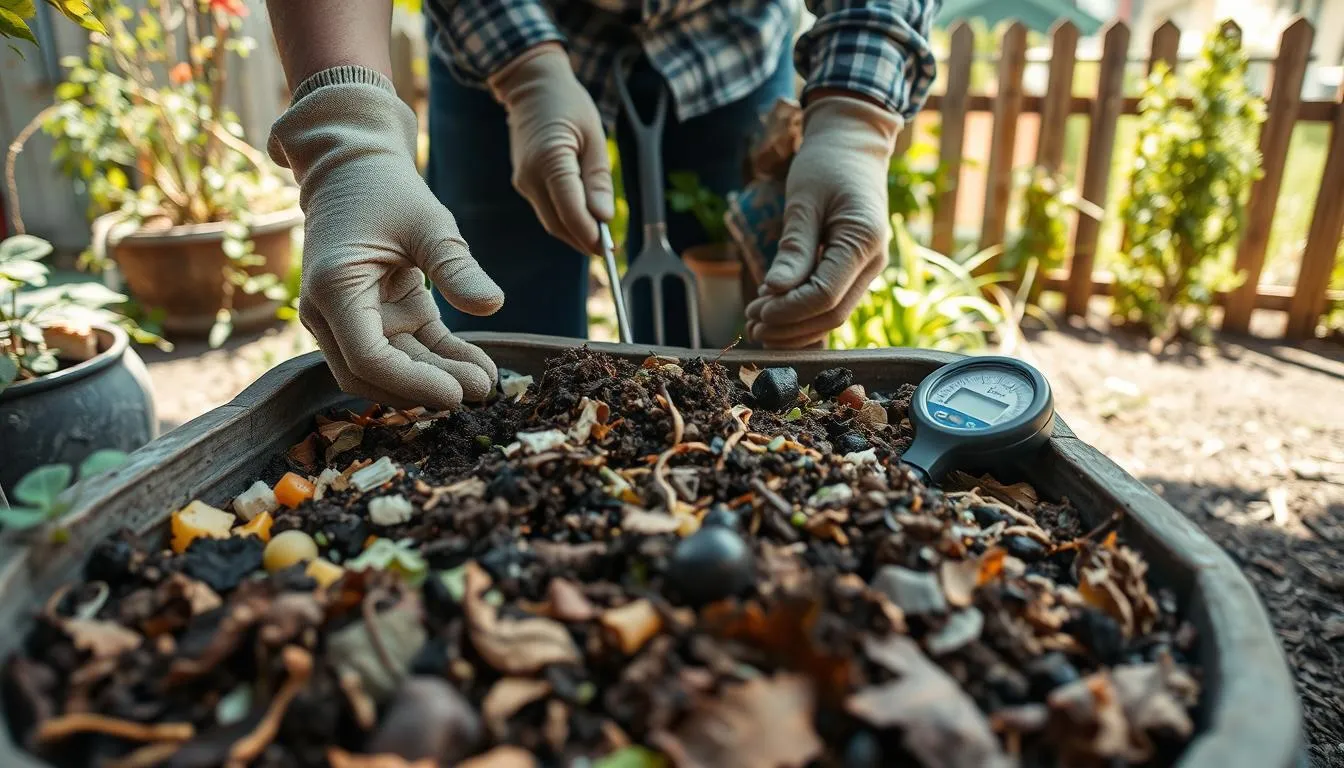
Turning the compost pile is essential for aerating the materials, speeding up decomposition, and preventing matting. It’s recommended to turn the pile every 7-10 days, using a pitchfork or shovel to gently aerate the materials without damaging the microorganisms at work.
Moisture Management
Maintaining the right moisture level is vital. The compost pile should be kept moist, like a damp sponge. Excessive dryness can halt the decomposition process, while too much moisture can lead to anaerobic conditions, causing odors. For more detailed composting tips, visit our resource page.
Temperature Monitoring
Temperature is a critical factor in composting. Monitoring the temperature helps in understanding the decomposition process’s health.
Using a Compost Thermometer
A compost thermometer is a valuable tool for monitoring the internal temperature of the compost pile. It allows for precise temperature readings, helping composters adjust their maintenance routine as needed.
Ideal Temperature Ranges
The ideal temperature range for composting is between 130掳F and 140掳F (54掳C to 60掳C). Temperatures within this range indicate active decomposition and help kill off pathogens and weed seeds.
| Maintenance Task | Frequency | Purpose |
|---|---|---|
| Turning the Compost Pile | Every 7-10 days | Aeration and Speeding Up Decomposition |
| Checking Moisture Levels | Weekly | Maintaining Optimal Moisture |
| Monitoring Temperature | Regularly | Ensuring Active Decomposition |
Troubleshooting is an essential part of the composting process, helping you overcome common challenges. Whether you’re dealing with unpleasant odors, pests, or a slow decomposition process, understanding how to address these issues can ensure your composting efforts are successful.
Dealing with Odors
Unpleasant odors can be a significant issue for composters. Typically, this is due to too much nitrogen-rich material (like food scraps) and not enough carbon-rich material (like dried leaves). To fix this, add more brown materials to balance out the green materials. Regular turning of the compost pile also helps to aerate it, reducing odors.
Managing Pests
Pests, including rodents and insects, can be attracted to your compost. Proper management is key.
Deterring Rodents
Rodents are often attracted to food scraps. To deter them, avoid adding meat, dairy, and oily foods to your compost. Ensure your compost bin is secure and consider using rodent-proof bins.
Handling Insects
Insects like flies are drawn to exposed food waste. Burying new additions under existing compost and keeping the pile moist can help manage insect issues.
Fixing a Slow Decomposition Process
If your compost is decomposing slowly, it might be too dry or too cold. Ensure the pile is moist like a damp sponge and turn it regularly to introduce oxygen. Adding a mix of green and brown materials can also help speed up the process.
| Issue | Solution |
|---|---|
| Odors | Add more brown materials and turn the pile regularly |
| Rodents | Avoid adding meat, dairy, and oily foods; use rodent-proof bins |
| Slow Decomposition | Ensure the pile is moist and turn it regularly; add a mix of green and brown materials |
“Composting is a natural process that turns waste into a valuable resource. With a little know-how, you can overcome common problems and enjoy the benefits of rich, earthy compost.”
By following these troubleshooting tips, you can resolve common composting issues and continue to create nutrient-rich soil for your garden.
Harvesting and Using Your Finished Compost
After weeks of careful maintenance, your compost is finally ready to nourish your garden. The process of composting transforms waste into a valuable resource, enhancing soil health and fertility.
How to Know When Compost is Ready
Finished compost is characterized by its dark color, crumbly texture, and earthy aroma. It should be free of recognizable pieces of the original materials. Typically, compost is ready in 2-3 months, depending on the composting method and materials used.
Sifting and Storing Compost
Once ready, sift your compost to remove any lumps or unfinished pieces. Store it in a dry, covered area to preserve its quality. Proper storage ensures that your compost remains effective and ready for use.
Application Methods in the Garden
There are several ways to use your finished compost in the garden:
- Mix it into soil to improve structure and fertility
- Use as a mulch to retain moisture and suppress weeds
- Make a compost tea for a nutrient-rich liquid fertilizer
Top Dressing
Apply a layer of compost on the soil surface around plants. This method is particularly beneficial for established gardens and helps in reducing soil erosion.
Soil Amendment
Mix compost into the soil to enhance its fertility and structure. This is especially useful when planting new flowers, vegetables, or shrubs.
| Application Method | Benefits |
|---|---|
| Top Dressing | Reduces soil erosion, retains moisture |
| Soil Amendment | Enhances soil fertility, improves structure |
鈥?Gardening Expert
By following these guidelines, you can effectively use your finished compost to create a healthier, more sustainable garden.
Seasonal Composting Tips
To maintain a healthy compost pile, it’s essential to adjust your techniques with the changing seasons. Different times of the year bring different challenges and opportunities for composting. By understanding these seasonal variations, you can optimize your composting process.
Spring and Summer Composting
During spring and summer, compost piles tend to heat up due to increased microbial activity. To manage this, ensure adequate moisture levels and turn the pile regularly to maintain aeration. Adding a mix of green materials like fresh grass clippings and kitchen scraps will boost nitrogen levels, supporting the decomposition process.
Fall and Winter Composting
In fall and winter, the composting process slows down due to colder temperatures. To keep the process going, insulate your compost pile with a layer of dry leaves or straw. You can also add carbon-rich materials to balance the carbon-to-nitrogen ratio, which may have been skewed by the addition of green materials during the previous seasons.
Adapting to Climate Challenges
Regardless of the season, composting strategies may need to be adapted based on local climate conditions. For instance, in areas with heavy rainfall, it’s crucial to ensure that the compost pile is well-drained to prevent waterlogging. In dry climates, maintaining adequate moisture is key. By being mindful of these factors, you can maintain an efficient composting process year-round.
Conclusion
By following this step-by-step guide on how to compost at home, you can turn your kitchen scraps and yard waste into a valuable resource for your garden. Composting is a simple and effective way to reduce your environmental footprint, and with the right techniques, you can create a nutrient-rich soil amendment that will nourish your plants and support a healthy ecosystem.
For more detailed information on backyard composting, you can refer to the comprehensive guide provided by the Clark County Composting program, available in this resource. This guide covers the essential factors for successful composting, including size, moisture, aeration, and ratio of carbon to nitrogen.
By adopting composting practices, you can make a positive impact on the environment, reduce waste, and create a more sustainable garden. So why not get started today and turn your waste into a valuable resource?
FAQ
What is the ideal carbon-to-nitrogen ratio for composting?
The ideal carbon-to-nitrogen ratio for composting is generally considered to be around 25:1 to 30:1, meaning 25-30 parts carbon-rich materials (like dry leaves or straw) to 1 part nitrogen-rich materials (like kitchen scraps or grass clippings).
How often should I turn my compost pile?
The frequency of turning your compost pile depends on the composting method and the materials being composted. Generally, turning the pile every 7-10 days is recommended to maintain oxygen flow and speed up decomposition.
Can I compost meat, dairy, and oily foods?
While it’s technically possible to compost meat, dairy, and oily foods, it’s not recommended as they can attract pests, create unpleasant odors, and potentially contain pathogens. It’s best to stick to composting vegetable and fruit scraps, tea bags, coffee grounds, and other plant-based materials.
How long does it take for compost to be ready?
The time it takes for compost to be ready varies depending on factors like the composting method, materials being composted, and maintenance of the compost pile. On average, it can take anywhere from a few weeks to several months for compost to be ready.
Can I use compost as a substitute for potting soil?
While compost can be a valuable addition to potting soil, it’s not recommended to use it as a substitute. Compost is high in nutrients but lacks the structure and drainage that potting soil provides. Mixing compost into potting soil can help improve its fertility and overall health.
How do I store finished compost?
Finished compost should be stored in a dry, covered area to preserve its nutrients and prevent it from becoming too wet or dry. You can store it in bins, containers, or bags, making sure to keep it away from direct sunlight and moisture.
What are some common mistakes to avoid when composting?
Common mistakes to avoid when composting include adding too many green materials (like kitchen scraps), not turning the compost pile regularly, and not monitoring moisture levels. Other mistakes include composting materials that are too large or too dry, and not being patient enough to allow the composting process to complete.
Can I compost in small spaces like apartments or balconies?
Yes, you can compost in small spaces like apartments or balconies using methods like vermicomposting (worm composting) or Bokashi composting. These methods are designed for indoor composting and can be adapted to small spaces, allowing you to compost even with limited room.