The Definitive Guide to Sustainable Food Practices
Food sustainability refers to the practice of producing, processing, and consuming food in a way that minimizes harm to the environment, conserves natural resources, and promotes social equity. It involves a holistic approach that considers the entire food system, from farm to table.

16 min read
As the world grapples with the challenges of climate change, environmental degradation, and public health, adopting sustainable eating habits has become more crucial than ever.
Eco-friendly food choices not only benefit the planet but also promote a healthier lifestyle.
In this comprehensive guide, we will explore the importance of sustainable food practices and provide a food sustainability guide to help you make informed decisions.
Key Takeaways
- Understanding the impact of food choices on the environment
- Exploring eco-friendly eating habits for a healthier lifestyle
- Discovering the benefits of sustainable food practices
- Learning how to make informed food choices
- Implementing sustainable food practices in daily life
What Makes Food Sustainable in Today’s World
With the global food system facing numerous challenges, adopting sustainable food practices is more important than ever. The way we produce, consume, and waste food has significant impacts on the environment, human health, and the economy.
Defining Food Sustainability
Food sustainability refers to the practice of producing, processing, and consuming food in a way that minimizes harm to the environment, conserves natural resources, and promotes social equity. It involves a holistic approach that considers the entire food system, from farm to table.
The Triple Bottom Line: People, Planet, Profit
The concept of the triple bottom line is central to understanding food sustainability. It emphasizes the need to balance social, environmental, and economic considerations. For instance, sustainable farming practices can improve the livelihoods of farmers (food systems) while also protecting biodiversity and ensuring profitable operations.
Measuring Your Food’s Environmental Footprint
Understanding the environmental footprint of your food choices is crucial for making sustainable decisions. This involves considering factors such as greenhouse gas emissions, water usage, and land use associated with different foods. By choosing best sustainable foods and adopting sustainable food practices, individuals can significantly reduce their environmental impact.
Some effective ways to measure and reduce your food’s environmental footprint include opting for locally sourced produce, reducing food waste, and selecting foods with lower carbon footprints. By making informed choices, consumers can promote sustainability in the food industry.
The Current State of Our Food System
Our food system is at a critical juncture, with industrial agriculture and food waste posing significant environmental concerns. The way we produce, process, and consume food has far-reaching impacts on the planet.
Industrial Agriculture and Its Environmental Costs
Industrial agriculture is a significant contributor to environmental degradation, with monoculture farming practices leading to soil erosion and loss of biodiversity. The use of chemical pesticides and fertilizers also pollutes waterways and harms ecosystems.
Food Waste Crisis in the United States
The United States faces a significant food waste crisis, with nearly 40% of food produced going uneaten. This not only wastes the resources used to produce the food but also contributes to greenhouse gas emissions when it decomposes in landfills.
The Carbon Footprint of American Diets
American diets have a substantial carbon footprint, largely due to the transportation, processing, and packaging of food.
Transportation Impacts
Transporting food over long distances contributes to emissions.
Processing and Packaging Considerations
Excessive packaging and processing not only waste resources but also increase the carbon footprint.
| Factor | Impact on Carbon Footprint |
|---|---|
| Transportation | High emissions due to long-distance travel |
| Processing | Increased energy consumption |
| Packaging | Waste generation and resource depletion |
Benefits of Adopting Sustainable Food Practices
Embracing sustainable food practices can lead to numerous benefits for individuals, communities, and the planet. By making informed choices about the food we eat, we can positively impact our health, environment, and local economies.
Environmental Advantages
Sustainable food practices help reduce the environmental footprint of food production and consumption. This includes reducing greenhouse gas emissions, conserving water, and minimizing waste. According to a study published on PMC, sustainable agriculture practices can significantly mitigate climate change.
Health Benefits for Individuals and Families
Choosing best sustainable foods, such as locally sourced produce and organic options, can lead to improved health outcomes. These foods tend to have higher nutritional value and lower levels of harmful chemicals. A diet rich in whole, nutrient-dense foods can help prevent chronic diseases and promote overall well-being.
Community and Economic Benefits
Sustainable food practices also have a positive impact on local communities and economies. By supporting local farmers and food producers, consumers can help maintain agricultural traditions and contribute to the local economy. This can lead to more resilient and diverse food systems.
Building Food Security and Resilience
Finally, adopting sustainable food practices can enhance food security and resilience, particularly in the face of climate change and other challenges. By promoting diverse and adaptable food systems, we can ensure that communities have access to nutritious food, even in difficult circumstances.
Sustainable Food Shopping Strategies
As consumers, we have the power to shape the food industry through our purchasing decisions. By adopting sustainable food shopping strategies, we can promote environmentally friendly practices, support local communities, and contribute to a healthier food system.
Decoding Food Labels and Certifications
Understanding food labels is crucial for making informed choices. Labels such as “USDA Organic” and “Fair Trade” indicate that products meet certain standards for environmental sustainability and social responsibility.
Organic, Fair Trade, and Other Important Labels
USDA Organic certification ensures that products are grown without synthetic pesticides or fertilizers. Fair Trade certification promotes fair pricing and ethical labor practices. Other labels, like “Non-GMO” and “Rainforest Alliance,” also provide valuable information about the product’s environmental and social impact.
Avoiding Greenwashing
Not all labels are created equal. Some companies engage in “greenwashing” by making unsubstantiated environmental claims. To avoid this, look for third-party certifications and be wary of vague terms like “natural” or “eco-friendly.”
Choosing Local and Seasonal Products
Buying local and seasonal products reduces transportation emissions and supports local economies. Visit farmers’ markets or join a community-supported agriculture (CSA) program to access fresh, locally grown produce.
Finding Sustainable Seafood Options
When shopping for seafood, choose options that are certified by organizations like the Marine Stewardship Council (MSC). This ensures that seafood is caught or farmed sustainably, with minimal environmental impact.
Building Relationships with Local Farmers
Developing relationships with local farmers can provide insight into their farming practices and help you make more informed purchasing decisions. Many farmers are happy to share information about their methods and the origin of their products.
Best Sustainable Foods to Include in Your Diet
Adopting a sustainable diet rich in nutritious foods can significantly impact our planet’s health. By choosing the right foods, we can reduce our environmental footprint while improving our well-being.
Plant-Based Protein Sources
Plant-based proteins are not only good for our health, but they’re also more sustainable than animal-based proteins. Some of the best sources include:
- Legumes: Beans, lentils, and peas are rich in protein and fiber.
- Nuts and Seeds: Almonds, chia seeds, and hemp seeds are great sources of protein.
- Tofu and Tempeh: These soy products are versatile and rich in protein.
Sustainable Grains and Legumes
Choosing the right grains and legumes can make a significant difference. Opt for:
- Whole Grains: Brown rice, quinoa, and whole wheat are rich in nutrients.
- Locally Sourced Legumes: Supporting local farmers reduces carbon footprint.
Environmentally-Friendly Fruits and Vegetables
Fruits and vegetables are crucial for a balanced diet. For sustainability, focus on:
- Seasonal Produce: Reduces transportation emissions.
- Locally Grown: Supports local economy and reduces carbon footprint.
Ethical Animal Products
If you’re not ready to go fully plant-based, choosing ethical animal products is a step in the right direction. Look for:
- Grass-Fed Beef: More sustainable than grain-fed beef.
- Free-Range Eggs: Better for animal welfare and often more nutritious.
| Food Category | Sustainable Options | Environmental Impact |
|---|---|---|
| Protein Sources | Legumes, Tofu, Tempeh | Low carbon footprint |
| Grains | Whole Grains, Quinoa | Rich in nutrients, less waste |
| Fruits and Vegetables | Seasonal, Locally Grown | Reduces transportation emissions |
| Animal Products | Grass-Fed Beef, Free-Range Eggs | Better animal welfare, sustainable |
One of the most effective ways to contribute to a more sustainable food system is by reducing food waste at home. By making a few simple changes to our daily habits, we can significantly impact the environment and our wallets.
Smart Meal Planning and Shopping
Effective meal planning is the first step towards reducing food waste. By planning your meals, you can make a more accurate grocery list, avoiding the purchase of unnecessary items. This approach not only reduces waste but also saves money. For more tips on sustainable food shopping, you can explore resources like turning food waste into food wins.
Proper Food Storage Techniques
Proper storage of food is crucial in extending its shelf life. Understanding how to store different types of food correctly can prevent spoilage. For instance, keeping fruits and vegetables in separate compartments in the refrigerator can help maintain their freshness.
Creative Ways to Use Leftovers
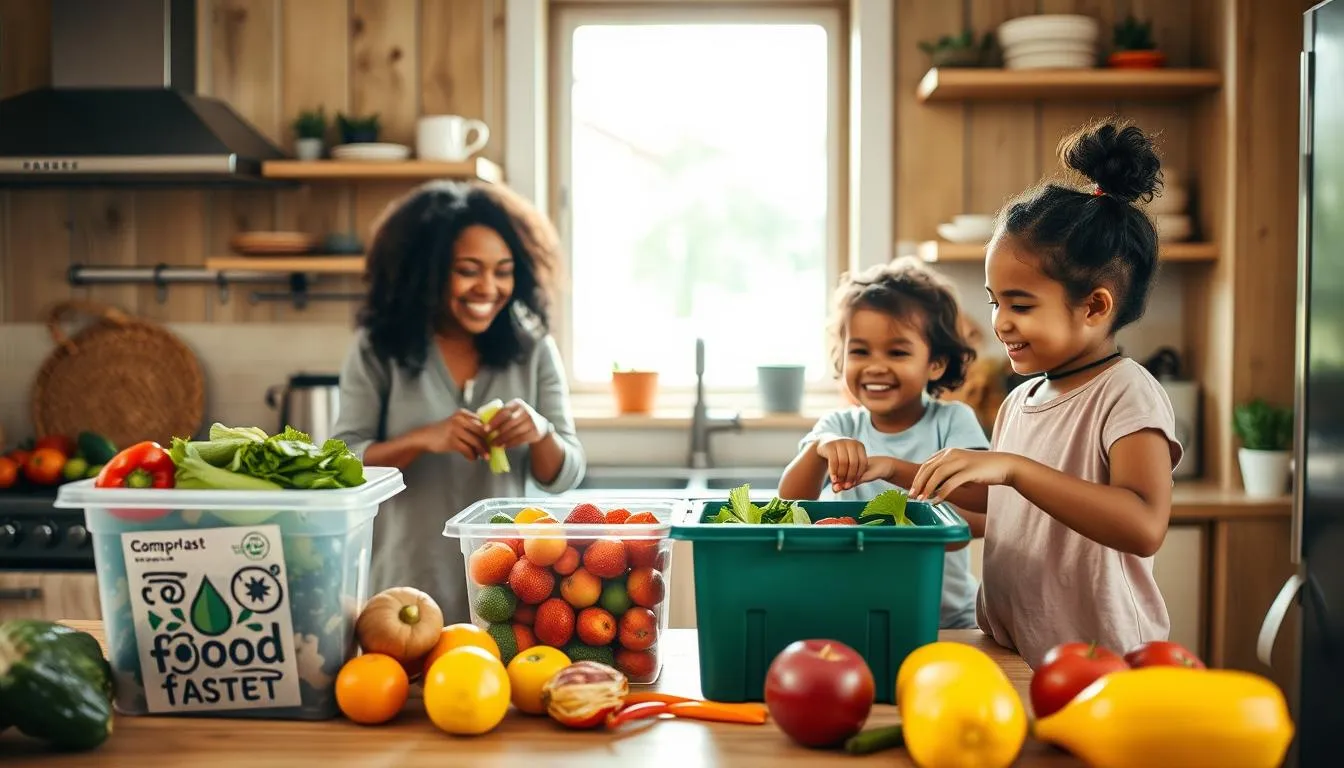
Being creative with leftovers is another effective way to reduce food waste. Turning last night’s dinner into tomorrow’s lunch or using leftover vegetables in a soup are just a few examples. The key is to see leftovers as an opportunity for a new meal rather than waste.
Composting Basics for Beginners
Composting is a natural process that turns food waste into a valuable resource for gardening. It’s an easy and effective way to reduce the amount of waste sent to landfills.
Indoor Composting Solutions
For those living in apartments or with limited outdoor space, indoor composting is a viable option. Using a compact composting bin or worm composter can efficiently manage food waste indoors.
Community Composting Programs
Many communities now offer composting programs that allow residents to drop off their food waste. Participating in these programs is a great way to contribute to a more sustainable community.
Sustainable Cooking Methods and Practices
The way we cook can significantly impact the environment, making sustainable cooking methods a crucial aspect of a greener lifestyle. By adopting eco-friendly cooking practices, we can reduce our carbon footprint and contribute to a more sustainable food system.
Energy-Efficient Cooking Techniques
One of the simplest ways to make your cooking more sustainable is by using energy-efficient cooking techniques. This includes using induction cooktops, which are more energy-efficient than traditional electric stoves, and optimizing your oven use by cooking multiple dishes at once. According to a study on sustainable cooking practices, adopting such techniques can significantly reduce energy consumption in the kitchen.
Water Conservation in the Kitchen
Water conservation is another critical aspect of sustainable cooking. Simple practices like turning off the tap while washing vegetables or using a bowl to collect water for rinsing can make a significant difference. Additionally, using a dishwasher can be more water-efficient than washing dishes by hand, especially when it’s fully loaded.
Eco-Friendly Kitchen Tools and Appliances
Choosing eco-friendly kitchen tools and appliances is also vital. Look for appliances with high energy-star ratings and consider the environmental impact of the materials used in your kitchen utensils. For instance, opting for bamboo or recycled materials can reduce waste and support sustainability.
Batch Cooking for Sustainability
Batch cooking is not only a time-saver but also a sustainable practice. By cooking in bulk, you can reduce food waste and save energy by minimizing the number of times you need to heat your oven or stove. This method also allows for better meal planning, ensuring that you use up all the ingredients you purchase.
Growing Your Own Sustainable Food
Growing your own food is a rewarding way to contribute to a more sustainable future. By cultivating a home garden, individuals can reduce their reliance on industrial agriculture, lower their carbon footprint, and enjoy fresh, nutritious produce.
Starting a Home Garden in Limited Space
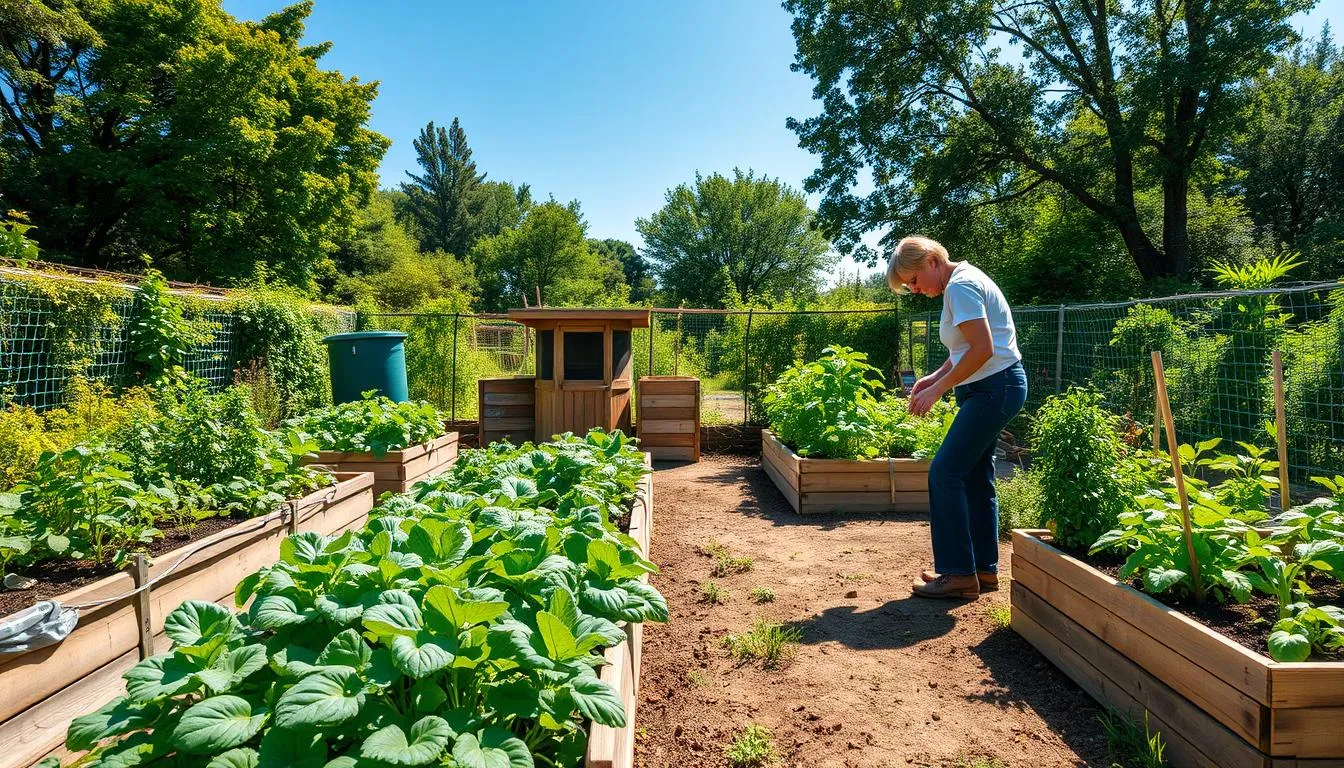
Not everyone has a large backyard, but that doesn’t mean you can’t start a garden. Container gardening and vertical gardening are excellent options for small spaces. You can use pots, planters, or even repurpose old items like wooden crates or plastic bottles to create a thriving garden in minimal space.
Sustainable Gardening Practices
Sustainable gardening is about more than just growing your own food; it’s about doing so in a way that benefits the environment. This includes practices like:
- Using natural pest management techniques
- Implementing water-wise gardening methods
- Composting to enrich soil health
Natural Pest Management
Instead of relying on chemical pesticides, consider natural methods to control pests. This can include introducing beneficial insects, using physical barriers, or applying organic pest control substances.
Water-Wise Gardening
Conserving water is crucial in sustainable gardening. Techniques like drip irrigation and mulching can significantly reduce water waste. For more tips on starting your edible garden, visit this resource.
Community Gardens and Urban Farming
For those without even a small backyard, community gardens and urban farming offer alternative ways to grow your own food. These communal spaces not only provide access to land but also foster a sense of community among gardeners.
Preserving Your Harvest
To enjoy your homegrown produce year-round, learn how to preserve it. Techniques like canning, freezing, and dehydrating can help you savor your harvest throughout the seasons.
Current Food Trends Promoting Sustainability
Sustainable food practices are gaining momentum, with several key trends emerging in the culinary world. These trends not only reflect a shift in consumer preferences but also contribute to a more environmentally friendly food system.
The Rise of Plant-Based Diets
Plant-based diets have seen a significant surge in popularity, driven by concerns over health, animal welfare, and environmental sustainability. This trend is supported by a growing market for plant-based alternatives to traditional meat and dairy products.
Farm-to-Table Movement
The farm-to-table movement emphasizes the importance of locally sourced produce, reducing the carbon footprint associated with transportation and supporting local economies. Restaurants and consumers alike are embracing this trend, valuing freshness and community connection.
Zero-Waste Cooking
Zero-waste cooking is gaining traction as a way to reduce food waste. Chefs and home cooks are finding creative ways to use every part of the ingredient, minimizing waste and maximizing flavor.
Regenerative Agriculture
Regenerative agriculture focuses on practices that improve soil health, biodiversity, and ecosystem services. This approach not only enhances the sustainability of farming but also contributes to carbon sequestration.
Food Tech Innovations
Technology is playing a crucial role in transforming the food system. Innovations such as vertical farming, precision agriculture, and alternative protein sources are making sustainable food production more efficient and accessible.
| Trend | Key Benefit | Impact |
|---|---|---|
| Plant-Based Diets | Reduced environmental impact | Less greenhouse gas emissions |
| Farm-to-Table | Supports local economies | Boosts community development |
| Zero-Waste Cooking | Reduces food waste | Less waste in landfills |
Conclusion: Embracing a Sustainable Food Future
As we conclude this comprehensive food sustainability guide, it’s clear that adopting sustainable food practices is crucial for a healthier planet. By understanding the environmental impact of our food choices and making informed decisions, we can significantly reduce our ecological footprint.
Embracing a sustainable food future involves incorporating practices such as choosing locally sourced products, reducing food waste, and opting for plant-based diets. These simple yet effective changes can have a profound impact on the environment, contributing to a more resilient food system.
By following the guidelines outlined in this food sustainability guide, individuals can play a vital role in promoting sustainable food practices. Together, we can create a more sustainable food culture that benefits both our health and the planet.
FAQ
What are sustainable food practices?
Sustainable food practices refer to the methods and habits that minimize the environmental impact of food production, processing, transportation, and consumption. This includes choosing locally sourced, seasonal, and organic produce, reducing food waste, and adopting eco-friendly cooking methods.
How can I make my diet more sustainable?
To make your diet more sustainable, consider incorporating more plant-based protein sources, such as beans and lentils, and choosing sustainable seafood options. You can also reduce your carbon footprint by buying locally sourced produce and reducing food waste by planning your meals and using up leftovers.
What are some examples of sustainable foods?
Some examples of sustainable foods include plant-based protein sources like tofu and tempeh, sustainable grains like quinoa and brown rice, and environmentally-friendly fruits and vegetables like leafy greens and root vegetables. You can also consider choosing ethical animal products like grass-fed beef and pasture-raised eggs.
How can I reduce food waste at home?
To reduce food waste at home, start by planning your meals and making a grocery list to avoid buying too much food. You can also use up leftovers by incorporating them into new meals or freezing them for later. Additionally, consider composting food scraps to reduce your waste and create nutrient-rich soil.
What is regenerative agriculture, and how does it promote sustainability?
Regenerative agriculture refers to farming practices that prioritize soil health, biodiversity, and ecosystem services. This approach promotes sustainability by improving soil carbon sequestration, reducing synthetic fertilizer use, and promoting ecosystem resilience. Regenerative agriculture can help mitigate climate change, improve water quality, and support local ecosystems.
How can I find sustainable seafood options?
To find sustainable seafood options, look for certifications like the Marine Stewardship Council (MSC) or the Aquaculture Stewardship Council (ASC). You can also check the Monterey Bay Aquarium’s Seafood Watch guide, which provides recommendations on sustainable seafood choices based on the latest research and data.
What are some eco-friendly kitchen tools and appliances?
Some eco-friendly kitchen tools and appliances include energy-efficient cooking appliances like induction cooktops and slow cookers, as well as sustainable cookware made from materials like cast iron, stainless steel, or ceramic. You can also consider using reusable kitchen utensils and bags to reduce waste.
How can I get started with growing my own sustainable food?
To get started with growing your own sustainable food, begin by assessing your climate and soil type to determine the best crops to grow. You can start small with a few herbs or vegetables and gradually expand your garden as you gain experience. Consider using sustainable gardening practices like natural pest management and water-wise gardening to minimize your environmental impact.