The Ultimate Guide to Sustainable Living & Eco Innovation
Sustainability is the foundation upon which eco-friendly living is built, and it's more important than ever. As we navigate the complexities of environmental challenges, understanding what sustainability entails is crucial for making informed decisions in our daily lives.

20 min read
The Ultimate Guide to Sustainable Living & Eco Innovation
Embracing a more eco-friendly lifestyle is no longer a choice but a necessity. As we face the challenges of climate change, it’s crucial to adopt sustainable practices that not only benefit the environment but also enhance our quality of life.
Our comprehensive guide is designed to provide you with practical eco innovation tips and insights into creating a more sustainable future. From simple changes in your daily routine to more significant investments in eco-friendly technologies, we’ll explore the various ways you can contribute to a healthier planet.
By making informed choices and embracing sustainable living guide principles, you can play a vital role in protecting our environment. Let’s embark on this journey together, exploring the possibilities and opportunities that sustainable living has to offer.
Key Takeaways
- Discover simple and effective ways to live more sustainably
- Learn about the latest eco innovation tips and technologies
- Understand the importance of adopting eco-friendly practices in daily life
- Explore how sustainable living can benefit both you and the environment
- Get started on your journey to a more sustainable future today
Understanding Sustainability: The Foundation of Eco-Friendly Living
Sustainability is the foundation upon which eco-friendly living is built, and it’s more important than ever. As we navigate the complexities of environmental challenges, understanding what sustainability entails is crucial for making informed decisions in our daily lives.
What Does Sustainable Living Really Mean?
Sustainable living refers to the practice of reducing our environmental footprint by making conscious choices in our daily lives. It involves adopting habits and practices that minimize harm to the environment, conserve natural resources, and promote social equity. For a deeper understanding of sustainable development, visit this resource.
The Three Pillars of Sustainability
The concept of sustainability is supported by three core pillars:
Environmental Sustainability
This pillar focuses on preserving natural resources and reducing pollution. It involves practices like conserving water, reducing waste, and using renewable energy sources.
Social Sustainability
Social sustainability emphasizes the importance of social equity and community well-being. It involves promoting fair labor practices, supporting local communities, and ensuring access to resources for all.
Economic Sustainability
Economic sustainability is about maintaining economic viability while promoting sustainable practices. It involves adopting sustainable business models, investing in green technologies, and promoting eco-friendly economic policies.
| Pillar | Focus | Examples |
|---|---|---|
| Environmental | Preserving natural resources | Renewable energy, waste reduction |
| Social | Social equity and community | Fair labor practices, community support |
| Economic | Economic viability | Green technologies, sustainable business models |
Climate change, biodiversity loss, and social inequality are pressing issues that demand immediate attention. Sustainable living is not just a moral imperative; it’s a necessity for ensuring a livable future. As Mahatma Gandhi once said, “The earth has enough for everyone’s need, but not enough for everyone’s greed.”
“The earth has enough for everyone’s need, but not enough for everyone’s greed.” - Mahatma Gandhi
Embracing sustainable living practices is a step towards mitigating these global challenges. By understanding and adopting sustainable lifestyles, we can contribute to a more equitable and environmentally conscious world.
Your Complete Sustainable Living Guide: First Steps
Taking the first step towards sustainable living involves evaluating your current habits and their environmental impact. This initial assessment is crucial for identifying areas that need improvement and setting the stage for a more eco-friendly lifestyle.
Assessing Your Current Environmental Impact
Understanding your environmental footprint is the foundation of sustainable living. It helps you pinpoint where you can make significant changes.
Carbon Footprint Calculators
Utilizing online carbon footprint calculators is a straightforward way to gauge your impact. These tools consider various factors, including energy consumption, transportation habits, and waste generation.
Home Energy Audits
Conducting a home energy audit can reveal inefficiencies in your home’s energy usage. This process involves examining your home’s insulation, windows, and heating/cooling systems to identify areas for improvement.
Setting Realistic Sustainability Goals
Once you’ve assessed your environmental impact, the next step is to set achievable sustainability goals. These goals should be specific, measurable, and aligned with your values.
Tracking Your Progress
Monitoring your progress is essential for staying motivated and making adjustments as needed. Keep a journal or use an app to track your sustainability efforts.
| Sustainability Goal | Action Plan | Tracking Method |
|---|---|---|
| Reduce energy consumption | Switch to LED bulbs, adjust thermostat | Utility bill tracking |
| Minimize waste | Implement recycling, composting | Waste log |
| Conserve water | Fix leaks, install low-flow fixtures | Water meter readings |
Energy Efficiency: Powering Your Home Sustainably
As we move towards a more eco-friendly future, optimizing our homes for energy efficiency is paramount. This not only reduces our environmental footprint but also leads to significant savings on energy bills.
Renewable Energy Options for Homeowners
One of the most effective ways to achieve energy efficiency is by harnessing renewable energy sources. Homeowners have several options to consider:
Solar Panel Installation Basics
Solar panels are a popular choice for renewable energy. They convert sunlight into electricity, reducing reliance on fossil fuels. When considering solar panel installation, it’s essential to assess your home’s solar potential, including the orientation of your roof and local sunlight patterns.
Wind and Geothermal Alternatives
Besides solar energy, wind and geothermal power are viable alternatives. Wind turbines can be installed on properties with sufficient wind flow, while geothermal systems utilize the earth’s heat to provide both heating and cooling.
Simple Energy-Saving Habits
Adopting simple energy-saving habits can significantly impact your home’s energy efficiency. This includes turning off lights when not in use, using energy-efficient appliances, and insulating your home properly.
| Energy-Saving Habit | Impact |
|---|---|
| Turning off lights | Reduces electricity consumption |
| Using energy-efficient appliances | Lowers overall energy usage |
| Proper insulation | Minimizes heat loss in winter and heat gain in summer |
Smart home technology plays a crucial role in energy conservation. Devices such as smart thermostats and energy monitors help homeowners track and manage their energy usage more effectively. For more tips on sustainable living, visit EcoFlow’s Sustainable Living Guide.
 By combining renewable energy sources, simple energy-saving habits, and smart home technology, homeowners can significantly enhance their home’s energy efficiency, contributing to a more sustainable future.
Water Conservation: Every Drop Counts
As the world grapples with water scarcity, adopting water-saving practices has become more crucial than ever. Conserving water is not just about saving a precious resource; it’s also about reducing your utility bills and contributing to a more sustainable living guide.
Indoor Water-Saving Techniques
Simple changes in your daily habits and home fixtures can significantly reduce water consumption. Two effective methods include:
- Installing low-flow fixtures and appliances, which can reduce water usage without compromising performance.
- Implementing leak detection and repair to prevent water waste.
Low-Flow Fixtures and Appliances
Low-flow showerheads, faucets, and toilets are designed to use less water while maintaining the water pressure you’re used to. For example, replacing old showerheads with low-flow models can save up to 2.5 gallons of water per minute. You can find more information on water-saving tips on websites like Fillmore’s Civic Alerts.
Leak Detection and Repair
A single dripping faucet can waste up to 20 gallons of water per day. Regularly checking your home for leaks and fixing them promptly is a simple yet effective way to conserve water.
Sustainable Landscaping and Outdoor Water Use
Outdoor water use can account for a significant portion of your household’s water consumption. Adopting sustainable landscaping practices, such as planting drought-resistant plants and using efficient irrigation systems, can help reduce this usage.
Rainwater Harvesting Systems
Rainwater harvesting involves collecting and storing rainwater for later use, such as watering plants or washing cars. This practice not only conserves water but also reduces stormwater runoff. Installing a rainwater harvesting system can be a valuable addition to your home’s water conservation efforts.
Zero-Waste Living: Reducing Your Environmental Footprint
The journey to a zero-waste lifestyle begins with small, conscious decisions in our daily lives. By making a few simple changes, we can significantly reduce our environmental footprint and contribute to a more sustainable future.
Practical Ways to Reduce Household Waste
One of the most effective ways to start your zero-waste journey is by reducing household waste. This can be achieved through several eco innovation tips, such as minimizing plastic use and opting for reusable products.
Plastic-Free Alternatives
Switching to plastic-free alternatives is a crucial step. Consider using beeswax wraps instead of plastic wrap for food storage, and choose products with minimal or biodegradable packaging.
Reusable Products Worth Investing In
Investing in reusable products like stainless steel water bottles and cloth shopping bags can significantly reduce daily waste. These simple swaps are part of a complete sustainable lifestyle.
Composting Basics for Beginners
Composting is a great way to reduce food waste and create nutrient-rich soil for your garden. Start by composting kitchen scraps like vegetable peels and coffee grounds.
Recycling Done Right
Proper recycling practices are essential. Ensure you’re recycling correctly by understanding what materials are accepted by your local recycling program.
| Zero-Waste Practice | Benefit |
|---|---|
| Using reusable bags | Reduces plastic waste |
| Composting | Creates nutrient-rich soil |
| Proper recycling | Conserves natural resources |
Our dietary choices have a profound impact on the environment, making sustainable food choices essential. By understanding the implications of our food choices, we can make informed decisions that contribute to a healthier planet.
Understanding Food Miles and Seasonal Eating
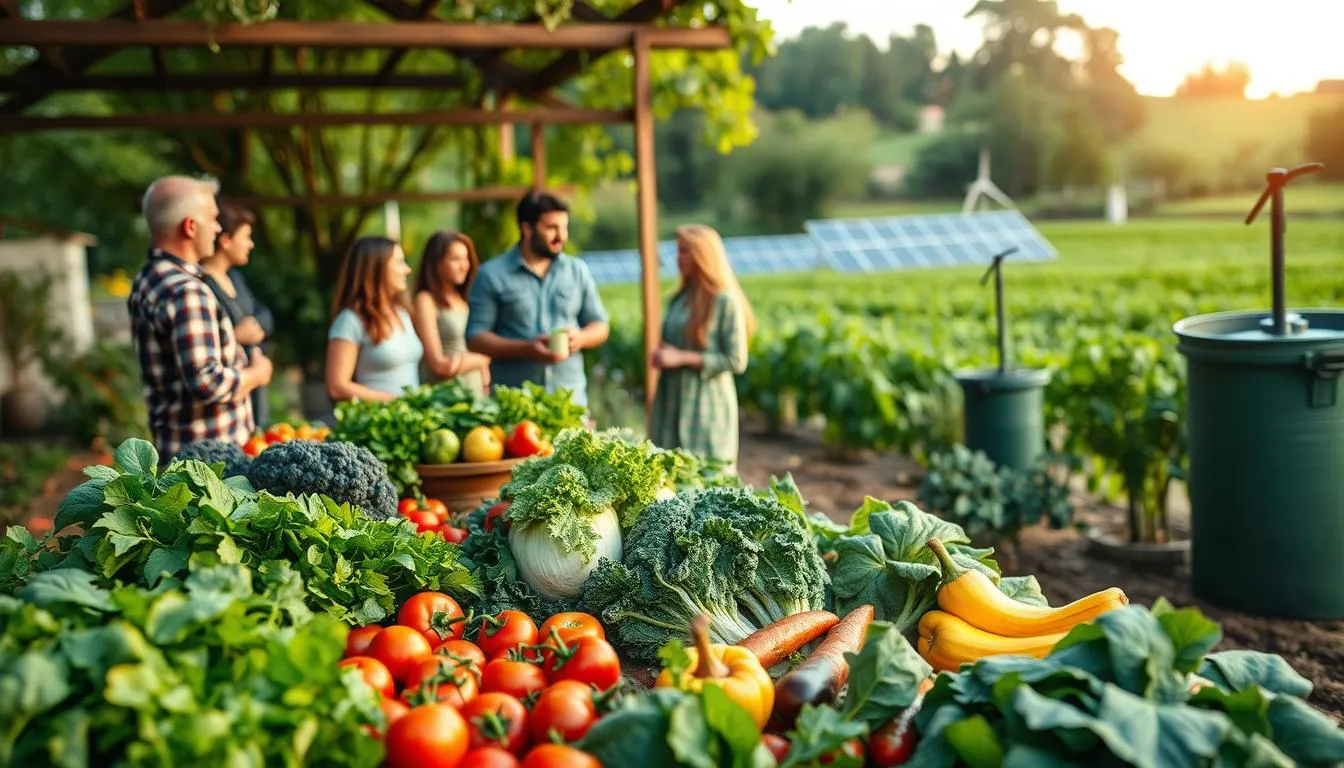
One key aspect of sustainable eating is considering the distance your food travels, known as “food miles.” Choosing seasonal produce reduces the carbon footprint associated with transportation. Seasonal eating not only supports local farmers but also ensures that you’re consuming fresher, more nutritious food.
Plant-Based Diet Options
Adopting a plant-based diet is another effective way to reduce your environmental impact. Plant-based diets tend to have a lower carbon footprint compared to diets heavy in animal products.
Gradual Transition Tips
Transitioning to a plant-based diet can be done gradually. Start by substituting one or two meals a day with plant-based options and gradually increase the number of plant-based meals.
Nutrient Considerations
It’s essential to ensure you’re getting all necessary nutrients on a plant-based diet. Pay attention to your intake of protein, iron, and vitamin B12. Consulting a nutritionist or using resources like the G20 National Dietary Guidelines can provide valuable guidance.
Reducing Food Waste in Your Kitchen
Reducing food waste is a critical component of sustainable eating. Planning your meals and preserving food are effective strategies.
Meal Planning Strategies
Effective meal planning involves creating a shopping list based on the meals you plan to cook. This helps avoid buying unnecessary items that may go to waste.
Food Preservation Techniques
Preserving food through methods like canning, freezing, or dehydrating can significantly reduce waste. These techniques allow you to enjoy seasonal produce year-round.
| Food Preservation Method | Description | Best For |
|---|---|---|
| Canning | Sealing food in airtight containers | Fruits, vegetables, meats |
| Freezing | Lowering food temperature to preserve | Meats, vegetables, prepared meals |
| Dehydrating | Removing moisture from food | Fruits, vegetables, herbs |
Eco-Friendly Transportation: Getting Around Greener
Eco-friendly transportation is not just a trend; it’s a necessary shift towards a more sustainable lifestyle. As we navigate our daily lives, the choices we make about how we travel can significantly impact the environment.
Alternative Transportation Methods
One of the most effective ways to reduce our carbon footprint is by adopting alternative transportation methods. This includes:
- Biking
- Using public transit
- Carpooling
Biking Infrastructure and Safety
Improving biking infrastructure is crucial for making cycling a safe and viable option for more people. This involves creating dedicated bike lanes and ensuring that cyclists have the necessary safety equipment.
Utilizing public transit is another effective way to reduce emissions. Cities with well-developed public transit systems offer residents a convenient alternative to driving personal vehicles.
Electric Vehicles and Hybrid Options
For those who still prefer to own a vehicle, electric vehicles (EVs) and hybrid options are becoming increasingly popular. EVs produce zero tailpipe emissions, while hybrids offer improved fuel efficiency.
Reducing Carbon Emissions When Travel is Necessary
Sometimes, travel is unavoidable. To minimize our impact, we can opt for sustainable travel practices, such as choosing direct flights and offsetting carbon emissions.
By incorporating these eco-friendly transportation methods into our daily routines, we can make significant strides towards a complete sustainable lifestyle.
Green Home and Personal Care Products
As we strive for a greener future, it’s essential to examine the impact of our daily choices on the environment, starting with home and personal care products. The products we use not only affect our health but also the planet.
Non-Toxic Cleaning Solutions
Switching to non-toxic cleaning solutions is a significant step towards a healthier home. DIY cleaning recipes offer a fun and effective way to reduce chemical use.
DIY Cleaning Recipes
- Mix baking soda and vinegar for a natural scrub.
- Use lemon juice and olive oil for a streak-free shine.
Eco-Certified Brands
For those preferring ready-made solutions, look for eco-certified brands that adhere to strict environmental standards.
Sustainable Personal Care Alternatives
Personal care products, from soaps to lotions, can also be made more sustainable. Opt for products with natural ingredients and minimal packaging.
Avoiding Greenwashing When Shopping
Be cautious of greenwashing 鈥?when companies misleadingly market their products as eco-friendly. Check for third-party certifications and read labels carefully to ensure you’re making a genuinely sustainable choice.
By making informed choices about home and personal care products, we contribute to a sustainable living guide for a healthier planet.
Sustainable Fashion: Dressing with Environmental Consciousness
Sustainable fashion is no longer a niche market, but a growing movement that’s changing the way we dress. As consumers become more aware of the environmental and social impacts of their purchasing decisions, the demand for eco-friendly clothing is on the rise.
The Devastating Impact of Fast Fashion
Fast fashion has been criticized for its significant environmental footprint, including massive waste generation and pollution. The rapid production and distribution of cheap clothing have led to a culture of disposability, with many garments being worn only once or twice before being discarded.

Ethical Clothing Brands and Certifications
In response to the environmental concerns associated with fast fashion, many brands are adopting sustainable practices. Look for certifications like GOTS (Global Organic Textile Standard) and Oeko-Tex, which ensure that clothing is made with environmentally friendly materials and processes.
Creating a Capsule Wardrobe
A capsule wardrobe is a key strategy for sustainable fashion. It involves paring down your wardrobe to essential, versatile pieces that can be mixed and matched to create multiple outfits.
A Quality vs. Quantity Approach
Investing in higher-quality, timeless pieces may seem more expensive upfront, but it can lead to long-term savings and reduced waste.
The Benefits of Second-Hand and Vintage Shopping
Shopping for second-hand and vintage clothing is another way to reduce your environmental footprint. It gives old clothes a new life and reduces the demand for new, resource-intensive garments.
By embracing sustainable fashion practices, consumers can significantly reduce their environmental impact while still enjoying the latest styles and trends.
Eco Innovation: Technologies Shaping a Sustainable Future
Eco innovation is revolutionizing the way we live, work, and interact with our environment, paving the path to a greener tomorrow. As we continue to face environmental challenges, the role of technology and innovation in driving sustainability has become more crucial than ever.
Breakthrough Sustainable Technologies
The rapid advancement in sustainable technologies is transforming industries and homes alike. From renewable energy sources to innovative materials, these breakthroughs are crucial in our journey towards a more sustainable world.
Renewable Energy Advancements
Renewable energy has seen significant advancements, with solar and wind power becoming more efficient and affordable. Smart grids and energy storage solutions are also playing a critical role in managing and distributing renewable energy effectively.
Circular Economy Solutions
The concept of a circular economy is gaining traction as a sustainable alternative to the traditional linear economy. It focuses on reducing waste and the continuous use of resources, thereby minimizing environmental impact.
“The circular economy is not just a theoretical concept; it’s a practical solution that businesses and individuals can adopt to make a significant difference.” -
Expert in Sustainable Practices
Green Startups Making a Difference
Green startups are at the forefront of eco innovation, bringing fresh ideas and solutions to the table. These startups are not only contributing to environmental sustainability but are also creating new economic opportunities.
- Developing sustainable products
- Offering eco-friendly services
- Innovating in waste reduction and management
How to Support Eco Innovation
Supporting eco innovation requires a collective effort from individuals, businesses, and governments. By investing in green technologies and sustainable practices, we can accelerate the transition to a more eco-friendly world. For a comprehensive sustainable living guide, explore resources that provide insights into green living and eco innovation.
Community Engagement: Expanding Your Sustainable Impact
Building a sustainable future requires collective effort and community engagement. As individuals, our actions can significantly impact the environment, but when we work together as a community, we can achieve far more.
Finding Local Sustainability Groups
One of the first steps in community engagement is finding local groups that share your passion for sustainability. You can search online, check social media, or visit local community centers to find groups that align with your interests. For instance, you might be interested in joining a local environmental advocacy group or participating in a community garden. To get started, consider visiting websites like College Essay Guy for inspiration on community projects.
Advocating for Environmental Policies
Advocating for environmental policies is another crucial aspect of community engagement. This can involve attending city council meetings, participating in local campaigns, or simply raising awareness about important environmental issues. Key actions include:
- Staying informed about local environmental policies
- Contacting local representatives to express your views
- Participating in community meetings and discussions
Starting Community Sustainability Initiatives
Starting your own community sustainability initiatives can be a rewarding way to make a difference. Ideas include organizing community clean-up events, creating a community garden, or initiating a local recycling program.
Community Gardens and Food Sharing
Community gardens not only provide fresh produce but also serve as a hub for community interaction. They promote sustainable food practices and help build stronger, more connected communities.
Neighborhood Clean-Up Events
Organizing neighborhood clean-up events is a great way to bring the community together while improving local environments. These events can help raise awareness about the importance of keeping our neighborhoods clean and encourage others to take action.
Conclusion: Your Journey Toward a Sustainable Lifestyle
As we conclude this comprehensive sustainable living guide, it’s clear that adopting a greener lifestyle is a journey, not a destination. By implementing the strategies outlined in this green living overview, you can significantly reduce your environmental footprint and contribute to a more sustainable future.
From energy-efficient practices and water conservation to zero-waste living and eco-friendly transportation, every step counts. The key is to start small, be consistent, and continually explore new ways to live more sustainably. As you embark on this journey, remember that every choice you make has the power to create a positive impact on the planet.
By embracing sustainable living, you’re not only improving the health of our planet, but also enhancing your own well-being. Stay committed, stay informed, and let’s work together towards a greener tomorrow.
FAQ
What is sustainable living, and why is it important?
Sustainable living refers to the practice of reducing your environmental impact by making conscious choices in your daily life. It’s essential for preserving natural resources, mitigating climate change, and ensuring a healthy planet for future generations.
How can I start living a more sustainable lifestyle?
Begin by assessing your current environmental impact, setting realistic sustainability goals, and making small changes such as reducing energy consumption, using public transport, or adopting a plant-based diet. Our complete sustainable living guide provides a comprehensive overview to help you get started.
What are some simple ways to conserve energy at home?
Simple energy-saving habits include turning off lights, using energy-efficient appliances, and adjusting your thermostat. You can also consider investing in smart home technology to optimize your energy usage.
How can I reduce my water footprint?
You can conserve water by installing low-flow fixtures, fixing leaks, and implementing rainwater harvesting systems. Sustainable landscaping practices, such as using drought-resistant plants, can also help reduce your water usage.
What are some eco-friendly alternatives to traditional cleaning products?
Consider switching to non-toxic cleaning solutions, such as DIY cleaning recipes using natural ingredients like baking soda and vinegar, or opting for eco-certified brands that offer sustainable cleaning products.
How can I make a positive impact through sustainable fashion?
You can start by adopting a quality vs. quantity approach, investing in timeless pieces, and exploring second-hand or vintage shopping. Supporting ethical clothing brands and certifications can also promote sustainable fashion practices.
What role does community engagement play in sustainability efforts?
Community engagement is crucial for expanding your sustainable impact. You can join local sustainability groups, advocate for environmental policies, or start community initiatives like community gardens or neighborhood clean-up events.
How can I stay updated on the latest eco innovations and sustainable technologies?
Follow green startups, research institutions, and eco-friendly companies to stay informed about breakthrough sustainable technologies and innovations. You can also support eco innovation by investing in sustainable products or services.
What are some effective ways to reduce food waste in my kitchen?
Implement meal planning strategies, use up leftovers, and explore food preservation techniques like canning or freezing. Composting food waste is also an excellent way to reduce your environmental footprint.
How can I make sustainable food choices?
Consider adopting a plant-based diet, choosing seasonal and locally sourced produce, and reducing food packaging waste. Understanding food miles and supporting sustainable agriculture can also contribute to a more sustainable food system.