Understanding Climate Change and Its Impact
Understanding the science behind climate change is crucial for addressing its impacts. Climate change is a multifaceted issue that involves various scientific disciplines.

19 min read
Climate change is one of the most pressing issues of our time, affecting not just the environment, but human societies as well. The United Nations highlights that the average global surface temperature has risen significantly since the late 1800s, driven mainly by human activities such as burning fossil fuels and land-use changes.
The consequences of climate change are far-reaching, from droughts and sea-level rise to severe weather events and biodiversity loss. Understanding these impacts is crucial for developing effective strategies to mitigate and adapt to this global challenge.
Key Takeaways
- The average global surface temperature has risen by about 1.42掳C since the late 1800s.
- Human activities, including burning fossil fuels, are the main drivers of climate change.
- Climate change affects various sectors, including health, food security, and livelihoods.
- Limiting global warming to 1.5掳C is crucial to avoiding the worst impacts.
- Transitioning to renewable energy sources can significantly reduce emissions.
The Science Behind Climate Change
Understanding the science behind climate change is crucial for addressing its impacts. Climate change is a multifaceted issue that involves various scientific disciplines.
Greenhouse Effect Explained
The greenhouse effect is a natural process that occurs when certain gases in the Earth’s atmosphere, such as carbon dioxide and methane, trap heat from the sun. This process is essential for maintaining a climate that can support life.
Key Greenhouse Gases and Their Sources
Key greenhouse gases include carbon dioxide (CO2), methane (CH4), and nitrous oxide (N2O), emitted from sources like fossil fuel combustion, agriculture, and industrial processes.
How Heat Gets Trapped in the Atmosphere
When sunlight enters the Earth’s atmosphere, it is absorbed by the surface, warming it. The heat is then radiated back towards space, but greenhouse gases absorb some of this radiation, trapping heat and warming the atmosphere.
Natural vs. Human-Induced Climate Change
Climate change is influenced by both natural cycles and human activities. Understanding the difference between these factors is crucial.
Natural Climate Cycles
Natural climate cycles, such as changes in Earth’s orbit and volcanic eruptions, have always influenced the planet’s climate. These cycles occur over long periods.
Human Activities Accelerating Change
Human activities, particularly the emission of greenhouse gases through burning fossil fuels and deforestation, have significantly accelerated the rate of climate change.
Understanding Climate Change: Historical Perspective
Understanding the historical context of climate change is crucial for grasping its current implications. Earth’s climate has undergone significant changes throughout its history, influenced by various natural factors.
Earth’s Climate Throughout History
The Earth’s climate has fluctuated between cold and warm periods over millions of years. These fluctuations have been driven by changes in Earth’s orbit, volcanic eruptions, and variations in solar radiation.
Ice Ages and Warm Periods
The Earth has experienced several ice ages, with the most recent one ending about 11,700 years ago. These ice ages were punctuated by warmer interglacial periods, like the current Holocene epoch.
Rate of Current Changes vs. Historical Patterns
While climate change is not new, the current rate of change is significantly faster than historical patterns. This acceleration is primarily driven by human activities, particularly the emission of greenhouse gases.
The Industrial Revolution’s Climate Impact
The Industrial Revolution marked a significant turning point in the history of climate change. It led to a substantial increase in carbon emissions due to the burning of fossil fuels, drastically altering the climate.
Carbon Emissions Since 1850
Since 1850, carbon emissions have risen dramatically, with the concentration of CO2 in the atmosphere increasing by about 40%. This surge is directly linked to industrial activities and the increased use of fossil fuels.
For more information on the history of climate change, visit https://www.history.com/articles/history-of-climate-change.
Tracking Temperature Changes Over Time
Global temperatures have been rising steadily since the late 19th century. Records show that the last decade was the warmest on record, underscoring the rapid pace of climate change.
| Period | Temperature Change | CO2 Concentration |
|---|---|---|
| Pre-Industrial (1850) | Baseline | 280 ppm |
| Industrial Era (2000) | +0.6掳C | 370 ppm |
| Current (2023) | +1.2掳C | 420 ppm |
Understanding the indicators of climate change is crucial for grasping the full extent of its impact on our world. These indicators not only signal the severity of climate change but also help in predicting future changes.
Rising Global Temperatures
The average global temperature has been rising steadily over the past century. This increase is primarily due to the rising levels of greenhouse gases in the atmosphere, which trap heat from the sun. Rising global temperatures are leading to more extreme weather events and altering ecosystems.
Melting Ice Caps and Glaciers
Ice caps and glaciers are melting at an unprecedented rate. This melting contributes to sea level rise and reduces the Earth’s albedo (reflectivity), causing more solar radiation to be absorbed, thus amplifying the warming effect. The rapid melting of ice is a visible indicator of climate change.
Sea Level Rise
As ice melts and oceans expand due to warming, sea levels are rising. This rise has significant implications for coastal regions worldwide.
Coastal Impacts in the United States
In the United States, coastal areas are experiencing more frequent flooding and erosion. Cities like Miami and New Orleans are particularly vulnerable due to their low elevation and the rising sea levels.
Future Projections
Future projections indicate that sea levels will continue to rise, potentially displacing millions of people living in coastal areas. It’s essential to plan for these changes to mitigate the impact.
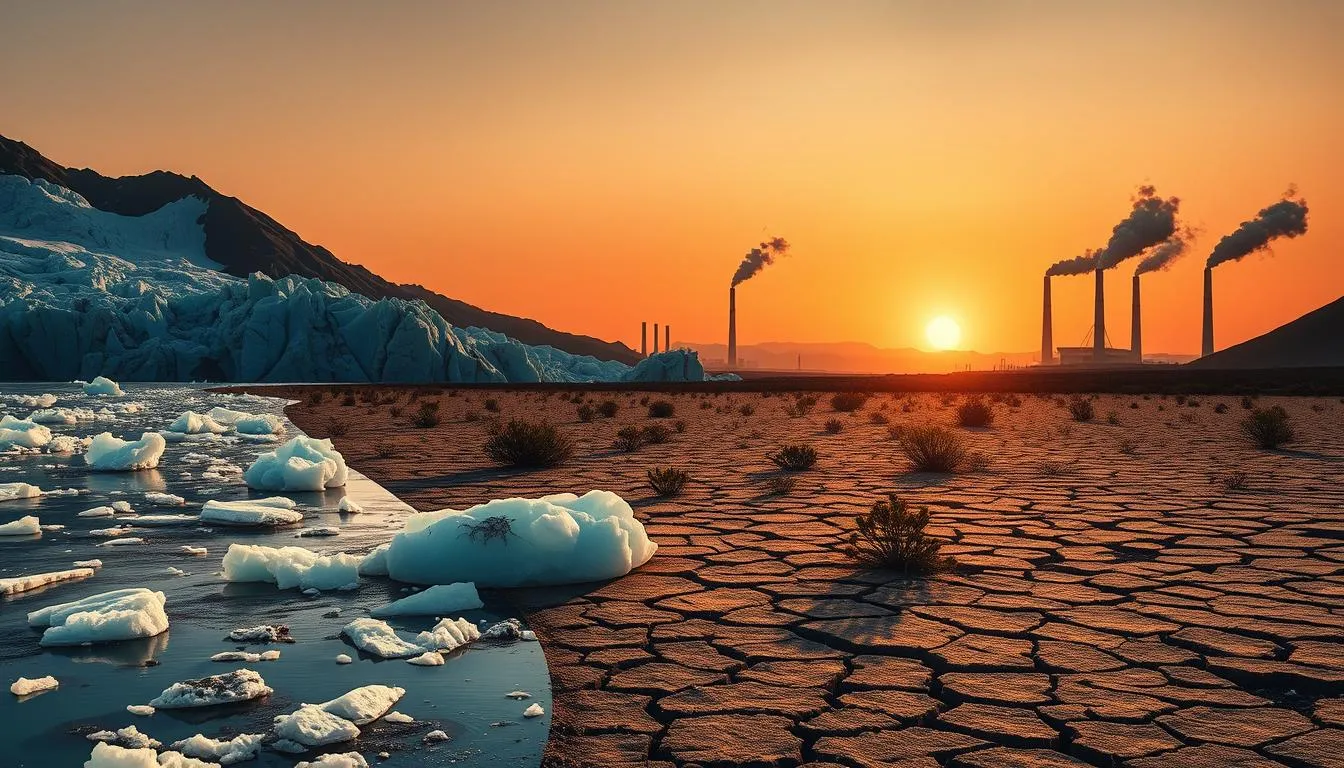 These indicators collectively paint a picture of a planet undergoing significant changes due to climate change. Understanding these changes is the first step towards mitigating their impacts.
Current Climate Issues Facing the United States
The impact of climate change is not uniform across the U.S.; it varies greatly from one region to another. The country is experiencing a range of climate-related issues, from rising temperatures to extreme weather events, each with its unique regional characteristics.
Regional Climate Variations
Regional climate variations are a significant aspect of the climate change narrative in the U.S. Different regions are affected in different ways, leading to diverse climate-related challenges.
Western Drought and Wildfires
The Western United States is facing severe drought conditions, which have contributed to an increase in wildfires. These wildfires not only devastate local ecosystems but also impact air quality across the region.
Flooding in the Midwest and East
In contrast, the Midwest and Eastern parts of the country are experiencing increased flooding due to heavier rainfall events. This flooding can have devastating effects on local communities and infrastructure.
Extreme Weather Events
The frequency and intensity of extreme weather events are on the rise across the U.S. Understanding these events is crucial for developing effective climate resilience.
Hurricane Intensity and Frequency
There has been a notable increase in hurricane intensity, posing significant threats to coastal communities. Preparing for these events is critical to minimizing their impact.
Heat Waves and Cold Snaps
The U.S. is also experiencing more frequent and severe heat waves and cold snaps, both of which have significant implications for public health.
Agricultural Challenges
Climate change is having a profound impact on agriculture across the U.S., affecting crop yields, growing seasons, and water resource management.
Shifting Growing Seasons
Changes in temperature and precipitation patterns are altering growing seasons, requiring farmers to adapt their practices. This shift can lead to both challenges and opportunities for agricultural innovation.
Water Resource Management
Effective water resource management is becoming increasingly important as climate change alters the availability of water for irrigation and other agricultural needs.
The Impact of Climate Change on Ecosystems
The impact of climate change on ecosystems is multifaceted and far-reaching, affecting both marine and terrestrial environments in profound ways.
Marine Ecosystem Disruption
Marine ecosystems are experiencing significant disruptions due to climate change. Rising ocean temperatures and acidification are altering the delicate balance of these ecosystems.
Coral Reef Bleaching
Coral reefs are suffering from widespread bleaching due to increased sea temperatures, leading to a loss of biodiversity. Research indicates that coral reefs are crucial for marine life.
Changing Ocean Currents and Fish Migration
Changes in ocean currents are affecting fish migration patterns, impacting fisheries and the communities that depend on them.
Terrestrial Habitat Transformation
Terrestrial habitats are also being transformed by climate change, with significant implications for wildlife.
Forests are experiencing changes in species composition and forest fires are becoming more frequent, altering ecosystem dynamics.
Wildlife Adaptation and Extinction Risks
Wildlife is facing increased extinction risks as habitats are destroyed or altered, making it challenging for species to adapt.
Human Health Consequences of Climate Change
As climate change intensifies, its consequences for human health become increasingly evident. Rising temperatures and altered ecosystems are leading to a range of health issues that affect populations worldwide.
Heat-Related Illnesses and Mortality
One of the most direct health impacts of climate change is the increase in heat-related illnesses and mortality. As global temperatures rise, heatwaves become more frequent and severe, posing a significant risk to vulnerable populations, especially the elderly and young children. The World Health Organization (WHO) estimates that between 2030 and 2050, climate change will cause approximately 250,000 additional deaths per year, mainly due to malnutrition, malaria, diarrheal diseases, and heat stress.
Vector-Borne Disease Expansion
Climate change is also altering the distribution and prevalence of vector-borne diseases. Warmer temperatures and changing precipitation patterns are expanding the habitats of disease-carrying insects like mosquitoes and ticks.
Tick and Mosquito Range Expansion in North America
In North America, the ranges of ticks and mosquitoes are expanding, increasing the risk of diseases such as Lyme disease and Zika virus. This expansion poses significant public health challenges, requiring enhanced surveillance and preventive measures.
Emerging Disease Threats
As vectors move into new areas, there’s a growing risk of emerging disease threats. According to the WHO, climate change is projected to increase the transmission of vector-borne diseases.
Air Quality and Respiratory Issues
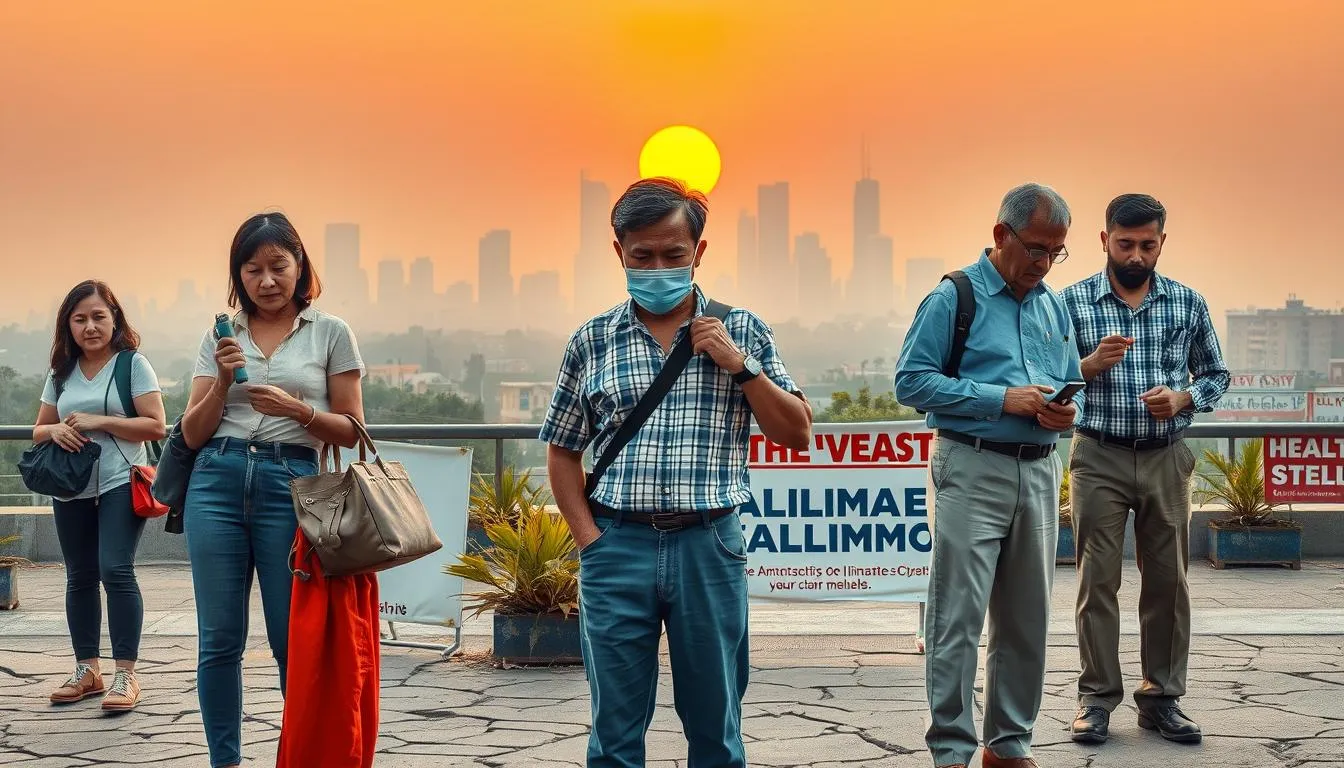
Climate change is exacerbating air quality issues, leading to increased respiratory problems. Rising temperatures can increase the production of allergens and pollutants, worsening conditions like asthma.
“Climate change is one of the most pressing issues of our time, and its impact on air quality is a critical concern for public health.”
Economic Implications of Climate Change
Understanding the economic implications of climate change is crucial for developing effective mitigation strategies. Climate change affects various sectors of the economy, from agriculture to infrastructure, and has significant implications for labor markets and migration patterns.
Agricultural Productivity Shifts
Climate change alters temperature and precipitation patterns, affecting agricultural productivity. This shift can lead to changes in crop yields and impact livestock and fisheries.
Crop Yield Changes
Changes in temperature and precipitation patterns can result in reduced crop yields and affect food security. Farmers may need to adapt by switching to more resilient crop varieties.
Livestock and Fishery Impacts
Livestock and fisheries are also vulnerable to climate change. Rising temperatures can lead to heat stress in animals, reducing productivity and increasing mortality rates.
Infrastructure Damage Costs
Climate change can cause significant damage to infrastructure, including coastal properties and energy and transportation systems.
Coastal Property Risks
Rising sea levels and increased storm intensity pose risks to coastal properties, potentially leading to costly damages and displacement of communities.
Energy and Transportation System Vulnerabilities
Extreme weather events can disrupt energy and transportation systems, leading to economic losses and impacting daily life.
Climate Migration and Labor Markets
Climate change can lead to migration and impact labor markets, with potential economic opportunities in green industries.
Internal U.S. Migration Patterns
Climate change may alter internal migration patterns within the U.S., as people move away from areas most affected by climate-related disasters.
Economic Opportunities in Green Industries
The transition to a green economy can create new job opportunities in renewable energy, sustainable infrastructure, and eco-friendly technologies.
Addressing Climate Change Misconceptions
Despite the overwhelming scientific consensus, misconceptions about climate change continue to influence public discourse and policy decisions. It’s essential to address these misconceptions to foster a more accurate understanding of climate change and its impacts.
Common Climate Change Myths
Several myths surround climate change, including the notion that it’s a natural phenomenon unrelated to human activities. However, research has shown that human-induced factors are significantly contributing to climate change.
Scientific Consensus vs. Public Perception
The scientific consensus on climate change is clear: it’s real, it’s happening now, and it’s primarily caused by human activities. Studies have consistently shown that around 97% of climate scientists agree on this point, contrasting with the often-misrepresented public perception.
Understanding Climate Data Correctly
Climate data, when correctly interpreted, provides compelling evidence of climate change. It’s crucial to rely on credible sources and understand the methodologies behind climate data analysis to avoid perpetuating misconceptions.
Effective Climate Communication
Effective communication is key to addressing climate change misconceptions. This involves not only presenting scientific facts but also engaging with different audiences in a manner that resonates with their values and concerns.
Bridging Political Divides
Climate change is often politicized, but effective communication can help bridge these divides by focusing on shared goals and values.
Making Climate Science Accessible
Making climate science accessible to a broader audience is crucial. This can be achieved through clear, simple language and engaging narratives that convey the urgency and importance of climate issues.
U.S. Climate Policies and Global Agreements
Climate change is a pressing global concern, and the U.S. has been actively involved in creating policies and agreements to combat it. The country’s approach to addressing climate change has evolved significantly over the years, involving both federal and state initiatives.
Evolution of U.S. Climate Policy
The U.S. climate policy has undergone significant transformations, driven by growing concerns about the impact of climate change. This evolution is marked by various legislative and executive actions.
Federal and State Initiatives
Federal initiatives have included laws and regulations aimed at reducing greenhouse gas emissions. Simultaneously, states have implemented their own policies, such as renewable portfolio standards.
U.S. Role in International Climate Efforts
The U.S. has played a crucial role in international climate negotiations, contributing to the development of global agreements like the Paris Agreement.
The Paris Agreement and Beyond
The Paris Agreement represents a landmark in global climate governance, setting a framework for countries to address climate change. The U.S. has been a signatory to this agreement, committing to reduce its carbon footprint.
U.S. Commitments and Implementation
The U.S. has pledged to reduce its greenhouse gas emissions under the Paris Agreement. Implementation involves various federal and state-level actions.
Measuring Progress Toward Goals
Progress toward climate goals is measured through emissions reductions, renewable energy adoption, and other indicators.
| Indicator | 2015 Levels | 2020 Targets | 2025 Projections |
|---|---|---|---|
| Greenhouse Gas Emissions | 6.5 billion metric tons | 5.8 billion metric tons | 5.2 billion metric tons |
| Renewable Energy Share | 15% | 20% | 25% |
| Understanding climate change and its impact is crucial for developing effective policies. The U.S. continues to evolve its climate policies and participate in global agreements to address this pressing issue. |
Technological Solutions and Adaptation Strategies
As we navigate the complexities of climate change, technological innovations are emerging as crucial tools in our adaptation and mitigation efforts. The current climate issues we face demand a multifaceted approach, and technology is at the forefront of this endeavor.
Renewable Energy Revolution
The shift towards renewable energy sources is a significant aspect of combating climate change. Renewable energy is becoming increasingly cost-competitive with fossil fuels, driving its adoption worldwide.
Solar and Wind Power Growth
Solar and wind power are leading the charge in the renewable energy sector. Innovations in solar panel technology and the expansion of wind farms are contributing to a substantial increase in renewable energy production.
Energy Storage Breakthroughs
Advancements in energy storage technologies are crucial for the effective integration of renewable energy sources into the grid. Energy storage solutions, such as batteries, are improving in efficiency and capacity.
Carbon Removal Technologies
Carbon removal technologies are gaining attention as a means to reduce atmospheric CO2 levels. These technologies are vital for achieving net-zero emissions.
Direct Air Capture Innovations
Direct Air Capture technology involves capturing CO2 directly from the air. Innovations in this field are making it more efficient and scalable.
Natural Carbon Sinks Enhancement
Enhancing natural carbon sinks, such as forests and wetlands, is another strategy for removing CO2 from the atmosphere. Reforestation and wetland restoration efforts are critical in this regard.
Climate-Resilient Infrastructure
Building climate-resilient infrastructure is essential for adapting to the impacts of climate change. This includes designing buildings and transportation systems that can withstand extreme weather events.
Building for Extreme Weather
Buildings are being designed with resilience in mind, incorporating materials and designs that can withstand extreme weather conditions.
Water Management Systems
Effective water management systems are crucial for managing the risks associated with climate change, such as floods and droughts. Advanced water management techniques are being implemented to enhance resilience.
Taking Action: What You Can Do
With the understanding of climate change and its far-reaching consequences, it’s time to focus on practical steps you can take. Every individual action counts, and collectively, they can lead to significant positive change.
Sustainable Lifestyle Choices
Making sustainable lifestyle choices is a powerful way to reduce your carbon footprint. This includes being mindful of your food choices and reducing home energy use.
Food Choices and Climate Impact
Choosing a diet rich in plant-based foods can significantly reduce your carbon footprint. Animal agriculture is a significant contributor to greenhouse gas emissions, so reducing meat consumption or adopting a fully plant-based diet can make a big difference.
Reducing Home Energy Use
Simple actions like switching to energy-efficient lighting, turning off appliances when not in use, and insulating your home can significantly reduce energy consumption.
Transportation and Travel Decisions
Transportation is a significant contributor to greenhouse gas emissions. Making conscious choices about how you travel can help mitigate this.
Electric Vehicles and Alternative Transportation
Consider switching to an electric vehicle or using alternative transportation methods like cycling or walking for shorter trips. For longer trips, look into public transport options or carpooling.
Offsetting Unavoidable Emissions
For flights and other unavoidable emissions, consider offsetting by investing in carbon offset projects. This can help balance out your emissions.
Community Engagement and Advocacy
Engaging with your community and advocating for climate policies are crucial steps in driving larger change.
Local Climate Initiatives
Participate in local climate initiatives and support organizations working towards environmental sustainability.
Voting and Political Participation
Use your vote to support policies and leaders that prioritize climate action. Stay informed and participate in public consultations on climate policies.
By making these changes and supporting broader climate initiatives, you can contribute to a more sustainable future. Every action, no matter how small, is a step in the right direction.
Conclusion: Building a Sustainable Future
As we have explored throughout this article, understanding climate change and its impact is crucial for mitigating its effects. From the science behind climate change to its current issues and future implications, it’s clear that a comprehensive approach is needed to address this global challenge.
A climate change overview reveals the complexity of the issue, involving not just environmental factors but also economic and social dimensions. The current climate issues facing the United States and the world underscore the urgency of developing effective strategies for adaptation and mitigation.
Building a sustainable future requires collective action, from adopting renewable energy sources and reducing carbon emissions to promoting sustainable lifestyle choices and supporting climate-resilient infrastructure. By working together, we can create a more sustainable and equitable world for future generations.
The journey towards a sustainable future begins with individual actions and choices, supported by policies and technologies that foster a cleaner, healthier environment. As we move forward, it’s essential to continue learning, innovating, and advocating for climate action.
FAQ
What is climate change, and why is it a significant issue?
Climate change refers to the long-term warming of the planet due to an increase in average global temperatures. It’s a significant issue because it has far-reaching impacts on the environment, human health, and the economy.
How does the greenhouse effect contribute to climate change?
The greenhouse effect is a natural process that occurs when certain gases in the Earth’s atmosphere, such as carbon dioxide and methane, trap heat from the sun, keeping the planet warm enough to support life. However, human activities have increased the concentration of these gases, enhancing the greenhouse effect and leading to global warming.
What are the key indicators of a changing climate?
Key indicators include rising global temperatures, melting ice caps and glaciers, and sea level rise. These changes have significant impacts on ecosystems, human health, and the economy.
How does climate change affect human health?
Climate change increases the spread of diseases, heat stress, and other health problems. Warmer temperatures can also exacerbate respiratory issues like asthma.
What can individuals do to mitigate the effects of climate change?
Individuals can make sustainable lifestyle choices, such as reducing energy consumption, using public transport or electric vehicles, and eating a plant-based diet. They can also engage in community initiatives and advocate for climate policies.
What is the Paris Agreement, and how does it address climate change?
The Paris Agreement is an international accord that aims to limit global warming to well below 2掳C and pursue efforts to limit it to 1.5掳C above pre-industrial levels. It requires countries to submit nationally determined contributions to reduce greenhouse gas emissions.
How does climate change impact ecosystems and biodiversity?
Climate change disrupts ecosystems, leading to loss of biodiversity, and can cause extinction. Rising temperatures alter species distributions, and changing precipitation patterns affect habitats.
What are some effective strategies for adapting to climate change?
Effective strategies include building climate-resilient infrastructure, enhancing natural carbon sinks, and implementing early warning systems for extreme weather events.
How does climate change affect the economy?
Climate change has significant economic implications, including damage to infrastructure, impacts on agricultural productivity, and increased costs associated with health impacts and disaster response.