Understanding the Circular Economy
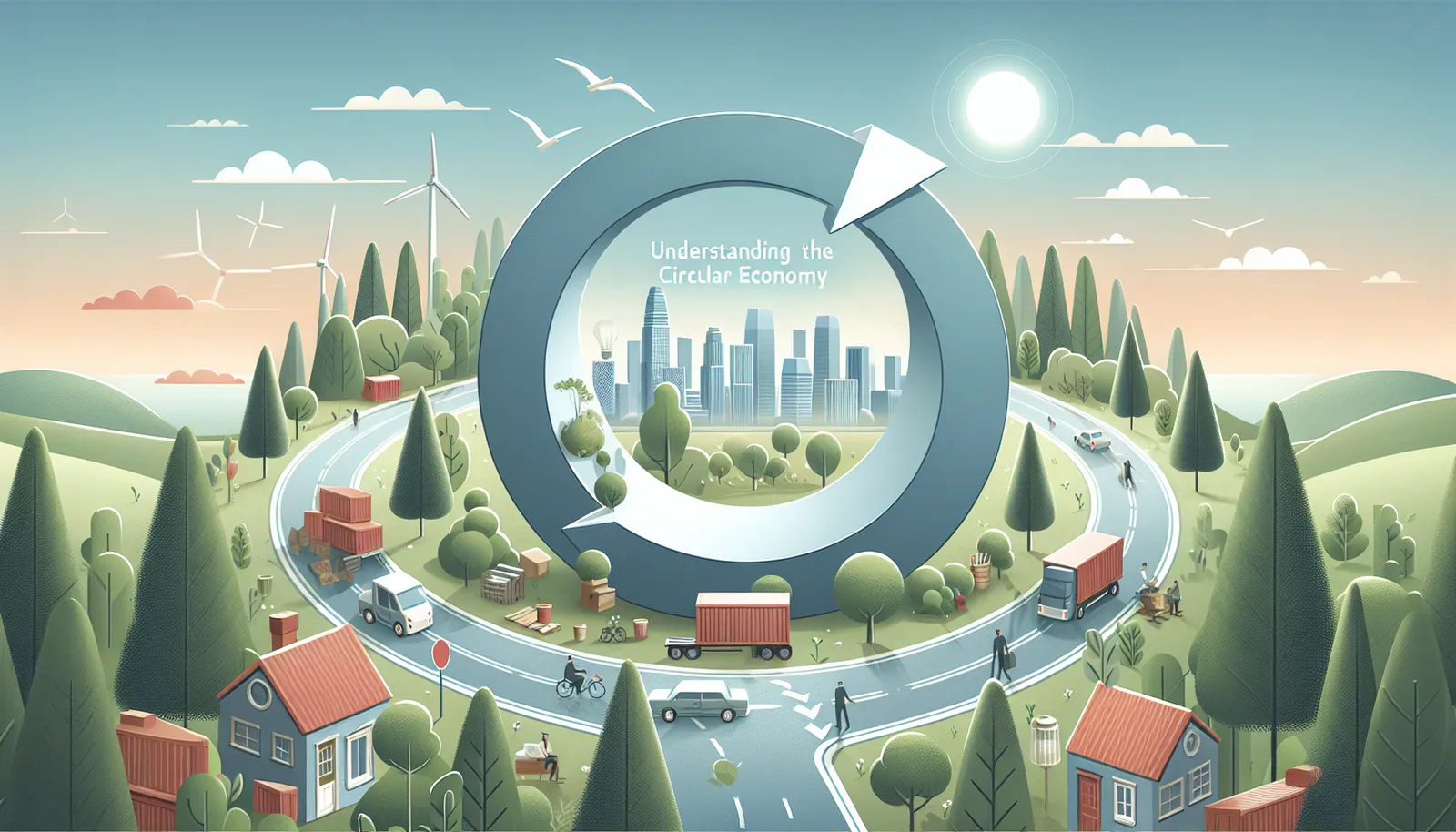
At its core, the circular economy is about creating a more sustainable and regenerative economic system. This approach is designed to maximize the use of resources, reduce waste, and promote the reuse and recycling of products.

17 min read
The world is shifting towards a more sustainable future, and at the heart of this movement is the circular economy. This concept is revolutionizing the way we think about production, consumption, and waste. By adopting a circular economy approach, we can significantly reduce our environmental footprint.
The circular economy is a system where materials never become waste, and nature is regenerated. It’s based on three principles: eliminating waste and pollution, circulating products and materials, and regenerating nature. This approach is crucial in tackling climate change, biodiversity loss, and waste. For more information on the circular economy, you can visit the Ellen MacArthur Foundation website.
Key Takeaways
- The circular economy is a regenerative system that aims to reduce waste and pollution.
- It’s based on three key principles: eliminate waste, circulate products, and regenerate nature.
- This approach helps tackle climate change and biodiversity loss.
- The circular economy promotes sustainability and reduces environmental footprint.
- It’s a resilient system that benefits businesses, people, and the environment.
What Is the Circular Economy?
At its core, the circular economy is about creating a more sustainable and regenerative economic system. This approach is designed to maximize the use of resources, reduce waste, and promote the reuse and recycling of products.
Definition and Core Concepts
The circular economy is defined by its focus on closed-loop systems where materials are constantly cycled back into production, minimizing the need for new raw materials and reducing environmental impacts. Key concepts include designing out waste and pollution, keeping products and materials in use, and regenerating natural systems. This economic model seeks to redefine growth and prosperity by decoupling economic activity from the consumption of finite resources.
The Three Principles: Reduce, Reuse, Recycle
The circular economy is guided by three fundamental principles: reduce, reuse, and recycle. Reducing involves minimizing the use of raw materials and energy in production processes. Reusing involves finding new uses for products or components, thereby extending their lifespan. Recycling involves breaking down used products into raw materials that can be used to manufacture new products.
| Principle | Description | Example |
|---|---|---|
| Reduce | Minimize raw materials and energy use | Using biodegradable packaging |
| Reuse | Find new uses for products or components | Donating used clothing |
| Recycle | Break down used products into raw materials | Recycling plastic bottles into new products |
As we explore the circular economy’s development, it’s clear that its history is rich and varied. The concept has evolved significantly over the years, influenced by various economic, environmental, and social factors.
Historical Context
The circular economy idea has its roots in the late 20th century, when concerns about resource depletion and environmental degradation began to grow. The concept gained traction as a sustainable alternative to the traditional linear economy model. Early proponents of the circular economy emphasized the need for closed-loop systems where materials are continually cycled back into production.
Key Milestones in Circular Economy Development
Several key milestones have marked the circular economy’s development. The Ellen MacArthur Foundation has been instrumental in promoting the circular economy globally, publishing influential reports and collaborating with businesses and governments. Other significant events include the adoption of circular economy policies by countries like China and the EU, and the growth of circular economy-focused businesses and initiatives worldwide.
| Year | Milestone | Impact |
|---|---|---|
| 2000s | Early discussions on circular economy | Conceptual foundation laid |
| 2010 | Ellen MacArthur Foundation established | Global promotion and standardization |
| 2015 | China’s Circular Economy Promotion Law | Policy adoption and enforcement |
Linear vs. Circular: Understanding Economic Models
As the world grapples with sustainability challenges, the differences between linear and circular economic models have come into sharp focus. The traditional linear economy model, which has dominated global economic activity for centuries, is characterized by a straightforward, yet environmentally costly, approach.
The Traditional Linear Economy Model
The linear economy operates on a take-make-dispose principle, where resources are extracted, used to manufacture products, and then discarded as waste. This model has been associated with significant environmental degradation and waste management issues.
The Circular Economy Alternative
In contrast, the circular economy promotes a regenerative system where resources are kept in use for as long as possible, extracting the maximum value from them, and recovering and regenerating materials at the end of their service life.
Key Differences and Implications
The key differences between the two models lie in their approach to resource utilization and waste management. The circular economy offers numerous benefits, including reduced waste and pollution, conservation of resources, and potential cost savings. The table below summarizes the main differences:
| Aspect | Linear Economy | Circular Economy |
|---|---|---|
| Resource Use | Extracts and discards resources | Recycles and reuses resources |
| Waste Management | Generates significant waste | Minimizes waste through design |
| Economic Impact | Focuses on short-term gains | Encourages long-term sustainability |
Core Principles of Understanding Circular Economy
The circular economy is built on several core principles that aim to transform the way we produce, consume, and dispose of goods. Understanding these principles is crucial for businesses and individuals looking to adopt more sustainable practices.
Designing Out Waste and Pollution
One of the foundational principles of the circular economy is designing out waste and pollution. This involves rethinking product design to minimize environmental impact. For instance, companies can adopt design for recyclability by using materials that are easily recyclable or reusable. According to a white paper on circular economy, this approach can significantly reduce waste and lower production costs.
Keeping Products and Materials in Use
Another key principle is keeping products and materials in use for as long as possible. This can be achieved through strategies like product-as-a-service models, where companies retain ownership of products and are incentivized to design durable, high-quality goods. For example, a company might lease clothing to customers, promoting the reuse of garments and reducing the need for new production.
Regenerating Natural Systems
The circular economy also emphasizes the importance of regenerating natural systems. This involves adopting practices that restore and enhance ecosystems rather than degrading them. For instance, regenerative agriculture practices can improve soil health, biodiversity, and ecosystem services. A comparative analysis of different regenerative practices is shown in the table below.
| Regenerative Practice | Environmental Benefit | Economic Benefit |
|---|---|---|
| Regenerative Agriculture | Improved soil health, biodiversity | Increased crop yields, reduced input costs |
| Reforestation | Carbon sequestration, habitat restoration | Timber production, eco-tourism opportunities |
| Wetland Restoration | Water filtration, flood control | Habitat for fisheries, eco-tourism |
Environmental and Social Benefits of Circular Practices
By embracing circular economy models, we can create a more sustainable future. The circular economy is not just an economic model; it’s a systemic approach to reducing waste and the continuous use of resources.
Reducing Carbon Emissions and Pollution
Circular practices significantly reduce carbon emissions by minimizing the need for new raw materials and reducing waste. This is achieved through recycling, reusing, and reducing consumption. For instance, recycling steel can reduce carbon emissions by up to 58% compared to producing new steel from raw materials.
Preserving Natural Resources
The circular economy helps in preserving natural resources by promoting the use of renewable resources and reducing the depletion of finite resources. This is done through sustainable design and production practices that extend the life of products and materials.
Creating Sustainable Communities
Circular economy practices also contribute to creating sustainable communities by fostering local economies and reducing the environmental footprint of consumption. This includes initiatives like sharing economies and local recycling programs, which not only reduce waste but also promote community engagement.
In conclusion, the adoption of circular economy practices offers numerous environmental and social benefits, from reducing carbon emissions to creating sustainable communities. As we move forward, it’s crucial to continue promoting and adopting these practices to achieve a more sustainable future.
Economic Advantages of Circular Models
The economic advantages of embracing circular economy principles are multifaceted, ranging from reduced costs to enhanced economic growth. By adopting circular models, businesses can significantly improve their financial performance while contributing to a more sustainable future.
Cost Savings and New Revenue Streams
One of the primary economic benefits of circular economy practices is the potential for cost savings. By reducing waste and optimizing resource use, companies can lower their operational expenses. Additionally, circular economy models can create new revenue streams through the sale of recycled materials, product-as-a-service offerings, and innovative product design.
- Reducing raw material costs through recycling and reuse
- Lowering waste disposal costs
- Creating new revenue streams through product-as-a-service models
Job Creation and Economic Growth
Circular economy practices can also contribute to job creation and economic growth. As businesses adopt circular models, new employment opportunities emerge in areas such as recycling, remanufacturing, and sustainable product design. Furthermore, the circular economy can stimulate local economies by promoting the use of local resources and supporting small and medium-sized enterprises.
Current Circular Economy Trends and Innovations
Innovations in the circular economy are transforming industries and redefining sustainability standards. The shift towards a more circular and regenerative economy is being driven by various trends and technological advancements.
Digital Technology Enabling Circularity
Digital technology is playing a crucial role in enabling circular economy practices. Technologies such as blockchain, IoT, and AI are being used to track and trace products, optimize resource usage, and design out waste. For instance, blockchain technology can be used to create transparent supply chains, ensuring that materials are sourced responsibly.
Product-as-a-Service Business Models
The product-as-a-service model is gaining popularity as a means to reduce waste and promote the reuse of products. Companies are now offering products as a service, where customers pay for the use of a product rather than owning it outright. This model encourages manufacturers to design more durable and sustainable products.
Material Innovation and Sustainable Design
Material innovation and sustainable design are critical components of the circular economy. New materials are being developed that are recyclable, reusable, and biodegradable. Sustainable design practices are also being adopted to minimize waste and reduce the environmental impact of products throughout their lifecycle.
U.S. Circular Economy Initiatives
The United States is also witnessing a surge in circular economy initiatives. Various organizations and businesses are adopting circular practices, and government initiatives are being launched to support the transition to a circular economy. For more information on advancing the circular economy in the real estate industry, refer to this guide.
| Trend | Description | Impact |
|---|---|---|
| Digital Technology | Enables tracking, tracing, and optimization | Reduces waste and improves resource efficiency |
| Product-as-a-Service | Promotes product reuse and recycling | Decreases waste and encourages sustainable design |
| Material Innovation | Develops recyclable and biodegradable materials | Reduces environmental impact |
Circular Economy in Action: Industry Examples
Industries are adopting circular economy principles to minimize environmental impact while maximizing economic benefits. This shift is evident across various sectors, where innovative practices and technologies are being implemented to achieve sustainability goals.
Manufacturing Sector
The manufacturing sector is a significant beneficiary of circular economy practices. Companies are adopting design for recyclability and reusing materials to reduce waste. For instance, some manufacturers are using recycled materials in their production processes, thereby closing the loop and reducing the need for virgin materials.
Fashion and Textiles
The fashion industry is known for its high environmental impact, but it’s also seeing a significant shift towards circularity. Brands are now focusing on sustainable materials, clothing rental services, and take-back programs to encourage the reuse and recycling of garments. These initiatives not only reduce waste but also offer consumers more sustainable choices.

Food and Agriculture
In the food and agriculture sector, circular economy practices involve reducing food waste and promoting sustainable farming practices. Techniques such as regenerative agriculture and precision farming are being adopted to enhance soil health, reduce chemical use, and improve crop yields. Additionally, initiatives to redistribute surplus food to those in need are helping to reduce food waste.
Technology and Electronics
The technology and electronics industry is also embracing circular economy principles through practices like product-as-a-service and electronics recycling. Companies are designing products with longer lifespans and easier recyclability, reducing electronic waste. Furthermore, refurbishing and reusing electronic devices are becoming more common, offering cost-effective and environmentally friendly alternatives to new products.
These industry examples demonstrate the potential of the circular economy to transform businesses and contribute to a more sustainable future.
Challenges and Barriers to Circular Implementation
The shift towards a circular economy is not without its difficulties, including technical, economic, and regulatory hurdles. As we move towards a more sustainable future, understanding these challenges is crucial for developing effective solutions.
Technical and Design Challenges
One of the primary technical challenges is designing products that are both durable and recyclable. This requires significant innovation in materials science and product design. For instance, creating products with modular components can facilitate easier repair and recycling.
Economic and Market Barriers
Economic barriers include the high initial costs associated with transitioning to circular economy practices. Businesses may need to invest in new technologies and training for employees. Market barriers also exist, such as consumer resistance to new business models like product-as-a-service.
Regulatory and Policy Hurdles
Regulatory frameworks often lag behind the development of new circular economy practices. Existing policies may not support or may even hinder the adoption of circular business models. Advocacy for policy change is crucial to create an environment that fosters circular economy growth.
| Challenge | Description | Potential Solution |
|---|---|---|
| Technical and Design | Difficulty in designing recyclable and durable products | Innovation in materials science and modular design |
| Economic and Market | High initial costs and consumer resistance | Investment in new technologies and consumer education |
| Regulatory and Policy | Outdated regulatory frameworks | Advocacy for policy reform and updates |
As the world shifts towards a more sustainable future, understanding and participating in the circular economy becomes increasingly important. The circular economy offers a promising path towards reducing waste and promoting sustainability, and its adoption is gaining momentum globally.
Adopting Circular Strategies
For businesses, adopting circular strategies can lead to significant cost savings and new revenue streams. This can be achieved through product design innovations that promote reuse and recycling, and by adopting product-as-a-service models.
Companies like Patagonia and H&M have successfully integrated circular economy principles into their business models, reducing environmental impact while enhancing brand reputation.
Everyday Circular Practices
Individuals can also play a crucial role in the circular economy by adopting everyday circular practices. This includes reducing personal waste, buying second-hand products, and supporting businesses that prioritize sustainability.
Simple actions, such as using reusable bags and water bottles, can make a significant difference when combined with the efforts of others.
Measuring Impact and Progress
To ensure the effectiveness of circular economy initiatives, it’s essential to measure their impact and progress. This can be done through various metrics, including carbon footprint reduction, waste reduction, and resource efficiency improvements.
“The circular economy is a powerful tool for achieving sustainable development and reducing environmental degradation.”
By tracking these metrics, businesses and individuals can identify areas for improvement and make informed decisions to further their circular economy goals.
Conclusion
The journey towards a circular economy is crucial for achieving a sustainability overview that encompasses environmental, social, and economic benefits. Understanding the circular economy is key to unlocking a future where waste is minimized, and resources are utilized efficiently.
As discussed throughout this article, adopting circular practices can significantly reduce carbon emissions and pollution, preserve natural resources, and create sustainable communities. By understanding the principles of the circular economy, businesses and individuals can contribute to a more sustainable future.
The transition to a circular economy requires a collaborative effort from all stakeholders, including businesses, governments, and individuals. By working together, we can create a more regenerative and restorative economy that benefits both people and the planet.
Ultimately, the circular economy offers a promising path towards a more sustainable future. By embracing this model, we can ensure a better world for generations to come, aligning with our understanding of the circular economy and its role in achieving a comprehensive sustainability overview.
FAQ
What is the circular economy, and how does it differ from the traditional linear economy?
The circular economy is an economic model that aims to reduce waste and the consumption of resources by promoting the reuse and recycling of products. Unlike the traditional linear economy, which follows a take-make-dispose approach, the circular economy seeks to keep resources in use for as long as possible, thereby reducing environmental degradation and promoting sustainability.
What are the core principles of the circular economy?
The core principles of the circular economy include designing out waste and pollution, keeping products and materials in use, and regenerating natural systems. These principles aim to reduce the environmental impact of economic activities and promote sustainable development.
How can businesses benefit from adopting circular economy practices?
Businesses can benefit from adopting circular economy practices in several ways, including cost savings, new revenue streams, and improved brand reputation. By reducing waste and promoting sustainable practices, businesses can also reduce their environmental impact and comply with increasingly stringent environmental regulations.
What role does digital technology play in the circular economy?
Digital technology plays a crucial role in enabling the circular economy by providing tools and platforms that facilitate the sharing, reuse, and recycling of products. Technologies such as blockchain, IoT, and AI can help track products throughout their lifecycle, optimize resource use, and promote sustainable consumption patterns.
How can individuals contribute to the circular economy?
Individuals can contribute to the circular economy by adopting everyday circular practices such as reducing their consumption of single-use products, buying second-hand products, and recycling. They can also support businesses that adopt circular economy practices and promote sustainable lifestyles.
What are some current trends and innovations in the circular economy?
Current trends and innovations in the circular economy include the growth of product-as-a-service business models, material innovation, and sustainable design. The U.S. is also seeing initiatives that drive the circular economy forward, such as the development of circular economy frameworks and the promotion of sustainable practices.
What are the challenges and barriers to implementing circular economy practices?
The challenges and barriers to implementing circular economy practices include technical and design challenges, economic and market barriers, and regulatory and policy hurdles. Addressing these challenges will require a coordinated effort from businesses, governments, and individuals to create a more sustainable and circular economy.
How can the impact and progress of circular economy initiatives be measured?
The impact and progress of circular economy initiatives can be measured using various indicators, such as reduction in waste and greenhouse gas emissions, increase in recycling rates, and improvement in resource efficiency. Businesses and governments can use these indicators to track their progress and identify areas for improvement.